

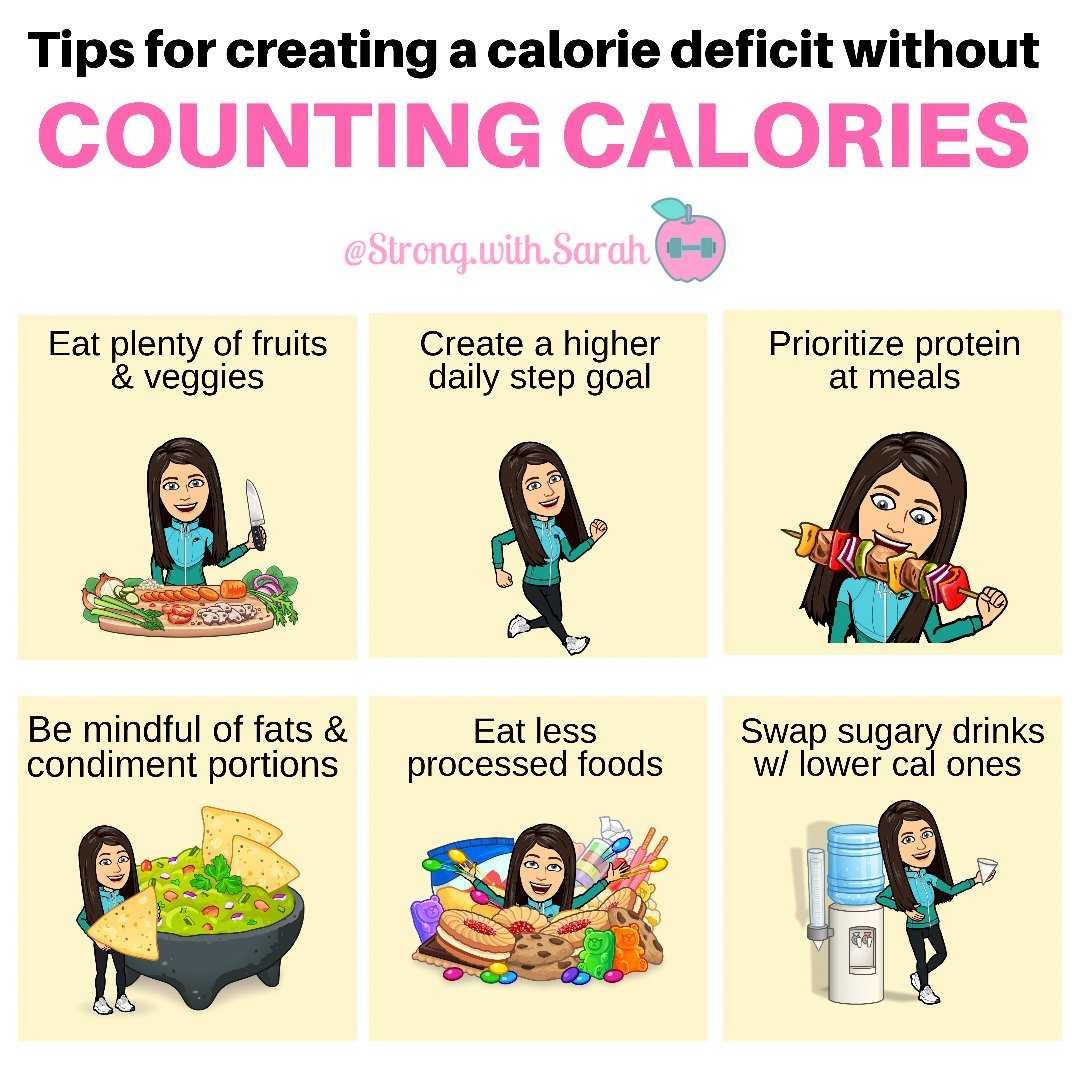
To create a calorie deficit for weight loss, focus on eating fewer calories than you burn through a combination of diet and exercise. Incorporating more physical activity and making smarter food choices are key to shedding pounds effectively.
A calorie deficit occurs when you consume less energy than your body needs to maintain its current weight. To achieve this, you can either reduce your calorie intake, increase your activity levels, or do both. Staying consistent and making sustainable habits is crucial for long-term success.
Losing weight by creating a calorie deficit might seem complex at first, but it’s quite straightforward once you understand the basics. Instead of drastic restrictions, small, manageable changes in your daily routine can lead to significant results over time. Starting with mindful eating and boosting your activity levels can set you on the right path toward reaching your weight loss goals.

How to Create a Calorie Deficit for Weight Loss
Understanding What a Calorie Deficit Is
A calorie deficit happens when you consume fewer calories than your body needs to maintain its current weight. Your body then uses stored fat for energy, leading to weight loss. Creating a calorie deficit is the most effective way to shed pounds in a healthy, controlled manner.
Why Calorie Deficit Is Essential for Weight Loss
Without a calorie deficit, weight loss cannot occur, regardless of how much you exercise. It is the foundation of any successful weight loss plan. Understanding this principle helps you make better choices about eating habits and physical activity.
Calculating Your Daily Calorie Needs
Knowing how many calories your body needs each day is the first step. Use online calculators that consider your age, weight, height, and activity level. This gives you your Total Daily Energy Expenditure (TDEE).
Steps to Calculate TDEE
- Find your Basal Metabolic Rate (BMR) using a formula like Harris-Benedict or Mifflin-St Jeor.
- Determine your activity level and multiply your BMR by an activity factor.
- The result is your TDEE—your daily calorie maintenance level.
Setting a Realistic Calorie Deficit
A safe and sustainable calorie deficit typically ranges from 500 to 1000 calories per day, leading to a weight loss of about 1 to 2 pounds per week. Setting too high a deficit can cause health issues and make it harder to stick with your plan.
Choosing Your Daily Calorie Reduction
- If wanting a gradual weight loss, aim for 500 calories less than your TDEE.
- For faster results, a 750 to 1000 calorie deficit can be considered, but avoid exceeding this as it may cause nutritional deficiencies.
Creating a Calorie Deficit Through Diet
Adjusting your eating habits plays a significant role in reaching your calorie deficit. Focus on both reducing calorie intake and improving food choices.
Measuring Food Intake
Use food diaries, apps, or nutrition labels to track your daily calorie intake accurately. Consistency is key to maintaining a steady deficit.
Choosing Lower-Calorie Foods
Select foods that are nutrient-dense but lower in calories. Fresh fruits, vegetables, lean meats, and whole grains are excellent options.
Portion Control Strategies
- Use smaller plates and bowls to naturally limit serving sizes.
- Read nutrition labels carefully to understand portion sizes.
- Practice mindful eating by savoring each bite and avoiding distractions.
Incorporating Physical Activity
Exercise helps create a calorie deficit by burning additional calories. Combining diet and activity leads to faster and more sustainable weight loss.
Types of Exercise That Help Burn Calories
- Cardio exercises like walking, jogging, cycling, or swimming.
- Strength training with weights to build muscle, which increases resting metabolic rate.
- High-Intensity Interval Training (HIIT) for maximum calorie burn in less time.
How Much Exercise Is Needed?
Aim for at least 150 minutes of moderate-intensity exercise weekly or 75 minutes of vigorous activity. Increasing activity levels can further enhance the calorie deficit.
Tracking Progress and Making Adjustments
Monitoring your weight and calorie intake helps ensure you’re on track. Use scales, measurements, or progress photos for a comprehensive view of your journey.
Signs It’s Working
Noticeable weight loss, decreased waist size, or better energy levels are positive signs. Adjust your calorie intake or activity if progress stalls.
Adjusting Your Plan
If weight loss slows down, consider slightly increasing physical activity or reducing caloric intake further. Be patient and consistent for the best results.
Additional Tips for Creating and Maintaining a Calorie Deficit
Maintain good hydration, get enough sleep, and manage stress effectively. These factors influence hunger hormones and overall metabolic health, making it easier to stick to your plan.
Healthy Snacking Options
Choose snacks that are low in calories but high in nutrients, such as nuts, Greek yogurt, or raw vegetables. Avoid sugary or processed snacks that add unnecessary calories.
Meal Planning and Preparation
Planning your meals ahead of time prevents impulsive eating. Prepare healthy recipes in advance to stay within your calorie goals.
Stay Motivated and Consistent
Set small, achievable goals and celebrate progress. A consistent routine, even on challenging days, is key to long-term success.
Summary
Creating a calorie deficit involves calculating your needs, eating fewer calories, and increasing physical activity. By choosing nutritious foods, tracking intake, and staying active, you can effectively lose weight. Remember that patience and persistence are essential for lasting results. Focus on making sustainable changes rather than quick fixes to reach your weight loss goals safely and effectively.
How To Create A Calorie Deficit | Fat Loss Explained
Frequently Asked Questions
What are effective ways to reduce calorie intake without feeling deprived?
To lower calorie intake without feeling hungry, focus on eating nutrient-dense foods such as vegetables, fruits, lean proteins, and whole grains. Incorporate smaller, more frequent meals to maintain energy levels and reduce cravings. Drinking plenty of water can also help you feel full, preventing overeating. Additionally, limit high-sugar and high-fat snacks, opting for healthier alternatives instead.
How can increasing physical activity contribute to a calorie deficit?
Adding regular exercise helps burn more calories, creating a larger gap between calories consumed and calories burned. Incorporate activities like walking, cycling, or strength training into your routine to boost your overall energy expenditure. Consistent physical activity not only supports weight loss but also improves your metabolism, making it easier to maintain a calorie deficit over time.
What role does portion control play in establishing a calorie deficit?
Managing portion sizes ensures you don’t consume more calories than necessary. Use smaller plates and bowls to naturally reduce serving sizes and avoid second helpings. Paying attention to hunger cues helps prevent eating out of habit or boredom. By controlling portions, you can enjoy your favorite foods while keeping your calorie intake aligned with your weight loss goals.
Why is tracking food intake helpful when creating a calorie deficit?
Keeping a food diary or using apps to log what you eat provides awareness of your daily calorie consumption. This practice helps identify high-calorie foods that can be reduced or replaced. Monitoring your intake encourages accountability and helps you stay on track with your calorie goals, making it easier to achieve consistent weight loss progress.
How can setting realistic goals assist in maintaining a calorie deficit?
Establishing achievable, specific targets prevents frustration and promotes steady progress. Break down your overall weight loss goal into smaller, manageable steps, focusing on consistent habits rather than rapid results. Celebrating small successes encourages perseverance and helps you stay motivated to keep creating a calorie deficit over the long term.
Final Thoughts
Creating a calorie deficit for weight loss involves balancing your intake with your activity level. Start by tracking your daily calories and reducing them gradually. Incorporate more physical activity to burn additional calories. Staying consistent and mindful of your habits helps achieve sustainable results efficiently.
As an Amazon Associate, We earn from qualifying purchases. When you purchase a product through Amazon links on pulsefitguide.com, we may earn a small commission at no extra cost to you. This helps support the site and keep our content free.