

To control portion sizes without feeling hungry, focus on filling your plate with nutrient-dense foods, use smaller dishes, and eat slowly to give your body time to signal fullness. Drinking plenty of water and adding fiber-rich foods can also help keep hunger at bay while consuming less. These strategies make it easier to enjoy smaller portions without sacrificing satisfaction or energy levels.
Controlling portion sizes while staying full is all about choosing the right foods and practicing mindful eating. By paying attention to your body’s hunger signals and making strategic food choices, you can enjoy satisfying meals without overeating, even when using smaller servings.
If you’re looking to manage your portion sizes without feeling deprived or hungry, start by selecting foods high in fiber and protein, which promote fullness. Use smaller plates and bowls to naturally reduce portions, and eat slowly to allow your brain to recognize when you’re full. Incorporate plenty of water and vegetables to add volume to your meals without extra calories, making it easier to stay satisfied on less food. These simple habits can lead to lasting changes in how much you eat, helping you enjoy your favorite dishes in moderation without discomfort.

How to control portion sizes without feeling hungry
Understanding Hunger and Portion Sizes
Knowing how much food your body needs is essential to controlling portion sizes without feeling hungry. Hunger signals vary from person to person, and eating too much or too little can impact your health. Eating balanced portions helps you stay energized and satisfied throughout the day. Recognizing true hunger versus emotional eating is also important for portion control.
Importance of Eating Nutrient-Dense Foods
Nutrient-dense foods provide plenty of vitamins, minerals, and fiber without excess calories. These foods help you feel full longer, reducing the urge to overeat. Incorporate fruits, vegetables, lean proteins, and whole grains into your meals. This way, you enjoy larger portions that nourish your body without the risk of feeling hungry prematurely.
Strategies for Managing Portion Sizes
Use Smaller Plates and Bowls
Using smaller dishes tricks your brain into feeling satisfied with less food. A smaller plate appears fuller, which can reduce the tendency to serve yourself extra. This simple change can cut down portion sizes naturally.
Practice Mindful Eating
Slow down and pay attention to what you’re eating. Chew thoroughly and savor each bite. Mindful eating allows your brain to recognize fullness signals and reduces overeating. Focus on taste, texture, and aroma to enhance satisfaction.
Pre-Portion Your Meals
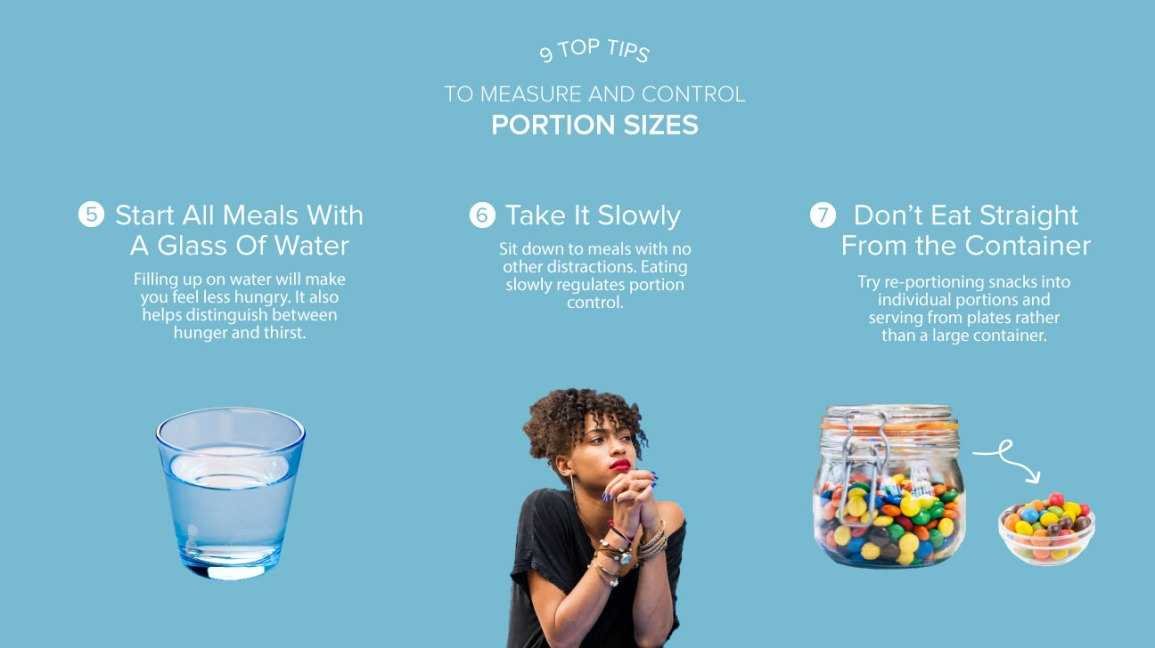
Divide large packages into individual servings before eating. This prevents second servings and helps you stay within your planned portion sizes. Use measuring cups or scales to learn what actual portion sizes look like.
Tactical Meal Planning and Preparation
Plan Your Meals Ahead of Time
Planning meals ensures you stick to appropriate portion sizes and avoid impulsive overeating. Prepare balanced meals with controlled portions of each food group. It reduces the temptation to grab extra food when hungry.
Batch Cooking and Storage
Cook large batches and divide them into single-serving containers. This method makes it easy to grab a nutritious, pre-portioned meal whenever needed. It also prevents accidental overeating from mindless snacking.
Utilizing Food Labels and Serving Sizes
Reading food labels helps determine true serving sizes, avoiding hidden calories from larger-than-expected portions. Pay attention to serving size information on packages. Use this data to control how much you eat.
The Role of Hydration
Sometimes, feelings of hunger are actually dehydration signals. Drink plenty of water throughout the day, especially before meals. Well-hydrated bodies are less likely to mistake thirst for hunger, helping you avoid unnecessary portions.
Incorporating Protein and Fiber for Satiety
Foods high in protein and fiber keep you feeling full longer. Add lean meats, beans, nuts, seeds, and vegetables to your diet to enhance satiety. These nutrients slow digestion and reduce the desire to eat more.
Smart Snacking Techniques
Choose healthy snacks that are rich in fiber and protein. Pre-portion snacks into small containers or bags. This prevents mindless eating from large, unmeasured servings and controls overall calorie intake.
Adjusting Your Eating Environment
Create a meal setting free from distractions like TV or smartphones. Eating mindlessly encourages larger portions. Sit at a table, focus on your food, and listen to your body’s hunger cues.
Understanding Emotional Eating and Portion Control
Many people eat out of boredom or stress rather than hunger. Recognize emotional triggers and find alternative activities like walking or journaling. Managing emotions prevents unnecessary snacking and portion overindulgence.
Gradually Reducing Portion Sizes
Suddenly cutting portions can feel restrictive and lead to hunger. Instead, reduce serving sizes gradually over time. Your stomach adjusts, and hunger feels more manageable while still enjoying satisfying meals.
The Power of Consistency and Routine
Eating at regular times helps regulate hunger signals. Stick to consistent meal schedules to prevent excessive hunger that leads to overeating. Consistency supports better portion control.
Monitoring and Adjusting Based on Results
Keep track of your eating habits and how you feel after meals. Use a journal or app to identify patterns and make adjustments as needed. Regular evaluation helps you find the right balance between filling and moderation.
Incorporating Physical Activity
Regular exercise boosts metabolism and helps manage weight. Physical activity can also reduce appetite, making it easier to stick to controlled portions. Pairing diet strategies with exercise enhances overall health.
Tips for Eating Out Mindfully
Order smaller portions or share meals when dining out. Avoid all-you-can-eat buffets that promote overeating. Focus on choosing nutritious options that satisfy your hunger without excess.
Controlling portion sizes without feeling hungry involves a combination of strategies. Focus on nutrient-rich foods, practice mindful eating, and prepare your meals ahead of time. Small changes, like using smaller dishes and staying hydrated, can make a big impact. Remember that patience and consistency are key to establishing healthy portion habits. By listening to your body’s cues and planning meals carefully, you can enjoy satisfying meals while maintaining a healthy weight.
How To Manage Hunger While In A Calorie Deficit | Nutritionist Explains… | Myprotein
Frequently Asked Questions
What strategies can I use to feel full while eating smaller portions?
Focus on eating foods high in fiber and protein, as they help you stay fuller longer. Incorporate vegetables, lean meats, and whole grains into your meals. Eating slowly also allows your brain to recognize fullness signals, reducing the urge to eat more than needed.
How can I manage my cravings without overeating during meals?
Plan your snacks and meals ahead of time to avoid impulsive eating. Drinking plenty of water before meals can help reduce hunger. Including healthy fats in your diet can also keep you satisfied and prevent cravings from taking over.
Are there specific food habits that help control portion sizes effectively?
Using smaller plates and bowls can naturally limit portion sizes, making your servings appear larger. Eating without distractions, like screens, helps you pay attention to your body’s hunger cues. Also, serve yourself moderately and wait a few minutes before deciding if you want more.
How important is meal timing in managing portion sizes and hunger levels?
Eating regular, balanced meals prevents excessive hunger that leads to overeating. Spacing meals evenly throughout the day maintains steady blood sugar levels, reducing the likelihood of large, unplanned portions during mealtimes.
What role do hydration and beverages play in controlling appetite?
Staying well-hydrated helps suppress hunger signals and reduces the desire to eat when you’re not truly hungry. Opt for water or herbal teas rather than sugary drinks, which can add unnecessary calories and stimulate appetite.
Final Thoughts
Controlling portion sizes without feeling hungry is achievable through mindful eating and choosing nutrient-dense foods. Use smaller plates and take your time to eat, which helps the brain recognize fullness more effectively. Incorporate high-fiber and high-protein foods to increase satiety while consuming less.
Pay attention to hunger cues and avoid eating out of boredom. Drinking water before meals can also help reduce the amount of food you need. Remember, how to control portion sizes without feeling hungry is about making smarter choices and listening to your body.
As an Amazon Associate, We earn from qualifying purchases. When you purchase a product through Amazon links on pulsefitguide.com, we may earn a small commission at no extra cost to you. This helps support the site and keep our content free.