

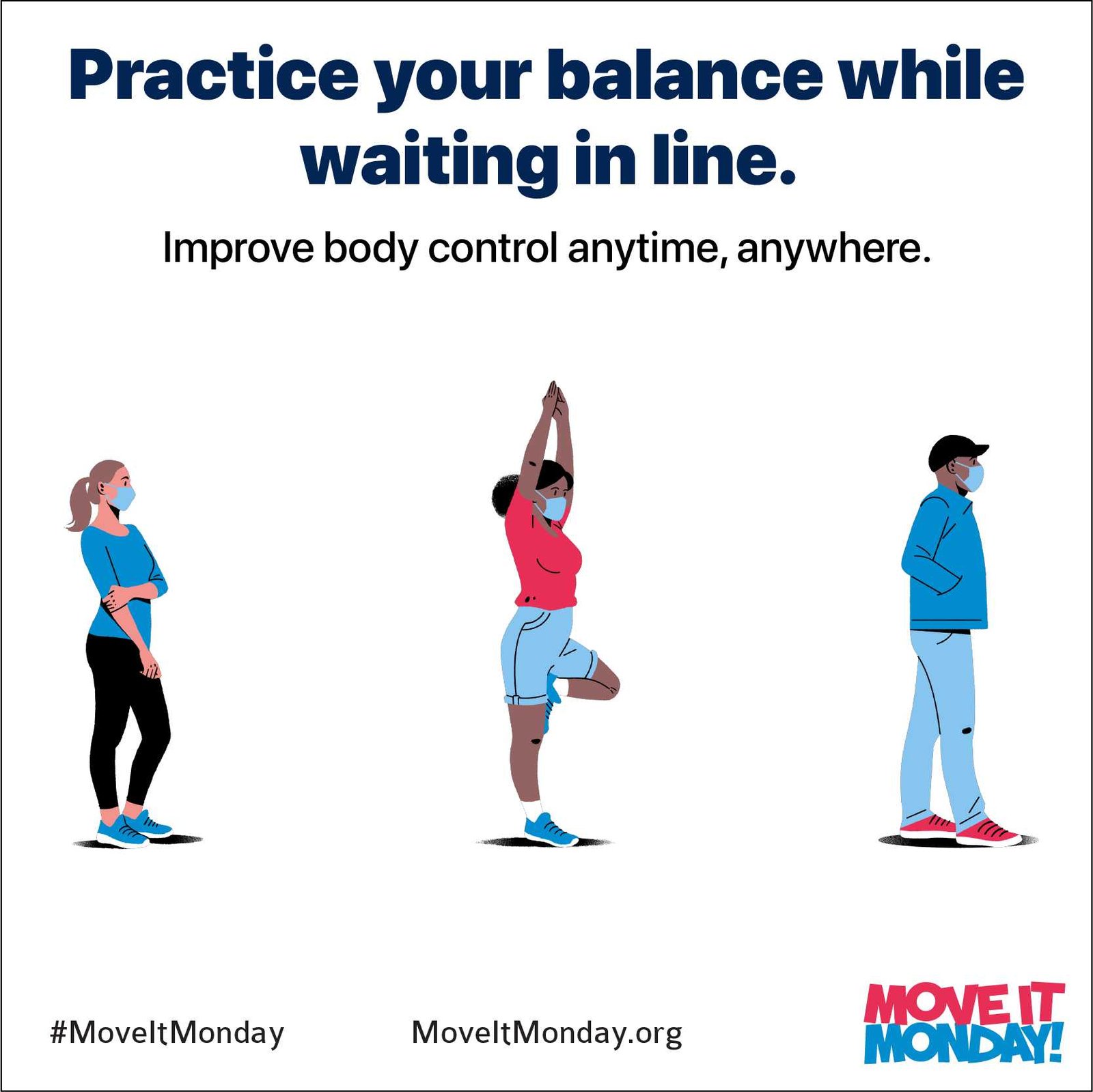
To control your body balance effectively, focus on strengthening your core, practicing balance exercises regularly, and maintaining good posture. Incorporate activities like yoga, tai chi, or simple balance drills into your routine to enhance stability. Paying attention to your body’s positioning and engaging your core muscles are key to staying balanced in everyday life.
Maintaining good body balance is essential for preventing falls and improving overall mobility. The secret lies in building a strong core and practicing consistency with targeted exercises. Small daily habits can significantly boost your stability and confidence as you move through your day.
Good balance is crucial not just for athletes but for everyone wanting to stay active and independent. In this quick guide, we’ll explore simple and effective ways to improve your balance, helping you feel more secure and agile in your daily activities. Whether recovering from an injury or just aiming to stay sharp, mastering balance can transform your overall well-being.

How to Control Body Balance: A Complete Guide
Maintaining good body balance is essential for everyday activities and overall health. It helps you stand, walk, and move smoothly without falling or stumbling. Understanding how to control body balance can improve your posture, prevent injuries, and boost your confidence. In this section, we’ll explore the core concepts of balance and how your body works to keep you steady.
Understanding the Science Behind Body Balance
Your body balance relies on a complex system of sensors and muscles working together. The main systems involved include the visual system, the vestibular system, and proprioception. The visual system helps you see your environment clearly. The vestibular system, located in your inner ear, detects changes in head position and movement. Proprioception is your body’s sense of where its parts are in space, provided by sensors in muscles and joints.
These systems send signals to your brain, which processes the information and coordinates muscle actions. When all systems work well, you stay balanced naturally. Disruptions in any of these systems can cause instability or dizziness, making balance control difficult.
Key Factors That Affect Your Balance
Several factors can influence how well you control your body balance. Age is a significant factor, as older adults often experience decreased balance due to muscle weakening and sensory decline. Health conditions like inner ear infections or neurological disorders can also impair balance. Lifestyle choices, such as lack of physical activity or poor nutrition, may weaken the muscles needed for stability.
Environmental conditions, like uneven surfaces or poor lighting, can challenge your balance further. Recognizing these factors helps you take steps to improve and maintain your balance over time.
Practical Exercises to Improve Your Balance
Regular exercises are crucial for enhancing your body balance. These activities strengthen muscles, increase coordination, and boost confidence in movement. Here are some effective exercises you can try:
- Heel-to-Toe Walk: Walk in a straight line, placing one foot directly in front of the other. Focus on keeping your balance as you move slowly.
- Single-Leg Stand: Stand on one leg for 10 to 30 seconds, then switch sides. Use a chair or wall for support if needed.
- Balance Board Exercises: Use a balance board or wobble cushion to challenge your stability. Begin with short sessions and increase duration gradually.
- Tai Chi: Practice this gentle martial art, which emphasizes slow, controlled movements and improves proprioception.
- Yoga Poses: Poses like Tree Pose and Warrior Pose enhance core strength and stability.
Consistency is key; performing these exercises 3 to 4 times weekly can yield noticeable improvements in your balance over time.
The Role of Core Strength in Balance Control
Your core muscles, including the abdomen, back, and pelvis, provide a foundation for stability and movement. Without a strong core, maintaining balance becomes difficult, especially during sudden movements or on uneven terrain. Strengthening these muscles can significantly improve your ability to stay upright.
Effective core exercises include planks, bridges, and abdominal crunches. Incorporating these into your routine helps stabilize your spine and pelvis, making your overall balance better.
Importance of Proper Footwear and Posture
Wearing supportive shoes can make a noticeable difference in your balance, especially on slippery or uneven surfaces. Shoes with good grip and proper fit provide better traction and reduce the risk of slipping.
Maintaining good posture also influences balance. Keep your shoulders back, chest slightly forward, and knees slightly bent when standing. This alignment distributes your weight evenly and activates your stabilizing muscles.
Diet and Hydration’s Effect on Balance
A healthy diet rich in vitamins and minerals supports nerve function and muscle strength. For example, calcium and vitamin D are crucial for bone health, which indirectly affects balance. Adequate hydration prevents dizziness and maintains muscle performance.
Consuming a balanced diet with fruits, vegetables, lean proteins, and whole grains helps your body stay strong and responsive, contributing to better balance control.
Managing Inner Ear and Vision Conditions
The inner ear’s vestibular system plays a pivotal role in balance. Conditions like vertigo or labyrinthitis disrupt this system, causing dizziness and imbalance. Consulting a healthcare provider can help diagnose and treat these issues effectively.
Similarly, good vision supports balance. Regular eye check-ups and wearing corrective lenses as needed ensure your visual input remains accurate, aiding in posture and movement stability.
Using Assistive Devices When Needed
If balance issues persist or are severe, assistive devices can help. Canes, walkers, or handrails provide added support during walking or standing. Proper fitting and correct usage of these tools ensure safety and independence.
Always consult a healthcare professional before choosing or using assistive devices to ensure they fit your specific needs.
Lifestyle Tips to Sustain Long-Term Balance
Adopting a healthy lifestyle supports ongoing balance control. Regular physical activity, stretching, and strength training keep muscles active. Avoiding alcohol and drugs that impair coordination is also advisable.
Getting enough sleep and managing stress can improve your focus and body awareness. Staying attentive to your body’s signals helps prevent falls and maintain stability during daily activities.
Related Topics for Better Balance
Beyond exercises, consider other approaches like physical therapy or balance training classes. Learning proper techniques under guidance can accelerate progress.
Furthermore, managing chronic health conditions such as diabetes or neurological disorders plays a role in preserving balance. Regular medical checkups and adherence to treatment plans are vital.
In summary, controlling body balance involves understanding your body’s systems, engaging in consistent exercises, maintaining proper posture and footwear, and living a healthy lifestyle. By prioritizing these areas, you can improve your stability, reduce fall risk, and enjoy a more active life with confidence.
How To Improve Your Balance – Home Exercises For Balance And Stability
Frequently Asked Questions
What are effective exercises to improve body balance?
Practicing balance-focused exercises such as single-leg stands, yoga poses like tree pose, and balance board workouts can significantly enhance your stability. Incorporate these into your routine regularly to strengthen your core muscles and improve coordination, which are crucial for maintaining good body balance.
How can proper posture contribute to better body stability?
Maintaining correct posture helps distribute your body weight evenly, reducing strain on muscles and joints. When you stand or sit with a straight back, aligned shoulders, and an engaged core, your body naturally becomes more stable. Consistently practicing good posture helps prevent falls and enhances overall balance.
What lifestyle habits support improved control over body balance?
Getting enough sleep, staying hydrated, and eating a balanced diet provide your muscles and nervous system with essential nutrients and energy. Additionally, engaging in regular physical activity and avoiding prolonged periods of inactivity strengthen muscles and improve proprioception, leading to better control over your body’s balance.
How does focus and mental awareness impact body stability?
Being mindful of your movements and paying attention to your body’s position can enhance your balance. Practices like mindful walking or balance exercises that require concentration help improve your proprioceptive awareness and coordination, making it easier to maintain stability during everyday activities.
What should I consider when choosing footwear to support balance?
Wearing shoes with a good grip, proper support, and a stable sole can help maintain your balance. Avoid overly slippery or high-heeled shoes that could compromise your stability. Well-fitted footwear ensures your feet are secure, aiding in better control over your body movements.
Final Thoughts
Controlling body balance requires consistent practice and awareness. Focus on strengthening core muscles and maintaining proper posture during daily activities. Incorporate balance exercises like standing on one leg or using stability tools to enhance stability.
By regularly practicing these techniques, you can improve coordination and prevent falls. Remember, how to control body balance is a skill that benefits overall health and confidence. Stay committed and attentive to your body’s signals to achieve better balance every day.
As an Amazon Associate, We earn from qualifying purchases. When you purchase a product through Amazon links on pulsefitguide.com, we may earn a small commission at no extra cost to you. This helps support the site and keep our content free.