

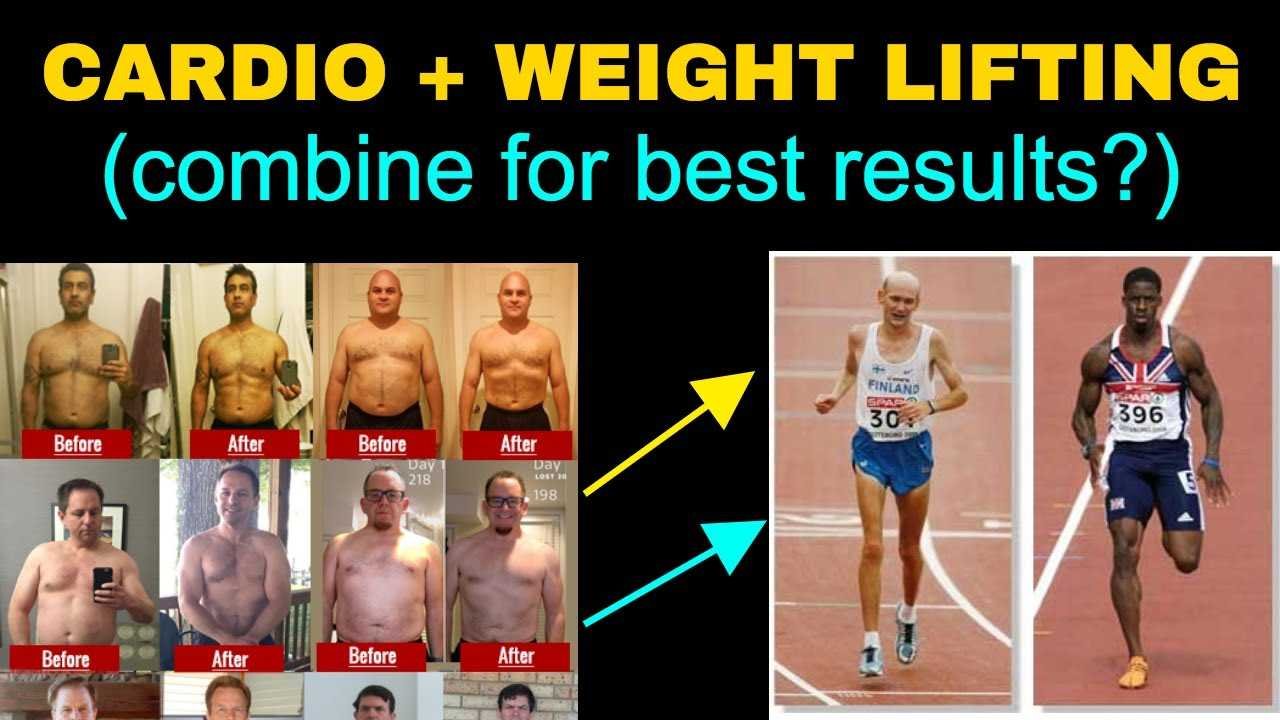
Start by scheduling your workouts carefully, alternating between weight training and cardio to maximize fat loss without overtraining. Incorporate high-intensity interval training (HIIT) to blend cardio and strength efficiently, boosting calorie burn and muscle growth simultaneously. Don’t forget to prioritize nutrition and recovery to see the best results.
To effectively combine weight training and cardio for fat loss, focus on balancing your workout days, integrating both types of exercise into your weekly routine. Use techniques like circuit training or HIIT to combine both elements in shorter, more effective sessions. Ensuring proper nutrition and rest is key to sustaining progress while preventing burnout.
Achieving fat loss while combining weight training and cardio doesn’t need to be complicated. Many people wonder how to get the most out of both, without sacrificing progress or risking injury. The key is to create a balanced workout plan that alternates or integrates both cardio and strength, tailored to your fitness level and goals. By doing so, you’ll increase your calorie burn, build muscle, and accelerate fat loss—all while maintaining energy and motivation. Whether you prefer split routines, circuits, or a mix of both, the right strategy can help you see results faster and keep your workouts engaging and effective.

How to Combine Weight Training and Cardio for Fat Loss
Understanding the Benefits of Combining Weight Training and Cardio
Combining weight training and cardio offers a balanced approach to fat loss. Weight training helps build muscle, which boosts your metabolism even when you’re resting. Cardio increases the number of calories burned during your workout, supporting overall calorie deficit. Together, these methods accelerate fat loss while maintaining muscle mass.
Why Not Just Cardio or Weight Training?
Focusing solely on cardio can lead to muscle loss and slower metabolism. On the other hand, only lifting weights might not burn enough calories during workouts. Combining both methods creates a comprehensive plan that maximizes fat burning and preserves lean muscle.
Designing a Fat Loss Workout Program
Creating an effective plan requires balancing both training types. Aim for at least three sessions of weight training and two sessions of cardio weekly. Adjust the intensity and duration based on your fitness level and goals for optimal results.
Timing Your Workouts for Maximum Effectiveness
You can perform cardio before or after weight training depending on your goals. Doing weight training first ensures you lift with full energy, preserving strength and form. Alternatively, cardio first can serve as a warm-up, increasing blood flow and warming muscles before lifting.
Sequential Training
Perform weight training and cardio on different days to prevent fatigue and allow full focus on each workout. This method helps maximize energy expenditure and muscle recovery.
Combined Sessions
You can also combine both in one session by doing a short cardio warm-up followed by weight training. Finish with a cool-down cardio session to increase fat-burning post-workout.
Balancing Intensity and Duration
Keep your workouts effective without overtraining by balancing intensity and duration. Moderate to high-intensity cardio for 20 to 40 minutes is ideal. For weight training, aim for 3 to 4 sets of 8 to 12 repetitions per exercise.
High-Intensity Interval Training (HIIT)
Incorporating HIIT sessions can boost fat loss. These involve short bursts of intense activity followed by rest periods. For example, sprinting for 30 seconds then walking for 1 minute, repeated for 15-20 minutes.
Steady-State Cardio
Longer, lower-intensity cardio sessions like brisk walking or cycling help burn calories steadily. Combine this with weight training for a balanced routine.
Structuring Weekly Workouts
Design a weekly schedule that alternates between weight training, cardio, and rest days. For example:
- Monday: Weight training
- Tuesday: Cardio (HIIT)
- Wednesday: Rest or light activity
- Thursday: Weight training
- Friday: Steady-state cardio
- Saturday: Active recovery or yoga
- Sunday: Rest
Nutrition Supporting Your Fat Loss Goals
Diet plays a crucial role in fat loss. Focus on a calorie deficit by eating smaller portions and reducing high-calorie processed foods. Prioritize lean proteins, complex carbohydrates, healthy fats, and plenty of vegetables. Proper nutrition enhances workout performance and recovery.
Monitoring Progress Effectively
Track your workouts, body measurements, and weight regularly to see what is working. Use a journal or fitness app to log exercises, weights, and cardio intensity. Monitoring helps adjust your plan for continuous progress.
Additional Tips for Success
- Stay consistent and patient. Fat loss takes time.
- Gradually increase workout intensity and volume to avoid plateauing.
- Ensure adequate rest and recovery to prevent injuries and promote muscle repair.
- Stay hydrated and get enough sleep to optimize energy levels and fat burning.
Related Topics to Explore
Interval Training for Fat Loss
High-Intensity Interval Training remains one of the most efficient ways to burn calories in less time. Combining short bursts of intense effort with recovery periods stimulates fat burning hormones.
Strength Training for Lean Muscle Growth
Building lean muscle through weight training not only improves shape but also increases resting metabolic rate, contributing to faster fat loss.
Cardio Variations to Keep Your Routine Fresh
Mix activities like swimming, cycling, jogging, or rowing to challenge your body and prevent boredom, encouraging sustained effort.
Incorporating Active Recovery Days
Light activities such as walking, yoga, or stretching help your muscles recover while keeping your metabolism active.
Blending weight training with cardio creates an effective fat loss strategy that promotes muscle preservation and calorie expenditure. By customizing your workout schedule and paying attention to diet and recovery, you set yourself up for steady, sustainable progress. Remember, consistency and patience are the keys to success in any fitness journey.
Frequently Asked Questions
How can I schedule my workouts to effectively combine weight training and cardio?
To maximize fat loss, plan your workouts by alternating between weight training and cardio sessions throughout the week. For example, perform weight training on three non-consecutive days and incorporate cardio on the remaining days. You can also do shorter cardio sessions after weight training or on rest days to keep your energy levels balanced and avoid overtraining. Consistently maintaining this schedule helps your body adapt and prevents plateaus in your fat loss goals.
Should I do cardio before or after weight lifting to enhance fat burning?
Doing cardio after weight training tends to be more effective for fat loss because weight lifting depletes glycogen stores, allowing your body to burn more fat during cardio. Starting with cardio can exhaust your muscles early, reducing the intensity of your strength workout. However, if your primary goal is endurance or cardiovascular health, performing cardio beforehand may suit your needs better. Adjust the timing based on your specific goals and energy levels.
How can I balance the intensity of both workouts to prevent fatigue?
Balance the intensity by keeping weight training sessions moderate to high intensity with adequate rest periods, while incorporating lighter cardio or active recovery days. For example, on days with weight training, limit cardio to low- to moderate-intensity activities like walking or cycling. Listen to your body and avoid pushing too hard on consecutive days. Proper nutrition and sleep also support recovery, ensuring your workouts remain effective without leading to burnout.
What nutritional strategies should I follow when combining weight training and cardio for fat loss?
Focus on a balanced diet rich in lean proteins, complex carbohydrates, and healthy fats to support energy needs and muscle recovery. Consuming protein after workouts helps repair muscles, while carbohydrates replenish glycogen stores for upcoming sessions. Stay hydrated and consider timing your meals around workouts to maintain energy levels. Proper nutrition complements your exercise routine and accelerates fat loss results.
How can I avoid overtraining while combining these workouts?
To prevent overtraining, listen to your body’s signals and incorporate rest days into your routine. Vary workout intensity and duration, and avoid doing intense cardio and heavy weight training on consecutive days. Prioritize sleep and maintain proper nutrition to facilitate recovery. If you notice persistent fatigue, soreness, or decreased performance, reduce workout intensity or frequency to allow your body adequate time to recuperate.
Final Thoughts
Combining weight training and cardio for fat loss offers a balanced approach to achieving your goals. Incorporate strength sessions three times a week to build muscle and boost metabolism. Add cardio workouts like running or cycling on alternate days to burn calories effectively.
Varying your routines keeps your body challenged and prevents plateaus. Focus on intensity and consistency to maximize fat loss. Remember, understanding how to combine weight training and cardio for fat loss ensures optimal results.
As an Amazon Associate, We earn from qualifying purchases. When you purchase a product through Amazon links on pulsefitguide.com, we may earn a small commission at no extra cost to you. This helps support the site and keep our content free.