

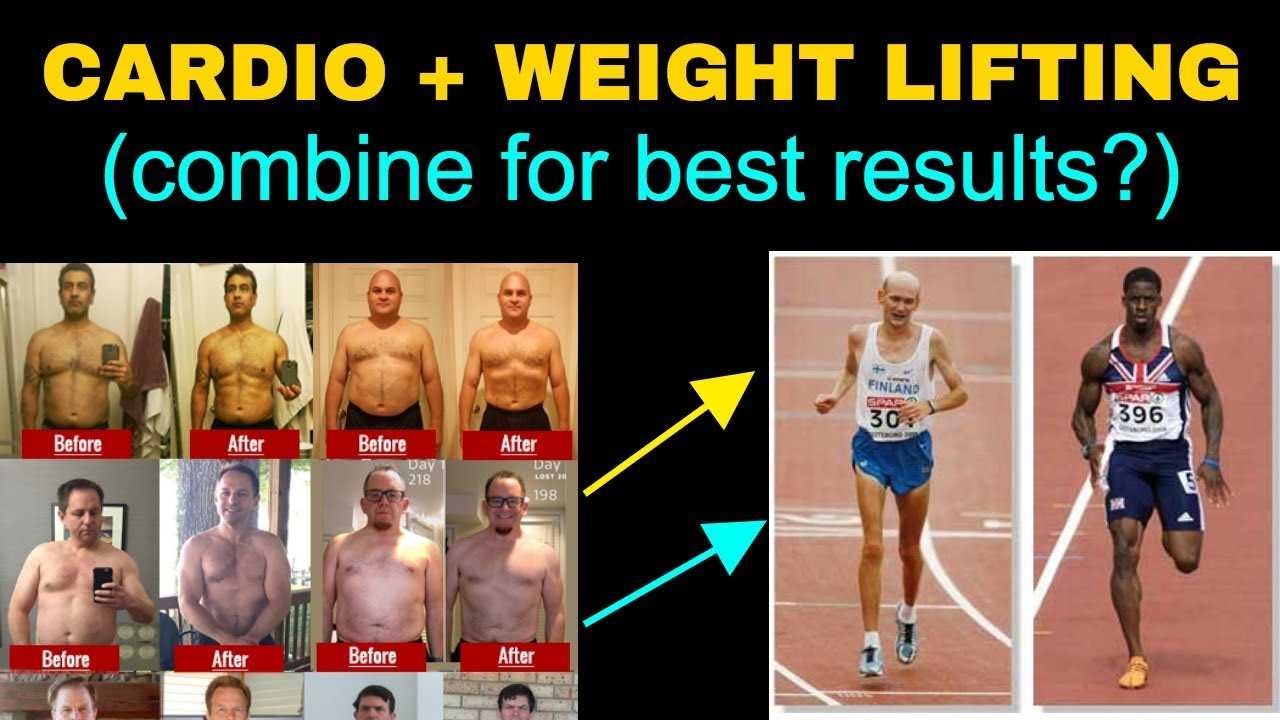
To maximize fitness results after 50, blend strength training with cardio in your routine—it’s the secret to staying healthy, energetic, and strong. Focused workouts that incorporate both elements can help you preserve muscle, boost heart health, and improve overall vitality.
Combining strength and cardio exercises is highly effective for those over 50 because it addresses age-related muscle loss while maintaining cardiovascular health. A balanced approach, alternating or integrating both types of workouts, ensures you get the benefits of increased stamina, muscle preservation, and better weight management. Keep it enjoyable, manageable, and consistent for sustainable results.
As we age, staying active becomes more essential than ever, but figuring out the right balance can seem overwhelming. The good news is that a strategic combination of strength and cardio can transform your fitness journey, making it more effective and enjoyable. Whether you’re new to exercise or returning after a break, knowing how to integrate these two components will help you achieve better health outcomes, prevent injuries, and feel more vibrant every day.

How to combine strength and cardio for better results after 50
Understanding the importance of both strength and cardio
As we age, maintaining a balance between strength training and cardiovascular exercise becomes increasingly important. Strength training helps keep muscles strong, supports bone health, and prevents falls. Cardio workouts improve heart health, increase stamina, and boost overall energy levels.
Combining both forms of exercise creates a comprehensive fitness routine that addresses multiple health needs. It also helps prevent injuries by promoting flexibility and joint health. For adults over 50, this balanced approach is key to staying active and independent.
Benefits of strength training after 50
Strength training slows down muscle loss, which naturally occurs with age. It supports maintaining a healthy metabolism and helps control weight. Additionally, it enhances bone density, reducing the risk of osteoporosis and fractures.
Stronger muscles improve daily movements like lifting, climbing stairs, and bending. This reduces the chances of falls and injuries. Regular strength workouts also improve posture and reduce back pain, making everyday activities easier.
Advantages of cardio exercises for those over 50
Cardio workouts strengthen the heart and lungs, lowering the risk of cardiovascular diseases. They boost circulation, which helps deliver oxygen and nutrients to tissues. Cardio also burns calories, which helps maintain a healthy weight.
Engaging in regular cardio increases stamina and reduces feelings of fatigue. It also releases mood-boosting chemicals that improve mental health. For older adults, cardio activities contribute to better sleep and enhanced overall well-being.
Creating a balanced workout plan
Structuring weekly routines
Aim for at least 150 minutes of moderate-intensity cardio each week, such as brisk walking or swimming. Include strength training sessions on two or more days, focusing on all major muscle groups. Balance is essential to avoid overtraining or injury.
Distribute workouts throughout the week, alternating between cardio and strength days. Rest days are also important to give muscles time to recover. Consider a mix of different exercises to keep routines engaging and comprehensive.
Sample weekly workout schedule
| Day | Workout |
|---|---|
| Monday | 30 minutes brisk walking + 20 minutes strength training (upper body) |
| Tuesday | Rest or gentle stretching |
| Wednesday | 30 minutes cycling + 20 minutes strength training (lower body) |
| Thursday | Light yoga or stretching |
| Friday | 20 minutes swimming + 20 minutes strength training (full body) |
| Saturday | Outdoor activity or recreational sports |
| Sunday | Rest or gentle walking |
Best exercises to combine strength and cardio effectively
Incorporating circuit training
Circuit training involves performing a sequence of strength and cardio exercises with minimal rest. This method boosts heart rate while building muscle. For example, combine squats, push-ups, and jumping jacks into one circuit.
Circuits can be tailored to individual fitness levels, making them ideal for beginners and experienced exercisers alike. They also keep workouts brief, intense, and engaging.
Sample circuit training exercises
- Jumping jacks — 1 minute
- Bodyweight squats — 15 repetitions
- Push-ups or wall push-ups — 10 repetitions
- High knees — 1 minute
- Bird-dogs — 15 repetitions per side
Repeat this circuit 2 to 3 times, resting briefly between rounds. It offers a perfect blend of strength and cardio in one session.
Adapting exercises for different fitness levels
Modifications for beginners
Start with low-impact exercises like seated strength training or walking instead of running. Use resistance bands for added support and modify reps based on comfort.
Gradually increase intensity and duration as stamina improves. Always listen to your body to prevent overexertion and injury.
Progressing for experienced exercisers
As strength and endurance improve, increase weights, repetitions, or exercise duration. Incorporate more complex movements, such as lunges or kettlebell swings, for added challenge. High-intensity interval training (HIIT) can also be effective for those seeking more intensity.
Important safety tips for exercise after 50
- Always warm up before workouts and cool down afterward to prevent injuries.
- Stay hydrated, especially during intense sessions or hot weather.
- Wear proper footwear to support joints and balance.
- Consult with a healthcare provider before starting new exercise routines, especially if you have chronic conditions.
- Focus on proper form and technique to reduce strain and injury risk.
Additional tips for maximizing results
- Combine exercise with a balanced diet rich in protein, calcium, and healthy fats to support muscle growth and bone health.
- Get enough sleep to allow muscles to recover and repair after workouts.
- Stay consistent — regular activity is key to seeing long-term benefits.
- Incorporate flexibility and balance exercises, such as yoga or tai chi, to enhance overall mobility and prevent falls.
Blending strength and cardio exercises after 50 creates a dynamic routine that supports physical health, mental well-being, and independence. By structuring workouts intelligently, adapting to fitness levels, and practicing safety, you can enjoy improved stamina, strength, and overall vitality. Making this balanced approach a regular part of your life ensures you stay active, healthy, and engaged at any age.
How To Do Cardio (Without Losing Muscle)
Frequently Asked Questions
What are the best ways to balance strength training and cardiovascular exercises in a weekly routine?
To effectively combine strength and cardio workouts, allocate specific days for each activity. For example, dedicate two to three days to strength training focusing on different muscle groups, and include two to three days of cardio sessions such as brisk walking, cycling, or swimming. On remaining days, perform light activities or active recovery. Vary the intensity and duration to prevent fatigue and promote continuous progress. Listening to your body and adjusting the schedule ensures a balanced approach that supports overall health after 50.
How can I modify my workout plan to accommodate age-related limitations while combining strength and cardio?
Modify your exercises to reduce joint stress and improve safety. Incorporate low-impact cardio options like elliptical machines or water aerobics, and choose strength exercises that use lighter weights or resistance bands. Focus on proper technique and avoid overexertion. Include balance and flexibility routines, such as yoga or tai chi, to enhance stability. Consulting with a fitness professional can help tailor a plan that respects your individual limitations while still providing effective results.
What timing considerations should I keep in mind when doing both strength and cardio workouts in the same session?
Perform cardio exercises before strength training if your goal is to warm up and increase circulation. This approach energizes your muscles and prepares your body for resistance exercises. Alternatively, if your primary goal is building strength, start with strength training when your energy levels are highest, then do cardio afterward as a cool-down. Keep each session moderate in duration to prevent fatigue, and always include a proper warm-up and cool-down to support recovery and reduce injury risk.
Final Thoughts
Combining strength and cardio after 50 boosts overall health and maintains vitality. Incorporate weight training two to three times weekly to build muscle and improve bone density. Pair this with moderate cardio activities like brisk walking or cycling for 30 minutes most days.
Alternating between these workout types prevents plateaus and keeps exercise engaging. Adjust intensity based on your fitness level to avoid injury and promote steady progress.
How to combine strength and cardio for better results after 50 requires consistency and listening to your body. Prioritize a balanced routine to enjoy lasting benefits and enhanced well-being.
As an Amazon Associate, We earn from qualifying purchases. When you purchase a product through Amazon links on pulsefitguide.com, we may earn a small commission at no extra cost to you. This helps support the site and keep our content free.