

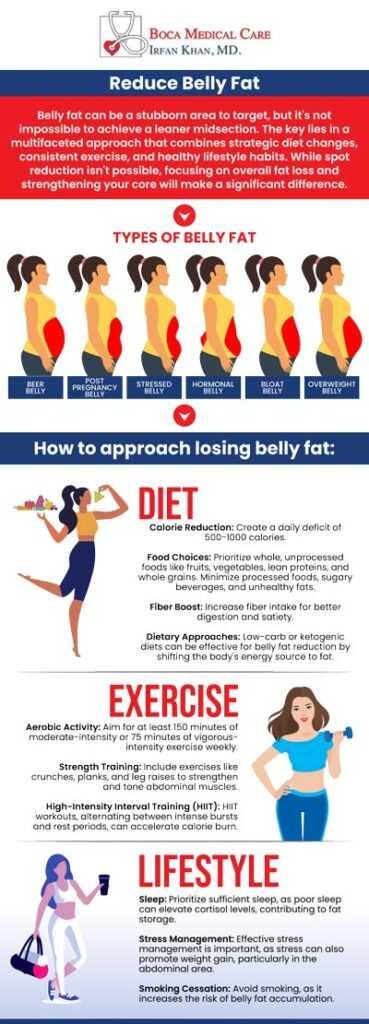
To effectively combine diet and exercise for lasting fat loss, focus on creating a balanced approach that integrates nutritious eating habits with regular physical activity. Prioritize sustainable changes over quick fixes, and find activities you enjoy to stay motivated.
A smart mix of a healthy, calorie-controlled diet and consistent, enjoyable workouts is key to long-term fat loss. By fueling your body properly and staying active, you can achieve sustainable results that improve your health and confidence over time.
Losing fat permanently isn’t about extreme dieting or intense workouts but about making consistent, manageable changes. Combining a mindful diet with regular exercise creates a synergy that optimizes fat loss, boosts energy, and helps you maintain your progress in the long run.

How to combine diet and exercise for long-term fat loss
Understanding the Balance Between Diet and Exercise
To achieve lasting fat loss, finding the right balance between what you eat and how you move is essential. Diet provides the fuel your body needs, while exercise helps burn calories and build muscle. Combining both strategies creates a sustainable path toward your goals.
Proper nutrition fuels your workouts and speeds up recovery. Exercise, in turn, boosts your metabolism and helps preserve muscle mass during weight loss. When these two work together, they ensure that your fat loss is effective and long-lasting.
The Role of Calorie Deficit in Fat Loss
Fat loss primarily depends on creating a calorie deficit, which means consuming fewer calories than your body uses. This deficit prompts your body to burn stored fat for energy.
You can achieve this by adjusting your diet and increasing physical activity. For example, eating smaller portions, choosing nutrient-dense foods, and adding regular exercise can help maintain a consistent calorie deficit over time, ensuring steady fat reduction.
Creating a Sustainable Eating Plan
A sustainable diet focuses on balanced nutrition rather than deprivation. Incorporate a variety of fruits, vegetables, whole grains, lean proteins, and healthy fats to provide essential nutrients.
Avoid extreme dieting or eliminating entire food groups, as this can lead to cravings and eventual overindulgence. Instead, aim for moderate calorie reductions and enjoy occasional treats to keep your motivation high.
Prioritizing Nutrient-Dense Foods
Nutrient-dense foods pack essential vitamins, minerals, and fiber without excessive calories. These foods help you feel full longer and support overall health.
Examples include leafy green vegetables, berries, nuts, seeds, lean meats, and whole grains. Filling your plate with these items ensures you meet your nutritional needs without overeating.
Meal Planning and Portion Control
Planning your meals ahead helps control calorie intake and prevents impulsive eating. Use smaller plates and measure portion sizes to avoid overeating during meals.
Opt for regular meal times to regulate hunger and avoid unnecessary snacking. Incorporating healthy snacks like fruits or nuts can also keep energy levels stable throughout the day.
Incorporating Effective Exercise Routines
Choosing the right exercise program is key to long-term fat loss. Combining cardio, strength training, and flexibility exercises creates a well-rounded routine.
Aim for at least 150 minutes of moderate-intensity cardio weekly, such as brisk walking or cycling. Add strength training exercises twice a week to build muscle, which boosts metabolism and promotes fat burning.
Cardiovascular Exercises for Fat Loss
Cardio exercises help burn calories quickly and improve cardiovascular health. Engage in activities you enjoy, like dancing, swimming, or running, to stay consistent.
High-intensity interval training (HIIT) alternates between intense bursts and rest periods, maximizing calorie burn in shorter sessions. Incorporate HIIT sessions two or three times weekly for effective fat loss.
Strength Training and Muscle Preservation
Strength training helps build and maintain muscle mass, which is vital for increasing resting metabolic rate. Use free weights, resistance bands, or bodyweight exercises like push-ups and squats.
Focus on compound movements such as deadlifts or lunges that work multiple muscle groups. Regular strength sessions boost fat burning and improve body composition over time.
The Importance of Consistency and Progress Tracking
Consistency plays a more significant role than intensity. Small, daily efforts add up and lead to long-term success. Keeping track of your progress helps you stay motivated and make necessary adjustments.
Use a journal or apps to record workouts, food intake, and weight changes. Celebrating small milestones encourages continued effort and keeps you aligned with your goals.
Building Healthy Habits for Long-Term Success
Forming lasting habits requires gradual changes and a supportive environment. Focus on setting realistic, achievable goals to prevent discouragement.
Involve family or friends for accountability. Celebrate non-scale victories like increased energy, better sleep, or improved fitness levels, reinforcing positive habits.
Adapting Your Routine Over Time
As your body adapts, so should your diet and exercise plan. Regularly review and tweak your routines to prevent plateaus and maintain progress.
Switch up your workouts to include new exercises or increase intensity. Similarly, adjust your calorie intake slightly as you lose weight to continue challenging your body.
Managing Challenges and Staying Motivated
Expect setbacks and plateaus; they are part of the journey. Keep your focus on long-term habits rather than quick fixes.
Stay motivated by setting specific, measurable goals. Reward yourself for milestones achieved and remind yourself of your reasons for pursuing fat loss.
Combining diet and exercise effectively requires patience, consistency, and a focus on sustainable habits. By creating a calorie deficit through balanced nutrition and engaging in regular physical activity, you can achieve long-term fat loss. Remember, progress takes time, and making gradual changes increases the likelihood of maintaining your results for years to come.
The BEST Way to Use Cardio to Lose Fat (Based on Science)
Frequently Asked Questions
What strategies can help maintain a balanced diet while increasing physical activity?
To balance your diet with increased exercise, focus on incorporating nutrient-dense foods such as lean proteins, whole grains, fruits, and vegetables. Plan meals ahead of time to avoid unhealthy choices, and listen to your body’s hunger cues. Staying hydrated and limiting processed foods also support your efforts. Consistently adjusting your intake based on activity levels ensures you fuel your body appropriately for long-term fat loss.
How can setting realistic goals influence the consistency of combining diet and exercise?
Setting achievable, specific goals keeps you motivated and on track. Break down larger objectives into smaller milestones to monitor progress effectively. Celebrating small wins encourages continued effort and helps you stay committed. When your goals align with your lifestyle, you are more likely to stick with your routine, making long-term fat loss sustainable.
What is the role of variety in workouts and meals for sustained fat loss?
Introducing variety in your exercise routine prevents boredom and challenges different muscle groups, which can enhance results. Similarly, rotating healthy foods keeps your diet interesting and ensures a broad intake of nutrients. This approach prevents plateaus and encourages ongoing engagement, leading to more consistent progress over time.
How important is mindful eating when combining diet and exercise for fat loss?
Practicing mindful eating helps you recognize true hunger and fullness cues, reducing overeating. Paying attention to what and how you eat promotes healthier choices and prevents impulsive snacking. When combined with consistent exercise, mindful eating ensures that your caloric intake aligns with your fat loss goals, supporting sustainable results.
What role does rest and recovery play in maintaining long-term fat loss efforts?
Allowing your body adequate rest and recovery helps prevent injuries and reduces fatigue, making it easier to stay consistent with your workouts. Proper sleep also influences hunger hormones and metabolism, supporting fat loss. Incorporating rest days into your routine ensures you maintain energy levels and avoid burnout, which is vital for long-term success.
Final Thoughts
How to combine diet and exercise for long-term fat loss is about balance and consistency. Focus on nutritious foods that fuel your body and support your activity level. Incorporate regular workouts you enjoy, making exercise a sustainable habit.
Track progress and adjust your plan as needed to stay motivated. Remember, patience and perseverance are key. By maintaining a healthy diet and consistent exercise routine, you set yourself up for lasting results.
As an Amazon Associate, We earn from qualifying purchases. When you purchase a product through Amazon links on pulsefitguide.com, we may earn a small commission at no extra cost to you. This helps support the site and keep our content free.