

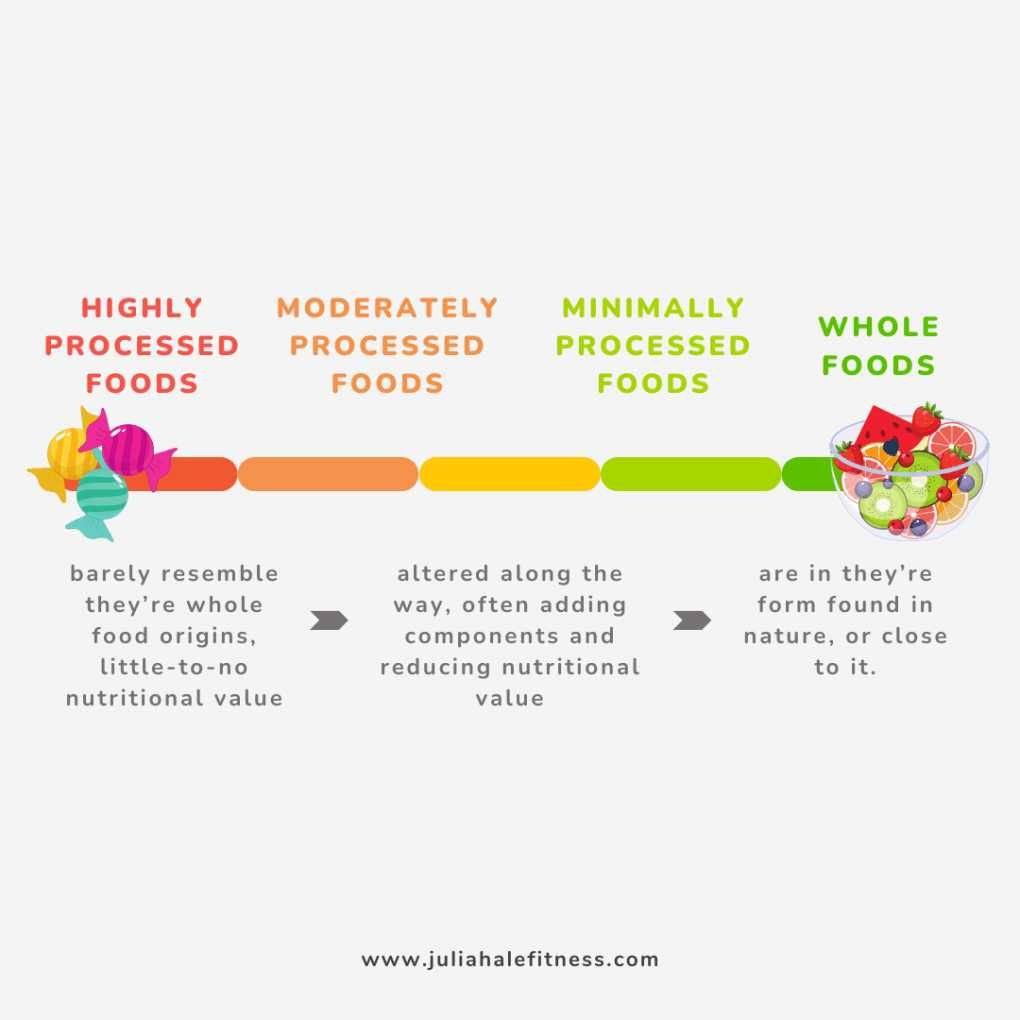
Opting for whole foods instead of processed options can significantly boost your health and elevate your energy levels. The key is to recognize natural foods in their purest form and avoid overly packaged, artificial products. In just a few simple steps, you can train your eye to pick wholesome alternatives that nourish your body rather than just satisfy cravings. Choosing whole foods means prioritizing fresh produce, whole grains, nuts, and lean proteins while reducing intake of pre-packaged snacks and convenience foods.
**Summary:** To choose whole foods over processed options, focus on shopping around the perimeter of the grocery store where fresh items are usually located, read labels carefully, and prepare meals at home. Making small, mindful changes in your shopping habits can lead to healthier eating and a more balanced lifestyle.
Switching from processed to whole foods might seem daunting at first, but it becomes easier when you understand what to look for and how to incorporate more natural options into your diet. Whole foods are minimally processed, retaining most of their natural nutrients, which makes them a smarter and more satisfying choice. Start by planning your meals around fresh fruits and vegetables, whole grains, and unprocessed proteins. Avoid foods with long ingredient lists or added preservatives, and opt for simple, recognizable ingredients instead. With practice, choosing whole foods becomes second nature, leading to a healthier, tastier, and more vibrant way of eating.

How to choose whole foods over processed options
Understanding Whole Foods and Processed Foods
Choosing healthy foods starts with understanding what makes a food whole or processed. Whole foods are natural, unrefined, and minimally altered from their original state. Examples include fresh fruits, vegetables, whole grains, nuts, and lean meats. Processed foods, on the other hand, have been changed from their natural state through methods like refining, adding preservatives, or packaging. This often means they contain artificial ingredients, added sugars, unhealthy fats, and high levels of sodium.
Knowing the difference helps you make smarter choices at the grocery store. Whole foods provide more nutrients and fewer additives, which support overall health. Reading labels carefully can show whether a food is truly whole or heavily processed. For example, a whole apple has no ingredients other than itself, while apple-flavored snack foods may contain artificial flavors and preservatives.
Why Choosing Whole Foods Matters
Opting for whole foods supports better digestion, boosts energy, and improves immune function. Whole foods are rich in vitamins, minerals, fiber, and antioxidants that help your body function at its best. They can also aid in managing weight, reducing the risk of chronic diseases, and providing sustained energy throughout the day.
Processed foods are often filled with empty calories, meaning they offer little nutritional value but plenty of sugar and additives. Regular consumption of highly processed foods has been linked to health problems like obesity, diabetes, and heart disease. Making the switch to whole foods is a simple step toward a healthier lifestyle.
How to Recognize Whole Foods on the Shelves
Shopping for whole foods requires some knowledge and attention to detail. Look for items that are fresh, natural, and minimally packaged. The produce section is a goldmine of whole foods—choose fresh fruits and vegetables with vibrant colors and firm textures. Whole grains like brown rice, oats, and quinoa are excellent choices.
Meat, fish, and poultry should be purchased fresh or frozen without added sauces or fillers. When buying packaged foods, read labels carefully. Whole foods typically have few ingredients, often just the food itself. Avoid products with long ingredient lists filled with unfamiliar terms and artificial additives.
Strategies for Making Whole Food Choices Easier
Planning your meals ahead of time helps you stick to whole foods. Prepare grocery lists that emphasize fresh produce, whole grains, and lean proteins. Shopping around the perimeter of the store usually offers the freshest, least processed options.
Consider shopping at farmers’ markets or local co-ops, where fresh, whole foods are more readily available. Buying in bulk can also reduce costs and encourage purchasing whole grains, nuts, and seeds. Keep a list of your favorite whole foods to simplify shopping trips and resist the temptation of processed snacks.
Reading Labels Effectively
Label reading is key to avoiding hidden processed ingredients. Ingredients are listed from most to least abundant—aim to see whole foods or simple ingredients first. Watch for added sugars, which can appear as sucrose, glucose, high-fructose corn syrup, or flavored additives.
Fats should come from healthy sources like nuts, seeds, or olive oil, not trans fats or hydrogenated oils. Sodium content is also important; processed foods tend to have high levels of salt, which can impact heart health. Become familiar with common food additives and preservatives to spot highly processed products easily.
Incorporating Whole Foods into Your Meals
Start your day with whole foods like oatmeal topped with fresh fruit or eggs with vegetables. For lunch and dinner, aim for plates filled with varied vegetables, lean proteins, and whole grains. Cooking at home allows more control over ingredients and reduces intake of processed components.
Experiment with recipes that highlight natural flavors—roasted vegetables, grilled meats, or salads with homemade dressings. Incorporate nuts, seeds, and legumes for added protein and fiber. Using herbs and spices instead of salt enhances flavor naturally and keeps dishes wholesome.
Smart Swaps for Processed Snacks and Convenience Foods
Replace processed chips with homemade popcorn or roasted chickpeas. Swap sugary cereals for oatmeal or plain Greek yogurt topped with fresh fruit. Choose whole-grain bread instead of white bread and opt for nut butters without added sugar.
Prepare your snacks in advance, like cut vegetables, fruit slices, or trail mix, to avoid reaching for processed options. Using kitchen tools such as slow cookers or pressure cookers can make preparing whole foods easier and faster.
Building a Whole Food Pantry
Stock your pantry with staples that support healthy eating. Keep whole grains like brown rice, oats, and whole wheat pasta; nuts, seeds, and dried fruits for snacks; and canned beans and tomatoes for versatile cooking.
Having a variety of wholesome ingredients ready means you can create nutritious meals without relying on processed convenience foods. Store these items properly in airtight containers to preserve freshness and prevent spoilage.
Overcoming Common Challenges
Many find it difficult to switch to whole foods due to time constraints or budget concerns. Plan simple, quick recipes that use whole ingredients and batch cook to save time.
Buying seasonal produce can lower costs and ensure freshness. Also, develop new cooking skills gradually—try one new whole food recipe each week to build confidence and variety in your diet.
Supporting Your Family in Choosing Whole Foods
Encourage your family to enjoy whole foods by involving them in grocery shopping and meal preparation. Make colorful, tasty dishes that appeal to kids and adults alike. Educate everyone on the benefits of eating whole foods for health and energy.
Create a supportive environment by keeping processed snacks out of reach and offering healthy alternatives. Lead by example, showcasing your commitment to healthier eating habits.
Long-Term Benefits of Choosing Whole Foods
Consistently selecting whole foods can lead to sustained health benefits. You may notice improved digestion, better skin, increased energy, and weight management. Over time, these choices can reduce the risk of chronic illnesses such as heart disease and diabetes.
Making small, gradual changes increases the likelihood of maintaining a whole-food diet. Remember, aim for progress, not perfection, and celebrate each step toward healthier eating.
Switching to whole foods takes effort but offers numerous benefits for your health and well-being. By understanding the differences, making smarter shopping choices, and preparing tasty meals, you can enjoy a more nutritious diet. Over time, these habits can become second nature, supporting a healthier lifestyle for you and your family.
Whole Foods vs. Processed Foods: Which is Better for Your Health? Tina Haupert
Frequently Asked Questions
What strategies can I use to identify whole foods while shopping?
Focus on reading ingredient labels and opt for products with minimal or no added ingredients. Choose fresh produce, whole grains, and unprocessed meats. Avoid items with long lists of chemicals, preservatives, or artificial additives. Shopping primarily around the perimeter of the store often helps, as fresh, whole foods are usually located there.
How do I differentiate between processed and minimally processed foods?
Processed foods often contain added sugars, salts, preservatives, and artificial ingredients, whereas minimally processed options retain most of their natural properties with little alteration. For example, fresh vegetables that are washed and packaged with only a salt solution differ from pre-packaged snacks or ready-to-eat meals that contain multiple additives.
What practical tips can help me include more whole foods in my diet?
Create a shopping list centered around fresh fruits, vegetables, nuts, seeds, and unrefined grains. Cook meals from scratch using basic ingredients instead of convenience foods. Preparing meals at home allows you to control what goes into your food and reduces reliance on processed options.
How can I plan my meals to prioritize whole foods?
Plan your weekly meals around fresh ingredients and incorporate a variety of whole foods to meet your nutritional needs. Batch cook and store portions of cooked grains, beans, or roasted vegetables to simplify meal preparation. Focusing on seasonal produce also helps keep costs down and ensures freshness.
What should I keep in mind regarding the environmental impact of whole foods?
Opt for locally sourced and seasonal produce whenever possible, as it reduces transportation emissions and supports local farmers. Choose organic options when feasible to decrease exposure to pesticides. Reducing processed food consumption also minimizes packaging waste, benefiting the environment.
Final Thoughts
Choosing whole foods over processed options ensures better nutrition and health benefits. Focus on fresh fruits, vegetables, whole grains, and lean proteins, which provide essential nutrients without added chemicals or preservatives. When shopping, read labels carefully and opt for items with minimal ingredients.
Planning meals ahead of time helps you make healthier choices and reduces temptation to reach for convenience foods. Cooking at home gives you control over ingredients and portion sizes, promoting mindful eating. Remember, making small consistent changes can lead to lasting habits.
How to choose whole foods over processed options becomes easier with awareness and intention. Prioritize whole foods for their natural goodness and avoid heavily processed foods to support your well-being effectively.
As an Amazon Associate, We earn from qualifying purchases. When you purchase a product through Amazon links on pulsefitguide.com, we may earn a small commission at no extra cost to you. This helps support the site and keep our content free.