

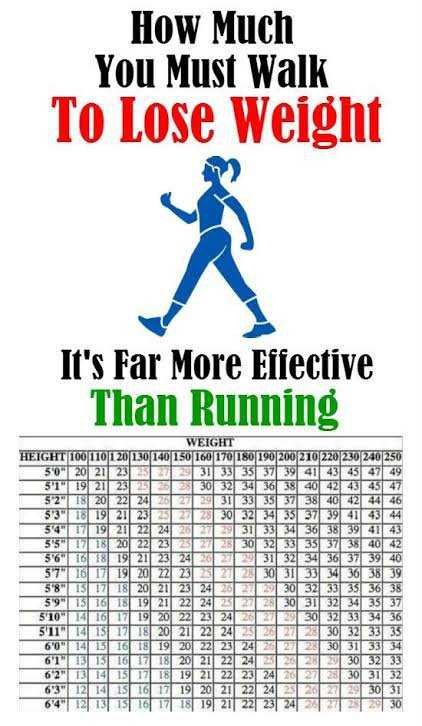
The secret to maximizing fat loss on your walks is all about finding the perfect pace — one that increases your heart rate enough to burn calories without leaving you completely exhausted. A brisk walk that’s too slow won’t give you the desired results, while walking too fast can be discouraging or even harmful. The key is to strike a balance, staying in a zone where you’re breathing heavier but still able to hold a conversation.
In short, the right pace for fat burning walks is typically around 50-70% of your maximum effort, often called the moderate-intensity zone. This pace allows your body to efficiently burn fat while keeping you comfortable enough to walk longer.
When starting your walking routine, it’s essential to listen to your body and adjust your speed accordingly. Your goal is to walk at a pace that feels challenging but sustainable, boosting your metabolism and helping shed those extra pounds over time. Think of it as a personalized sweet spot — enough to challenge you but not so much that you give up early. With the right pace, your walks will become a powerful and enjoyable part of your fitness journey.

How to choose the right pace for fat burning walks
Finding the correct pace for your walks can make a big difference in how much fat you burn. Walking too fast might make you tired quickly, while walking too slow may not give you enough exercise benefits. Knowing your ideal walking speed can help you stay motivated and see better results.
Understanding the importance of pace in fat burning
Your walking pace directly influences how many calories you burn. When you walk at a moderate or brisk pace, your body uses more energy, leading to increased fat loss. It’s also easier to stay in the fat-burning zone if you know what speed works best for you.
What is the fat-burning zone?
The fat-burning zone is a level of exercise intensity where your body burns a higher proportion of fat for fuel. Typically, this zone is about 50 to 70% of your maximum heart rate. Walking within this zone helps optimize fat loss without exhausting your energy reserves.
How to calculate your target heart rate
Step 1: Find your maximum heart rate
- Subtract your age from 220 to estimate your maximum heart rate. For example, if you are 40 years old, your maximum heart rate is approximately 180 beats per minute.
Step 2: Determine your fat-burning heart rate range
- Multiply your maximum heart rate by 0.50 for the lower limit. Using the example above, 180 x 0.50 = 90 bpm.
- Multiply your maximum heart rate by 0.70 for the upper limit. Here, it is 180 x 0.70 = 126 bpm.
Walking at a pace that keeps your heart rate between these numbers will help you stay in the fat-burning zone.
Monitoring your pace effectively
Using a heart rate monitor or fitness tracker
A heart rate monitor helps you stay within your target zone. Many fitness trackers also include pace and heart rate monitoring, making it easier to adjust your speed as needed.
Checking your perceived exertion
If you don’t have a device, use the “talk test” to gauge your effort. You should be able to speak comfortably while walking, but singing might be difficult. This indicates you’re in a moderate intensity zone suitable for fat burning.
The ideal walking speed for fat burning
Generally, a brisk walk is around 3.5 to 4.5 miles per hour
- This pace challenges your body without causing exhaustion.
- It allows you to maintain a conversation comfortably.
Adjusting your speed based on fitness level
- Beginner walkers may start around 2.5 miles per hour and gradually increase.
- More experienced walkers might aim for higher speeds to enhance fat burning.
Listening to your body for pace adjustments
Pay attention to how you feel during your walks. If you’re out of breath or feeling pain, slow down. If walking feels too easy after some time, increase your pace slightly to continue challenging your body.
The importance of consistency over speed
Walking at a consistent pace most days of the week leads to better fat loss results. It’s more effective to walk regularly at a manageable speed than to walk fast sporadically.
The role of terrain and environment in your pace
Walking on flat surfaces versus hills
Walking uphill or on uneven terrain naturally increases intensity. Adjust your pace accordingly to stay within your target heart rate zone and avoid overexertion.
Impact of weather conditions
Hot or humid weather can affect your pace. Take shorter steps and slow down if needed to prevent overheating and dehydration.
Tips for maintaining the right pace during your walks
- Start with a warm-up walk at a slower speed.
- Gradually increase your pace to reach your target zone.
- Use music, podcasts, or audiobooks to help keep a steady rhythm.
- Take breaks if you feel too tired or out of breath.
Incorporating interval walking for enhanced fat burning
What is interval walking?
Interval walking involves alternating between periods of faster and slower walking. It boosts calorie burn and improves cardiovascular health.
Sample interval routine
- Walk briskly for 2 minutes.
- Slow down to a comfortable pace for 2 minutes.
- Repeat this cycle for 20 to 30 minutes.
Tracking your progress and adjusting your pace
Use a journal or app to record your pace, heart rate, and how you feel. Regularly reviewing your progress helps you make necessary adjustments for ongoing fat burning.
Summary of key factors to consider
- Find the pace that keeps your heart rate within the fat-burning zone.
- Monitor your exertion through devices or perceived effort.
- Adjust for terrain and weather conditions.
- Maintain consistency for best results.
Choosing the right walking pace is essential for effective fat burning. Focus on maintaining a moderate, sustainable speed that challenges your body without causing fatigue. With regular walks and mindful adjustments, you’ll see improvements in your health and fitness over time.
Which Burns Fat Faster, Walking or Running?
Frequently Asked Questions
How can I gauge if I am walking at the right intensity for fat burning?
To determine if your pace promotes fat burning, pay attention to your breathing and effort level. You should be able to carry on a conversation without gasping for air, indicating a moderate intensity. If you find yourself breathless or unable to speak comfortably, slow down. Monitoring your perceived exertion helps ensure you’re maintaining a pace that effectively targets fat loss without overexerting yourself.
What are some signs that my walking speed is too slow or too fast for fat burning?
If your pace feels very easy and you can walk for hours without feeling tired, you may be walking too slowly to optimize fat burning. Conversely, if you’re struggling to maintain the pace, breathing heavily, or experiencing muscle fatigue early on, you might be walking too fast. Adjust your speed to find a balance where your effort feels sustainable over the duration of your walk, typically in a moderate intensity zone.
How does terrain affect choosing the right walking pace for fat burning?
Inclines and uneven surfaces naturally increase effort, making you work harder at lower speeds. When walking on hilly terrain, reduce your pace slightly to stay within a fat-burning zone. On flat surfaces, you can walk a bit faster while still maintaining a moderate effort level. Adjust your speed based on terrain to keep your workout effective and comfortable over time.
Should I vary my walking pace during a fat-burning walk?
Yes, incorporating intervals of slightly increased pace followed by periods of moderate walking can boost fat burning. This approach, known as interval walking, challenges your body and enhances calorie expenditure. However, ensure that your overall pace remains within a sustainable range that allows you to maintain consistent effort and avoid overexertion.
How do personal fitness levels influence the pace I should choose for fat burning?
Your current fitness level determines how fast or slow you should walk for optimal fat burning. Beginners may start at a slower pace that still elevates their heart rate, while more fit individuals can walk faster while staying within the target effort zone. Focus on gradual progress, increasing your pace as your endurance improves to continuously challenge your body and promote fat loss.
Final Thoughts
Choosing the right pace for fat burning walks depends on your fitness level and goals. Walk briskly enough to raise your heart rate but stay comfortable.
Pay attention to how you feel during your walk; you should breathe harder but still be able to speak.
Remember, consistency is key. By following these tips, you’ll find how to choose the right pace for fat burning walks and see better results.
As an Amazon Associate, We earn from qualifying purchases. When you purchase a product through Amazon links on pulsefitguide.com, we may earn a small commission at no extra cost to you. This helps support the site and keep our content free.