

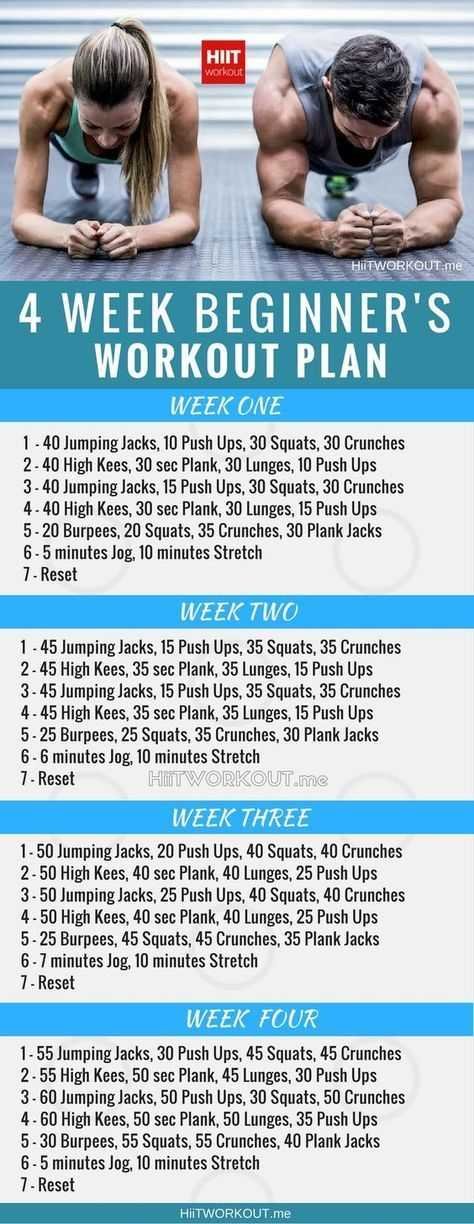
To build muscle at home without equipment as a beginner, focus on bodyweight exercises like push-ups, squats, and planks to target multiple muscle groups. Incorporate consistency, proper nutrition, and gradual increases in intensity to see results. With dedication, you can develop strength and muscle without any fancy gear!
You don’t need a gym or equipment to start building muscle – all you need is your body and a bit of motivation. By leveraging simple exercises that utilize your body weight, you can engage your muscles effectively and see progress over time. The key is to stay consistent, challenge yourself gradually, and pay attention to your diet. Whether you’re new to fitness or returning after a break, building muscle at home is entirely achievable and can be fun! This guide will show you practical tips and specific exercises to help you get stronger and more toned without stepping foot in a gym.

How to Build Muscle at Home Without Equipment for Beginners
Understanding Muscle Building Without Equipment
Building muscle without equipment is entirely possible with the right exercises and consistency. It uses your own body weight to create resistance, making it accessible for everyone. For beginners, this approach can help develop strength, endurance, and muscle tone without needing a gym.
Why Focus on Bodyweight Exercises?
Bodyweight exercises are safe, effective, and require no additional tools. They help improve core strength and balance while targeting multiple muscles simultaneously. These exercises also increase flexibility and coordination, supporting overall fitness.
Key Principles for Building Muscle at Home
Before diving into specific workouts, keep in mind these principles:
- Progressive Overload: Gradually increase difficulty by adding more repetitions or challenging variations.
- Consistency: Exercise regularly to see steady improvements.
- Proper Form: Focus on correct technique to prevent injuries and maximize muscle engagement.
- Rest and Recovery: Allow muscles time to repair and grow by taking rest days.
Effective Exercises for Beginners
A well-rounded muscle-building routine includes exercises that target major muscle groups. Here are some of the most effective bodyweight exercises:
Push-Ups
Push-ups target the chest, shoulders, and triceps. They also strengthen the core. Beginners can start with modified push-ups on their knees to build initial strength.
Squats
Squats work the thighs, hips, and glutes. Proper form involves keeping your back straight and knees aligned over your toes. They help develop lower body muscles essential for overall strength.
Planks
Planks strengthen the core, shoulders, and back. To perform, hold your body in a straight line on forearms and toes, engaging your core muscles.
Lunges
Lunges focus on the legs and glutes, improving balance and coordination. Take a step forward and lower your hips until both knees are bent at about 90 degrees.
Burpees
Burpees combine squats, jumps, and push-ups to boost cardiovascular fitness and muscular endurance. They also engage multiple muscle groups at once.
Creating a Beginner-Friendly Workout Routine
Designing a workout routine involves selecting exercises that match your fitness level. For beginners, aim for 3 to 4 sessions per week, with rest days in between.
Sample Weekly Workout Plan
| Day | Workout Focus | Exercises |
|---|---|---|
| Monday | Upper Body | Push-Ups, Tricep Dips (using a chair), Planks |
| Wednesday | Lower Body | Bodyweight Squats, Lunges, Glute Bridges |
| Friday | Full Body | Burpees, Mountain Climbers, Side Planks |
| Sunday | Active Rest | Walking, Stretching |
Progression Strategies for Continual Gains
To keep progressing, challenge your muscles over time:
- Add Repetitions: Perform more reps as you get stronger.
- Increase Sets: Do multiple rounds of exercises.
- Try Advanced Variations: Incorporate incline push-ups, pistol squats, or side planks.
- Reduce Rest Time: Shorten breaks between sets to boost intensity.
Nutrition Tips for Muscle Growth
Fuel your body with proper nutrition to support muscle development:
- Eat Enough Protein: Include lean meats, beans, nuts, and dairy daily.
- Maintain a Caloric Surplus: Consume slightly more calories than you burn, focusing on nutrient-dense foods.
- Stay Hydrated: Drink plenty of water to facilitate recovery.
- Avoid Processed Foods: Limit sugars and unhealthy fats that hinder progress.
Incorporating Rest and Recovery
Rest days are crucial for muscle repair and growth. Ensure you get at least one full rest day per week. Also, prioritize quality sleep and gentle stretching after workouts to reduce soreness.
Additional Tips for Success
Sticking to your routine requires motivation. Find a workout buddy or set achievable goals. Track your progress weekly to stay inspired and make adjustments as needed.
Benefits of Building Muscle at Home Without Equipment
Not only does this approach save money and time, but it also increases confidence and independence. It promotes consistent activity, leading to better health, improved posture, and increased stamina.
Related Topics to Explore
– Bodyweight exercises for toning
– Nutrition for muscle gain
– Incorporating cardio for overall fitness
– Creating a sustainable workout routine
– Preventing injuries during home workouts
By following these guidelines, beginners can effectively build muscle at home without equipment. Stay committed, challenge yourself gradually, and enjoy the journey to improved strength and health.
You CAN get JACKED from home. | Beginners Homeworkout Guide
Frequently Asked Questions
What are some effective bodyweight exercises for building muscle at home?
Push-ups, squats, lunges, and planks are highly effective for developing muscle strength without equipment. Incorporate variations like wide-arm push-ups or jump squats to target different muscle groups and increase resistance as you progress. Focus on proper form and gradually increase repetitions to ensure muscle growth.
How can I create a balanced workout routine without weights?
Design your routine to include exercises that target all major muscle groups, such as push-ups for the chest and arms, bodyweight squats for the legs, and planks for the core. Schedule workouts 3-4 times a week, allowing time for muscle recovery. Mix different exercises to keep your routine engaging and promote muscle balance.
What nutritional tips can support muscle growth at home?
Eat a diet rich in lean proteins like chicken, fish, and beans to provide the building blocks for muscle repair. Include complex carbohydrates such as whole grains for sustained energy, and consume healthy fats from nuts and avocados. Stay well-hydrated and consider timing your meals to include protein shortly after your workouts for best results.
How can I track my progress without gym equipment?
Keep a workout journal to record exercises, repetitions, and sets. Monitor changes in your strength and endurance by noting how many repetitions you can complete over time. Take progress photos and measure muscle areas periodically to visually assess improvements and stay motivated.
What modifications can I make to increase workout intensity at home?
Add pauses during exercises to increase muscle tension or slow down your movement to maximize muscle engagement. Incorporate plyometric movements like jump squats or explosive push-ups to challenge your muscles further. As you get stronger, increase repetitions or add more complex variations to your routines.
Final Thoughts
Construire du muscle à la maison sans équipement pour débutants est tout à fait possible en suivant des exercices simples. Concentrez-vous sur des mouvements comme les pompes, les squats et les gainages pour cibler différents groupes musculaires. Adoptez une routine régulière et augmentez l’intensité progressivement pour des résultats optimaux. En restant cohérent, vous verrez des progrès même sans matériel coûteux.
As an Amazon Associate, We earn from qualifying purchases. When you purchase a product through Amazon links on pulsefitguide.com, we may earn a small commission at no extra cost to you. This helps support the site and keep our content free.