

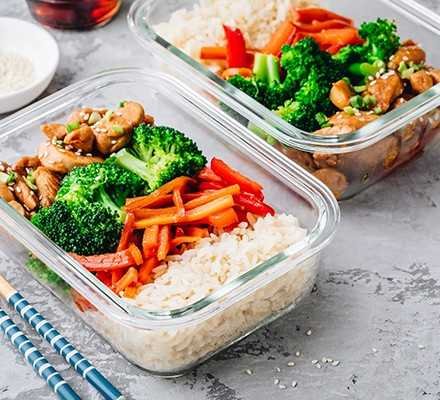
To create a weight loss meal with the perfect balance of protein and carbs, focus on choosing lean protein sources like chicken, fish, or legumes paired with wholesome carbs such as vegetables, whole grains, or fruits. Keep portion sizes in check and aim for a meal that satisfies your hunger while supporting your weight loss goals. Including healthy fats in moderation can also enhance satiety and overall nutritional value.
In essence, building a weight loss meal involves selecting nutrient-dense foods that support muscle maintenance and energy levels without excess calories. Balance your plate with lean proteins, complex carbs, and healthy fats, adjusting portions based on your activity level and goals to stay motivated and on track.
Getting the right balance of protein and carbs in your meals is key to effective weight loss. It helps control hunger, boost metabolism, and preserve muscle mass as you shed unwanted pounds. With a little planning, you can craft delicious, satisfying meals that fuel your body and keep you feeling full longer. Focus on whole, unprocessed foods, and aim for a balanced plate—your taste buds and waistline will thank you!

How to Build a Weight Loss Meal with the Right Protein and Carbs Balance
Building a healthy, weight-loss meal requires understanding which foods provide the right balance of protein and carbohydrates. This balance helps control hunger, stabilize blood sugar levels, and support your overall weight loss goals. In this section, we will explore how to achieve that perfect mix in every meal.
Why Balance of Protein and Carbohydrates Matters
Protein and carbohydrates are two essential macronutrients that play different roles in your body. Protein helps build and repair tissues, keeps you full longer, and boosts metabolism. Carbohydrates are your body’s primary energy source, fueling daily activities. When eaten in the right proportions, they support weight loss without sacrificing energy or muscle.
Maintaining a good balance prevents overeating and reduces cravings. It also encourages sustained energy levels throughout the day. An ideal weight loss meal typically contains a moderate amount of carbs and a generous serving of lean proteins.
Understanding Protein: Essential for Satiety and Muscle Preservation
Protein options include lean meats, fish, eggs, dairy, beans, and plant-based sources like tofu or tempeh. Consuming enough protein is key because it helps you feel full longer, which reduces calorie intake overall.
For weight loss, aim for about 20 to 30 grams of protein per meal. This intake supports muscle retention while losing fat. Incorporate protein in every meal to maintain steady blood sugar levels and prevent energy crashes.
Top Protein Sources for Weight Loss
- Chicken breast
- Turkey
- Eggs and egg whites
- Greek yogurt
- Cottage cheese
- Fish like salmon and cod
- Legumes such as lentils and chickpeas
- Plant-based options like tofu and tempeh
Choose lean cuts and incorporate a variety of sources for balanced nutrition.
Choosing the Right Carbohydrates
Carbohydrates should primarily come from complex sources that provide fiber and nutrients. These help slow digestion, keep you full longer, and prevent blood sugar spikes.
Avoid refined carbs like white bread, pastries, and sugary drinks, which can lead to energy crashes and increased hunger. Instead, focus on whole grains, vegetables, fruits, and legumes.
Best Carbohydrate Options for Weight Loss
- Brown rice
- Oats
- Sweet potatoes
- Quinoa
- Whole wheat bread and pasta
- Leafy greens and non-starchy vegetables
- Fruits like berries, apples, and oranges
Incorporating fiber-rich carbs aids digestion and promotes feelings of fullness, making it easier to stick to your meal plan.
How to Measure Proper Portions
Controlling portion sizes is crucial in balancing protein and carbs. Using measuring cups or a food scale helps ensure accurate intake.
A balanced meal often consists of:
- One palm-sized serving of lean protein
- A fist-sized portion of complex carbs
- Plenty of non-starchy vegetables
Adjust portions based on your daily calorie goal and activity level to support weight loss efficiently.
Sample Meal Compositions for a Balanced Weight Loss Meal
Here are a few examples illustrating perfect combinations:
Example 1: Grilled Chicken with Quinoa and Steamed Broccoli
- 4 to 5 ounces grilled chicken breast
- Half a cup cooked quinoa
- One cup steamed broccoli
This meal contains lean protein, complex carbs, and fiber-rich vegetables, promoting fullness and sustained energy.
Example 2: Baked Salmon with Sweet Potato and Asparagus
- 4 ounces baked salmon
- Half a medium sweet potato
- One cup sautéed asparagus
Rich in omega-3 fatty acids, this combo supports heart health while keeping calories in check.
Example 3: Lentil Salad with Mixed Greens and Whole Wheat Pita
- One cup cooked lentils
- Two small whole wheat pita halves
- Mixed greens, tomatoes, cucumbers
This vegetarian option offers high protein from lentils and complex carbs from whole wheat.
Additional Tips for Building Your Meal
- Combine protein and carbs in equal or slightly greater proportions of protein for satiety.
- Use herbs and spices for flavor without adding extra calories.
- Include healthy fats like olive oil or avocado in moderation, as they aid absorption of nutrients and increase meal satisfaction.
- Plan your meals ahead to prevent impulsive eating of less nutritious options.
- Stay hydrated; sometimes thirst is mistaken for hunger.
Monitoring and Adjusting Your Meals
Track your food intake using apps or journals to understand how different portions impact your weight loss progress. Adjust your portion sizes and food choices based on your body’s response.
Remember that consistency and patience play significant roles. Small, sustainable changes in your meal composition will lead to better results over time.
Related Topics for Further Consideration
Meal Planning Strategies for Weight Loss
Incorporating Intermittent Fasting
Healthy Snack Ideas with Proper Protein and Carbs
Understanding Glycemic Index and Its Impact
Creating balanced meals centered around the right combination of protein and carbohydrates is a simple yet effective way to achieve your weight loss goals. Focus on nutrient-dense foods, portion control, and consistency, and you will build a sustainable eating pattern that encourages fat loss while keeping you energized.
The #1 Diet to Lose Fat (FOR GOOD!)
Frequently Asked Questions
How can I determine the right portion sizes for proteins and carbs in my meal?
To determine appropriate portion sizes, start by consulting dietary guidelines based on your age, sex, and activity level. Use tools like measuring cups or a kitchen scale to ensure accuracy. Aim for about 25-30% of your plate to consist of lean proteins, such as chicken, fish, or legumes, and around 40-50% for healthy carbs like vegetables, whole grains, or fruits. Remember that balancing these proportions helps support weight loss while maintaining energy levels.
What are some healthy sources of protein and carbs I should include in my meal?
Choose lean protein sources like skinless poultry, fish, tofu, eggs, and beans to keep calorie intake in check. For carbohydrates, focus on complex options such as brown rice, quinoa, oats, sweet potatoes, and a variety of vegetables. These foods deliver sustained energy, fiber, and essential nutrients, making them ideal for weight management and overall health.
How can I adjust my meal to ensure I get enough fiber along with the right balance of protein and carbs?
Incorporate fiber-rich foods like vegetables, fruits, legumes, and whole grains into your meals. These foods help keep you full longer, aiding in appetite control. To balance fiber with proteins and carbs, ensure that at each meal, a good portion of your plate includes high-fiber foods along with moderate amounts of lean protein and complex carbohydrates. This approach supports digestion and promotes a feeling of satiety.
What strategies can I use to avoid overeating carbs while focusing on protein intake?
To prevent consuming excessive carbs, fill most of your plate with vegetables and lean proteins first. Use smaller portions of grains or starchy vegetables and pair them with plenty of fiber and protein to maintain fullness. Drinking water before meals can also help curb hunger and reduce the tendency to overeat carbs. Planning meals ahead of time ensures you stick to balanced portions that support your weight loss goals.
Final Thoughts
Building a weight loss meal with the right protein and carbs balance is essential for effective results. Prioritize lean proteins like chicken, fish, or tofu to support muscle retention and satiety. Incorporate complex carbohydrates such as vegetables, whole grains, or legumes to provide sustained energy.
Focus on portion control to evenly distribute nutrients and avoid overeating. By paying attention to these elements, you create meals that nourish your body and promote weight loss. How to build a weight loss meal with the right protein and carbs balance is straightforward when you combine quality ingredients with mindful planning.
As an Amazon Associate, We earn from qualifying purchases. When you purchase a product through Amazon links on pulsefitguide.com, we may earn a small commission at no extra cost to you. This helps support the site and keep our content free.