

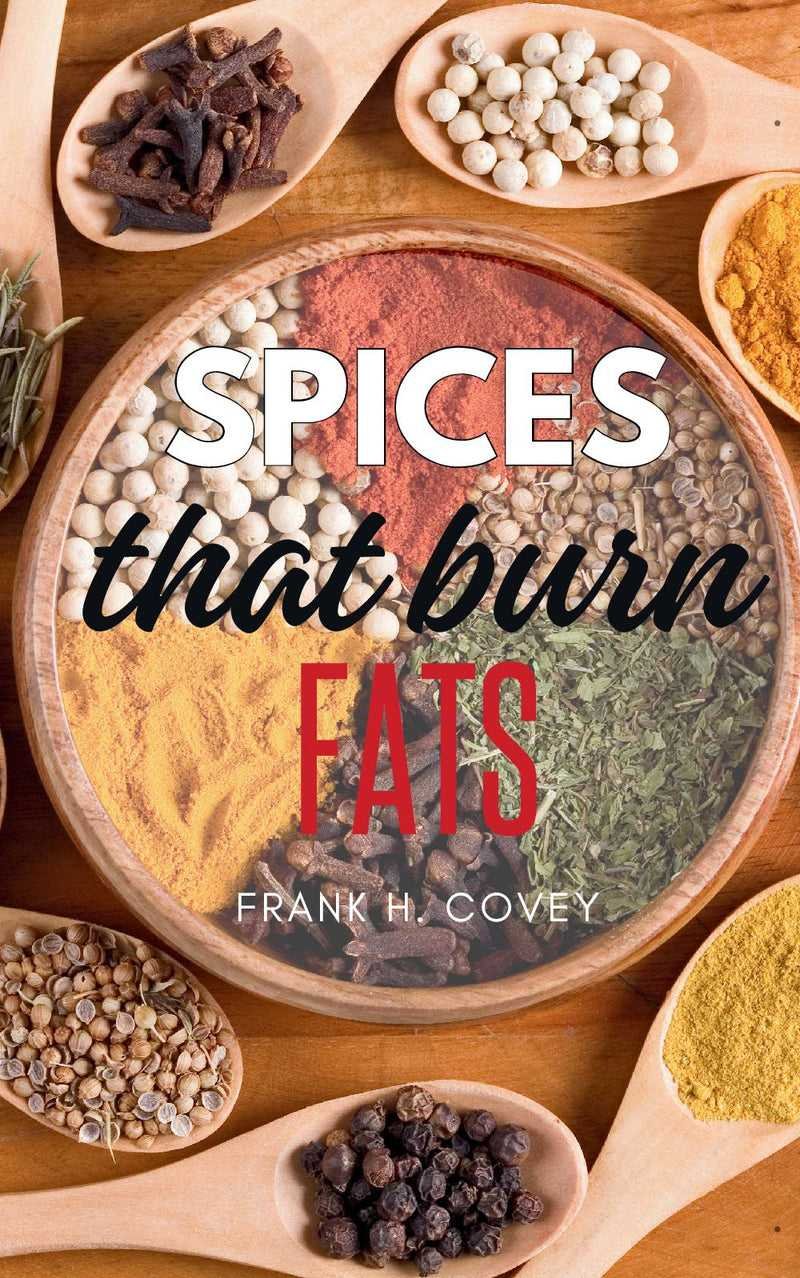
To naturally shed fat, focus on creating balanced meals that satisfy your hunger, stabilize blood sugar, and support your metabolism. Incorporate a mix of lean proteins, healthy fats, and complex carbs to fuel your body and curb cravings. Staying mindful of portion sizes and choosing wholesome, unprocessed foods can make all the difference.
A well-balanced meal combines the right proportions of macronutrients to promote fat loss without feeling deprived. By emphasizing whole, nutrient-dense foods and avoiding excessive sugars and refined carbs, you can optimize your body’s fat-burning potential while enjoying delicious, satisfying meals. Consistency is key—small, sustainable changes lead to lasting results.
Starting your journey toward natural fat loss can seem overwhelming, but it’s simpler than you think. The secret lies in smart meal planning—focusing on nutrient balance and mindful eating. When your meals include all three macronutrients in the right amounts, your body functions efficiently, preserves muscle, and promotes fat burning without extreme diets. With a few easy tweaks to your daily eating habits, you’ll find yourself feeling more energized, less hungry, and steadily trimming unwanted fat. Remember, it’s not about restricting yourself but about nourishing your body with what it truly needs to thrive and shed excess weight naturally.

How to Balance Your Meals for Natural Fat Loss
Understanding the Basics of Meal Balancing
Balancing your meals is essential for healthy and sustainable fat loss. It involves including the right proportion of nutrients in each meal to support your body’s needs. Properly balanced meals help control hunger, boost energy, and prevent overeating.
The main goal is to combine carbohydrates, proteins, and fats optimally. This balance keeps blood sugar levels steady, reducing cravings and promoting fat burning. Remember, the key is consistency and choosing nutrient-dense foods.
Macronutrients and Their Role in Fat Loss
Macronutrients are the nutrients your body needs in large amounts. They include carbohydrates, proteins, and fats, each playing a role in fat loss.
- Carbohydrates: Provide energy for daily activities. Opt for complex carbs like whole grains, vegetables, and fruits because they digest slowly and keep you full longer.
- Proteins: Help build and repair tissues. They also promote satiety, meaning you feel full longer. Good sources are lean meats, fish, beans, and dairy.
- Fats: Support hormone production and brain health. Healthy fats from nuts, seeds, avocados, and olive oil help regulate appetite and aid fat loss.
Balancing these macronutrients helps you maintain energy while losing fat.
How to Portion Your Plate Correctly
Using the “plate method” can simplify meal balancing. Fill half your plate with vegetables, a quarter with lean protein, and a quarter with healthy carbs.
This method ensures you get enough fiber, protein, and vitamins without overeating calories. You can also add a small portion of healthy fats like a drizzle of olive oil or a handful of nuts.
Here’s an example of a balanced plate:
- Vegetables: Broccoli, spinach, or peppers
- Lean Protein: Chicken breast, fish, or tofu
- Healthy Carbohydrates: Quinoa, sweet potatoes, or brown rice
- Healthy Fats: Avocado slices, nuts, or seeds
Adjust portions based on your age, activity level, and goals.
Choosing Nutrient-Dense Foods
Focus on foods that deliver maximum nutrients with fewer calories. These foods support fat loss by providing essential vitamins and minerals without excess sugars or unhealthy fats.
Some nutrient-dense options include:
- Leafy greens such as kale and spinach
- Colorful vegetables like bell peppers and carrots
- Whole grains like oats and barley
- Lean proteins such as turkey and eggs
- Healthy fats found in olive oil and fish
Including these foods in your meals helps your body function optimally during your fat loss journey.
Timing Your Meals for Better Results
Meal timing can influence your metabolism and hunger levels. Eating smaller, more frequent meals helps maintain energy and prevents bingeing.
Aim for three balanced main meals and one or two healthy snacks daily. Space meals about three to four hours apart to keep blood sugar stable.
Additionally, avoid skipping meals as it can lead to overeating later. Listening to your body’s hunger cues ensures you eat when truly hungry and stop when full.
Hydration and Its Impact on Fat Loss
Water plays a vital role in all bodily functions and supports weight loss efforts. Staying well-hydrated helps control appetite and improves digestion.
Drink at least eight glasses of water daily, more if you’re active or in hot weather. Sometimes, thirst can be mistaken for hunger, leading to unnecessary snacking.
Incorporate water-rich foods like cucumbers, watermelon, and oranges into your diet for added hydration benefits.
Incorporating Smart Snacking Strategies
Healthy snacks can prevent overeating during main meals and keep your metabolism active. Choose snacks rich in protein and fiber to stay full longer.
Some good snack options:
- Greek yogurt with berries
- A handful of mixed nuts
- Carrot sticks with hummus
- Apple slices with almond butter
Avoid processed snacks high in sugar and unhealthy fats, as they can hinder your fat loss progress.
Understanding the Importance of Meal Preparation
Preparing meals in advance helps control ingredients and portion sizes. It also minimizes the temptation to choose fast or unhealthy foods.
Set aside time weekly to plan and cook balanced meals. Use fresh ingredients and avoid processed foods for the best results.
Meal prep also supports consistent healthy eating habits, making it easier to stick to your fat loss plan.
Adjusting Your Meal Plan as You Progress
Your nutritional needs may change as you lose weight or increase activity levels. Regularly evaluate and adjust your portions and food choices.
Track your progress and listen to your body’s signals. Gradually reducing calorie intake or increasing physical activity can enhance fat loss.
Remember, flexibility and patience are crucial. A sustainable meal plan adapts with your evolving goals and lifestyle.
Additional Tips for Sustainable Fat Loss
In addition to balancing meals, incorporate other healthy habits:
- Maintain a regular sleep schedule
- Engage in regular physical activity
- Limit processed food and added sugars
- Manage stress through mindfulness or hobbies
These habits complement your balanced diet, making fat loss more effective and sustainable.
Summary of Key Points
To effectively balance your meals for natural fat loss:
- Include the right macronutrient ratios in each meal
- Use the plate method to portion foods properly
- Prioritize nutrient-dense foods
- Eat at regular intervals to keep energy steady
- Stay hydrated with water and water-rich foods
- Choose healthy snacks to control hunger
- Plan and prepare meals ahead of time
- Adjust your plan based on progress and needs
By focusing on these strategies, you will create a sustainable eating pattern that promotes healthy fat loss while still enjoying your meals.
The BEST Fat Loss Diet
Frequently Asked Questions
What are the key components to include in a balanced meal for fat loss?
To support natural fat loss, your meals should include lean proteins, healthy fats, complex carbohydrates, and plenty of vegetables. Proteins such as chicken, fish, or beans help build and repair tissues while keeping you full. Healthy fats like avocados, nuts, and olive oil provide essential nutrients and energy. Complex carbs like whole grains and vegetables offer sustained energy without spiking blood sugar levels. Incorporating a variety of these components ensures your body receives the nutrients it needs to function effectively while promoting fat loss.
How can portion control contribute to meal balancing for fat loss?
Controlling portion sizes helps prevent overeating and keeps your calorie intake in check, which is crucial for fat loss. Use smaller plates and bowls to naturally limit portion sizes, and pay attention to serving suggestions on food labels. Eating slowly allows your body to recognize when it’s full, reducing the chance of consuming excess calories. By managing portion sizes, you can enjoy a variety of foods while maintaining a calorie deficit necessary for healthy weight reduction.
What role does meal timing play in balancing meals for fat loss?
Maintaining consistent meal timings helps regulate your blood sugar levels and prevents excessive hunger, reducing the likelihood of overeating later. Eating smaller, balanced meals every 3-4 hours keeps your metabolism active and prevents large gaps that can lead to binge eating. Incorporating a healthy snack between meals ensures steady energy levels and supports your fat loss goals. Proper meal timing aligns your body’s natural rhythms for more effective weight management.
How can you incorporate fiber-rich foods into your meals for better fat loss results?
Including fiber-rich foods such as fruits, vegetables, whole grains, and legumes in your meals enhances satiety, helping you feel full longer and reducing overall calorie intake. Fiber slows digestion, stabilizing blood sugar levels and preventing cravings that can lead to overeating. Aim to include at least one source of fiber in each meal to support digestion and promote a sustainable fat loss process.
Final Thoughts
Balancing your meals for natural fat loss involves incorporating a mix of lean proteins, healthy fats, and complex carbs. Prioritize whole foods that nourish your body and keep you full longer. Consuming appropriate portions prevents overeating and maintains energy levels.
Drink plenty of water and avoid sugary drinks to support metabolism. Planning meals ahead helps ensure you stick to balanced choices.
In summary, how to balance your meals for natural fat loss revolves around mindful eating and choosing nutrient-dense foods. This approach promotes gradual, sustainable weight management without deprivation.
As an Amazon Associate, We earn from qualifying purchases. When you purchase a product through Amazon links on pulsefitguide.com, we may earn a small commission at no extra cost to you. This helps support the site and keep our content free.