

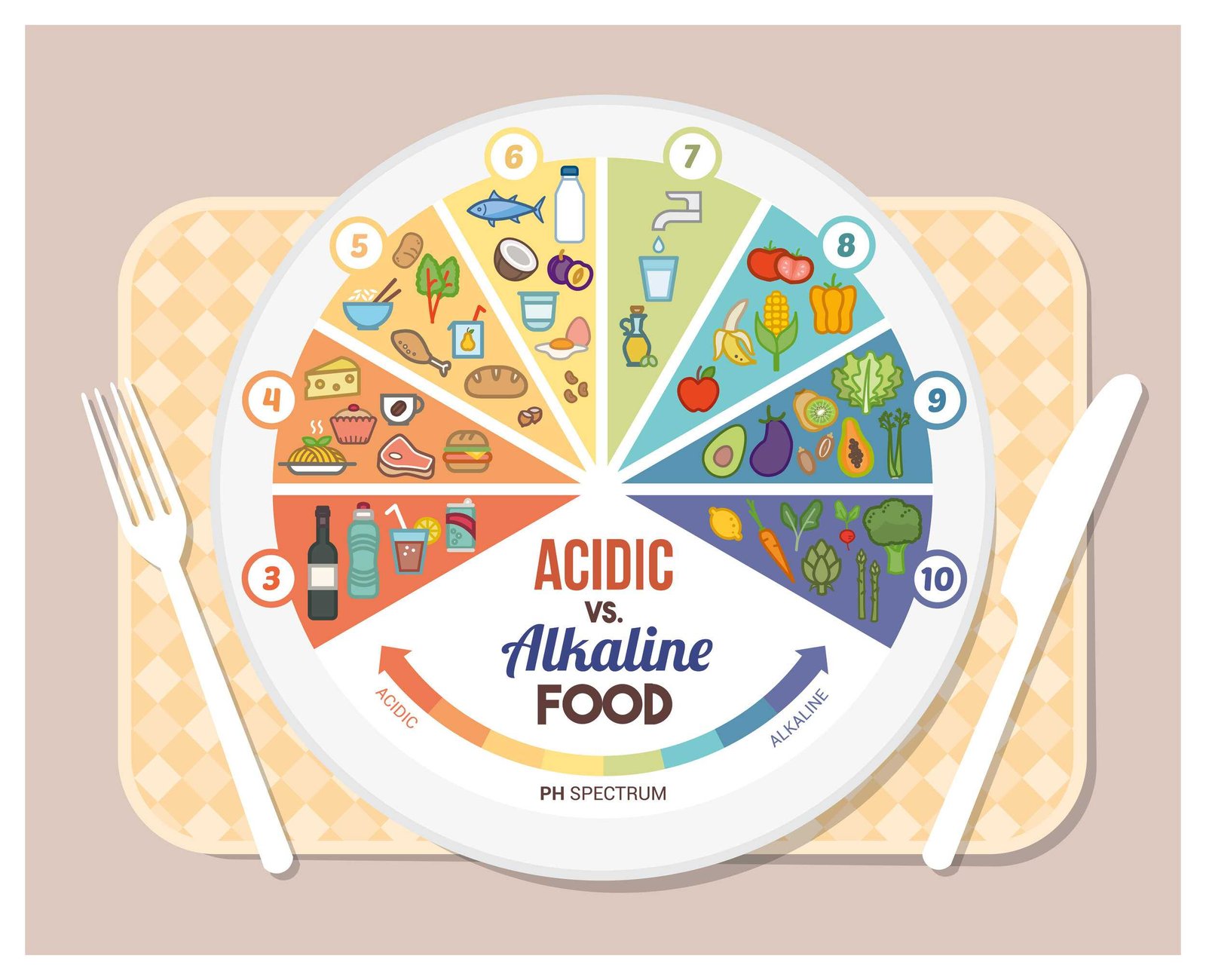
To quickly balance your body’s pH levels, focus on eating more alkaline foods like fruits and vegetables and reducing acid-forming foods such as processed foods and sugars. Stay well-hydrated, get regular exercise, and manage stress to support overall pH balance. These simple lifestyle changes can help maintain a healthy pH and improve your overall wellness.
Maintaining the right pH balance in your body is essential for optimal health. It involves keeping your body’s acidity and alkalinity in harmony, which can impact energy levels, digestion, and immune function. In this article, you’ll discover practical tips and natural approaches to help you achieve a balanced pH, promoting better health and vitality. Whether you’re looking to boost your energy or support your immune system, understanding how to maintain pH balance is a crucial step forward.

How to Balance Body pH Levels
Maintaining a balanced body pH level is essential for good health. Our body works best when it stays slightly alkaline, around 7.35 to 7.45 on the pH scale. If your body’s pH gets too acidic or too alkaline, it can cause health problems over time.
Understanding Body pH and Its Importance
The pH level measures how acidic or alkaline a solution is, with 7 being neutral. Our blood’s pH needs to stay within a narrow range for optimal function. When pH levels shift outside this range, it can affect organs, immune function, and energy levels.
Maintaining proper pH balance supports digestion, sleep quality, and mental clarity. An acidic environment can promote inflammation and disease, while an alkaline environment encourages healing and vitality.
Factors That Affect Your Body pH
Diet
- High consumption of processed foods, sugar, and meat tends to increase acidity.
- Fresh fruits and vegetables help keep the body more alkaline.
Stress and Emotions
- Chronic stress releases acids into the body, lowering pH levels.
- Relaxation practices can help restore balance.
Hydration
- Drinking enough water is vital for maintaining healthy pH levels.
- Adding alkaline water may further support balance.
Exercise
- Regular physical activity boosts circulation and helps eliminate acids.
- Over-exercising can temporarily increase acidity due to muscle fatigue.
Environmental Toxins
- Pollution and chemicals can increase the body’s acidity.
- Reducing exposure and detoxifying can help restore pH balance.
How to Test Your Body pH
Knowing your current pH levels helps guide your health choices. You can test your pH through saliva or urine tests using pH strips. Testing first thing in the morning provides the most accurate readings.
Place a sample (saliva or urine) on the strip and compare the color change to the chart provided. Regular testing can help you track progress and adjust your diet or lifestyle accordingly.
Diet Tips for Balancing Body pH
Eat More Alkaline Foods
- Fruits like lemons, watermelons, and avocados.
- Vegetables such as spinach, kale, and broccoli.
- Nuts and seeds, especially almonds and chia seeds.
Limit Acidic Foods
- Reduce intake of processed foods, caffeine, and alcohol.
- Cut back on red meats and dairy products.
Incorporate Alkaline-Forming Drinks
- Herbal teas and fresh vegetable juices.
- Alkaline water or adding a pinch of baking soda to water.
Lifestyle Practices to Support pH Balance
Stay Hydrated
Aim for at least eight glasses of water daily. Proper hydration helps flush out acids and toxins from the body.
Manage Stress Effectively
- Practice deep breathing, meditation, or yoga.
- Take regular breaks and prioritize rest.
Exercise Regularly
- Engage in moderate activities like walking, swimming, or cycling.
- Include stretching and relaxation exercises to reduce tension.
Detoxify Periodically
- Support liver health with detox foods like garlic, turmeric, and lemon.
- Consider gentle detox programs to eliminate accumulated acids and toxins.
Supplements and Herbal Aids for pH Balance
Alkaline Minerals
- Magnesium and potassium supplements can help neutralize acids.
- Consuming mineral-rich foods supports natural pH regulation.
Herbal Teas
- Sipping on chamomile, nettle, or ginger tea aids in balancing pH.
- Herbs like dandelion and burdock support detoxification.
Apple Cider Vinegar
Despite its acidity, apple cider vinegar has an alkalizing effect on the body when diluted and consumed correctly. It can help improve digestion and pH balance.
Additional Tips and Considerations
Avoid Smoking and Excessive Alcohol
Both can lead to increased acidity and impair your body’s natural balance.
Maintain a Healthy Weight
- Being overweight can shift pH levels negatively.
- A balanced diet and regular exercise aid in weight management.
Monitor Your Progress
Keep a journal of your pH test results, diet, and lifestyle changes. Adjust your habits based on how your body responds.
Long-Term Lifestyle Changes
Consistency is key for maintaining balanced pH levels. Small, sustainable changes often produce the best results over time.
Related Topics
- How diet influences overall well-being
- The role of hydration and water quality in health
- Understanding detoxification processes
- The impact of stress on body health
Keeping your body’s pH within a healthy range involves a combination of mindful eating, healthy habits, and regular monitoring. By making these small but impactful changes, you can support your body’s natural ability to stay balanced, boost your energy, and improve your overall health.
5 ways to balance your pH | Dr. Arpitha Komanapalli
Frequently Asked Questions
What dietary choices can help maintain an optimal body pH balance?
Eating a diet rich in fresh fruits and vegetables can help keep your body’s pH levels balanced. Incorporate alkaline-forming foods like leafy greens, cucumbers, and avocados while limiting acid-forming foods such as processed meats, refined sugars, and excessive dairy products. Drinking plenty of water and avoiding sugary or caffeinated beverages also supports pH stability.
How does hydration influence the body’s pH levels?
Proper hydration plays a crucial role in regulating pH levels. Drinking enough water helps flush out excess acids and toxins from your body, maintaining a healthy pH balance. Aim to consume at least 8 glasses of water daily, and consider incorporating herbal teas or mineral water to enhance hydration and support pH regulation.
What lifestyle habits can contribute to better pH balance in the body?
Engaging in regular physical activity, managing stress effectively, and avoiding smoking or excessive alcohol consumption help sustain a balanced pH. Exercise promotes circulation and detoxification, while stress management reduces acid production related to cortisol. These habits collectively create a healthier internal environment conducive to pH balance.
Can certain supplements aid in maintaining proper pH levels?
Yes, supplements like alkaline minerals (such as magnesium and potassium) can support pH balance. However, it’s essential to consult with a healthcare professional before adding any supplements to your routine, as they can assess your specific needs and prevent potential interactions or overuse.
Are there specific foods or drinks to avoid for pH balance concerns?
Limit or avoid acidic foods and drinks like soft drinks, processed foods, refined grains, and excessive intake of animal proteins. These can increase acid load in the body. Instead, focus on whole, minimally processed foods to promote a more alkaline environment and support overall pH balance.
Final Thoughts
To balance body pH levels, maintain a diet rich in fresh fruits and vegetables while limiting processed foods. Stay hydrated and incorporate regular exercise to promote optimal pH balance. Avoid excessive intake of acidic foods like soda and red meats.
Consistent healthy habits support your body’s natural ability to regulate pH. Remember, how to balance body ph levels is achievable through mindful choices and lifestyle adjustments. Prioritizing these steps helps maintain overall health and well-being.
As an Amazon Associate, We earn from qualifying purchases. When you purchase a product through Amazon links on pulsefitguide.com, we may earn a small commission at no extra cost to you. This helps support the site and keep our content free.