

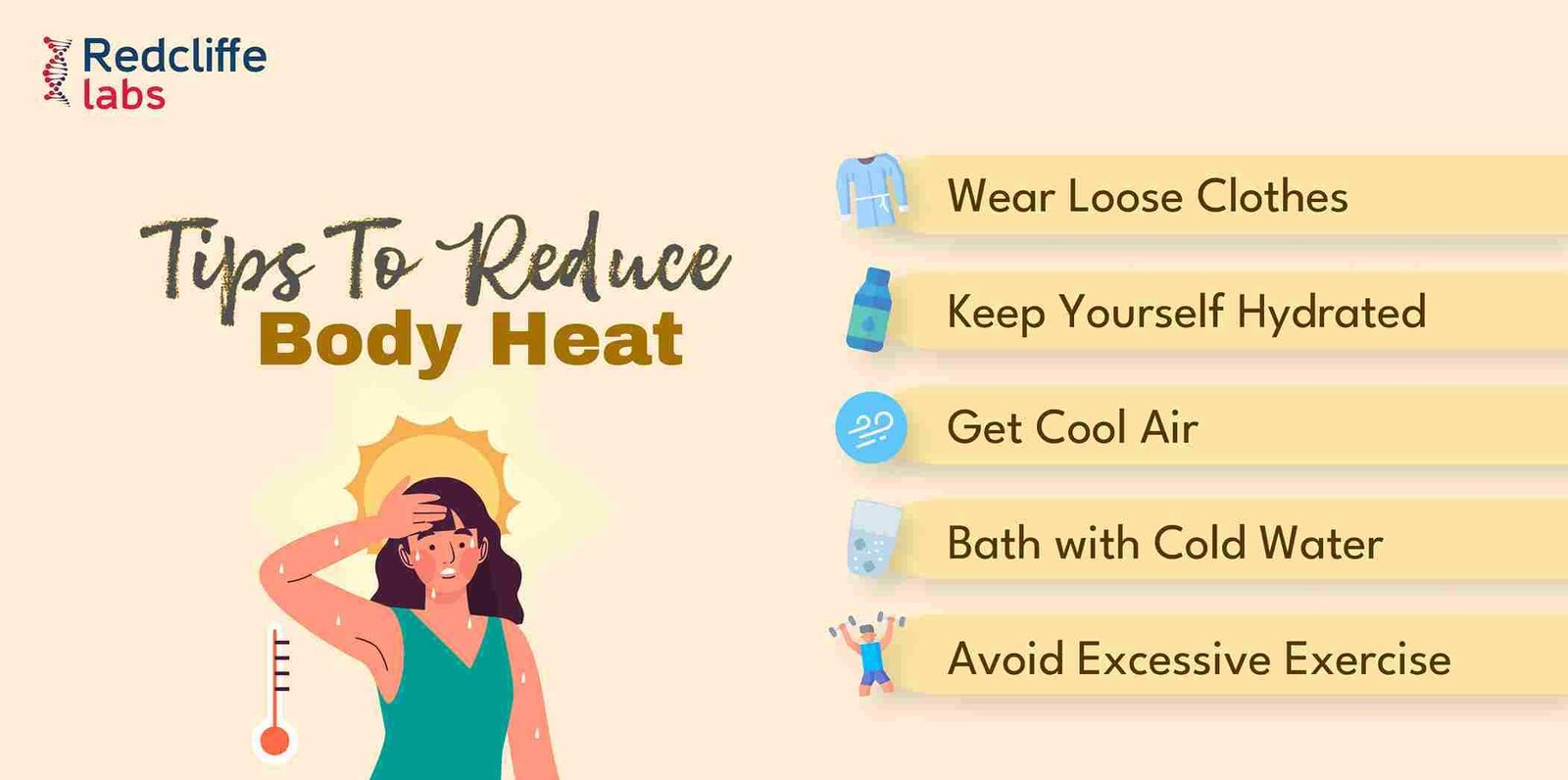
Stay cool and comfortable by understanding how to balance your body heat effectively. Quick tip: stay hydrated, wear breathable clothing, and keep your environment cool. These simple steps help regulate your internal temperature and prevent overheating or chills.
Balancing body heat is essential for maintaining overall health and comfort, especially during extreme weather or physical activity. When your body struggles to keep its temperature steady, it can lead to heat exhaustion, chills, or other health issues. Luckily, there are easy ways to help your body stay in the perfect temperature zone. From choosing the right clothing and staying hydrated to managing your environment, simple adjustments can make a big difference. Whether you’re dealing with hot summer days or cold winter nights, knowing how to maintain your body’s thermal balance can keep you feeling energized and comfortable all year round.

How to Balance Body Heat
Managing your body heat is important for staying comfortable and healthy. Whether you feel too hot or too cold, knowing how to balance your body temperature helps prevent health issues. In this guide, we will explore simple ways to keep your body temperature steady and avoid extremes.
Understanding How Your Body Regulates Heat
Your body constantly works to maintain a normal temperature around 98.6°F (37°C). This process is called thermoregulation. When you get hot, your body sweats to cool down. When you are cold, your body shivers to generate heat.
Multiple systems help control your body heat, including your skin, blood vessels, and sweat glands. These systems respond quickly to changes in your environment. Learning how they function helps you better manage your body heat.
Factors That Influence Body Temperature
Many factors can affect how your body manages heat. These include your activity level, clothing choices, age, health status, and the weather. Recognizing these factors helps you adapt to different situations more effectively.
For example, high humidity can make it harder for sweat to evaporate, keeping you hotter. Cold weather can cause your body to lose heat faster. Understanding these influences helps you take proactive steps to stay comfortable.
Recognizing Signs of Imbalanced Body Heat
It is important to notice how you feel to identify when your body heat is out of balance. Symptoms of being too hot include sweating, feeling dizzy, or having a rapid heartbeat. Feeling cold, shivering, or numbness are signs of being too cold.
Addressing these signs early prevents more serious health issues like heatstroke or hypothermia. Pay attention to your body’s signals and respond promptly to maintain balance.
Methods to Cool Down When Too Hot
Hydrate Properly
Drinking plenty of water helps your body cool itself through sweating. Avoid sugary or caffeinated drinks, as they can dehydrate you. Keep a water bottle handy, especially during hot days or intense activity.
Wear Appropriate Clothing
Choose loose, lightweight, and light-colored clothes. These help reflect sunlight and promote air circulation. Avoid heavy or dark fabrics that trap heat.
Find Shade or Air Conditioning
Stay in shaded areas or indoors with air conditioning when possible. Fans and ventilation help increase airflow and speed up cooling.
Use Cooling Techniques
- Apply a cool, damp cloth to your neck or wrists.
- Take a cool shower or bath to lower core temperature.
- Use a handheld fan to enhance evaporation of sweat.
Strategies to Warm Up When Too Cold
Layer Your Clothing
Wear multiple layers of clothing that trap heat, such as thermal shirts, sweaters, and jackets. Start with moisture-wicking base layers to keep sweat away from your skin.
Seek Shelter and Insulate
Find a warm place indoors or use blankets to insulate your body. Proper insulation prevents heat loss and keeps you cozy.
Consume Warm Foods and Drinks
Hot soups, teas, and warm beverages help raise your internal temperature. Avoid alcohol and caffeine, as they can lead to heat loss and dehydration.
Maintain Movement
Light physical activity, like walking or stretching, generates body heat. Avoid sedentary behavior that can cause your body temperature to drop.
Diet and Hydration Tips for Body Heat Balance
A balanced diet supports effective thermoregulation. Incorporate foods rich in water content like fruits and vegetables. Staying hydrated aids in sweating and heat dissipation.
Avoid heavy, greasy, or spicy foods that can increase internal heat. Instead, choose light, nutritious meals that help maintain your overall balance.
Environmental Adaptations and Lifestyle Changes
Adjust your daily routine to suit the weather. Wear sun protection like hats and sunglasses in hot weather. Use layers during cold seasons to easily adapt to changing temperatures.
Incorporate regular breaks during physical activities to prevent overheating. Strategically plan outdoor activities when the temperature is lower, such as early mornings or late evenings.
Home and Personal Care Tips
Keep your living space comfortable by using fans, heaters, or air conditioning. Proper ventilation ensures good air circulation, helping regulate indoor temperature.
Wear breathable fabrics and use lightweight bedding. Regularly check your environment for drafts or heat sources that could affect your comfort.
Monitoring and Using Technology to Track Body Heat
Wearable devices can monitor your body temperature in real time. Some smartwatches and fitness trackers alert you when your temperature is too high or too low.
Using these tools helps you make immediate adjustments to your clothing, activity level, or environment to maintain balance effectively.
Preventing Heat-Related and Cold-Related Illnesses
Stay mindful of extreme weather conditions. Recognize symptoms of heat exhaustion or hypothermia early. Taking preventive measures protects your health and comfort.
Always have emergency supplies like water, warm blankets, and appropriate clothing when traveling or spending time outdoors in extreme weather.
Summary of Key Tips for Balancing Body Heat
- Stay hydrated and eat light, water-rich foods.
- Wear suitable clothing based on the weather.
- Seek shade or shelter to stay cool or warm indoor environments as needed.
- Use cooling or heating techniques like baths, fans, or blankets.
- Monitor your body temperature with technology for effective adjustments.
By understanding your body’s responses and adjusting your habits and environment, you can effectively maintain a comfortable and healthy body temperature. Remember, small consistent steps can make a big difference in how you feel every day.
5 Proven Foods to Reduce Body Heat (& Foods to Avoid)
Frequently Asked Questions
What are some natural ways to regulate body temperature during hot weather?
To naturally regulate body temperature in hot weather, stay well-hydrated by drinking plenty of water throughout the day. Wear loose, lightweight, and light-colored clothing to reflect sunlight. Incorporate cooling foods like fruits and vegetables, and take breaks in shaded or air-conditioned areas. Applying a damp cloth to your forehead can also provide immediate relief and help cool your body.
How can diet influence maintaining a balanced body heat?
Eating foods that balance your body’s internal heat can make a significant difference. Include cooling foods such as cucumbers, melons, and mint, which help reduce internal heat. Avoid spicy or greasy foods that can increase body heat. Incorporating light, easily digestible meals prevents your body from overworking to digest heavy foods, aiding in better heat regulation.
What lifestyle habits support body heat balance during seasonal changes?
Adopt habits like maintaining regular physical activity in cooler parts of the day and ensuring sufficient sleep. Practice stress management techniques, as stress can affect your body’s thermal regulation. Also, dress appropriately for the weather, and avoid overexertion during the hottest parts of the day to prevent overheating. These habits help your body adapt smoothly to seasonal variations in temperature.
Final Thoughts
Balancing body heat is essential for maintaining overall health and comfort. Eating cooling foods like cucumbers and mint can help regulate internal temperature. Wearing appropriate clothing and staying hydrated also support temperature stability.
Regular physical activity boosts circulation, aiding the body’s ability to manage heat efficiently. Avoiding excessive exposure to heat or cold helps prevent imbalances that can lead to discomfort.
In conclusion, understanding how to balance body heat allows you to stay comfortable and healthy. Implement these simple strategies to keep your body temperature steady and maintain well-being daily.
As an Amazon Associate, We earn from qualifying purchases. When you purchase a product through Amazon links on pulsefitguide.com, we may earn a small commission at no extra cost to you. This helps support the site and keep our content free.