

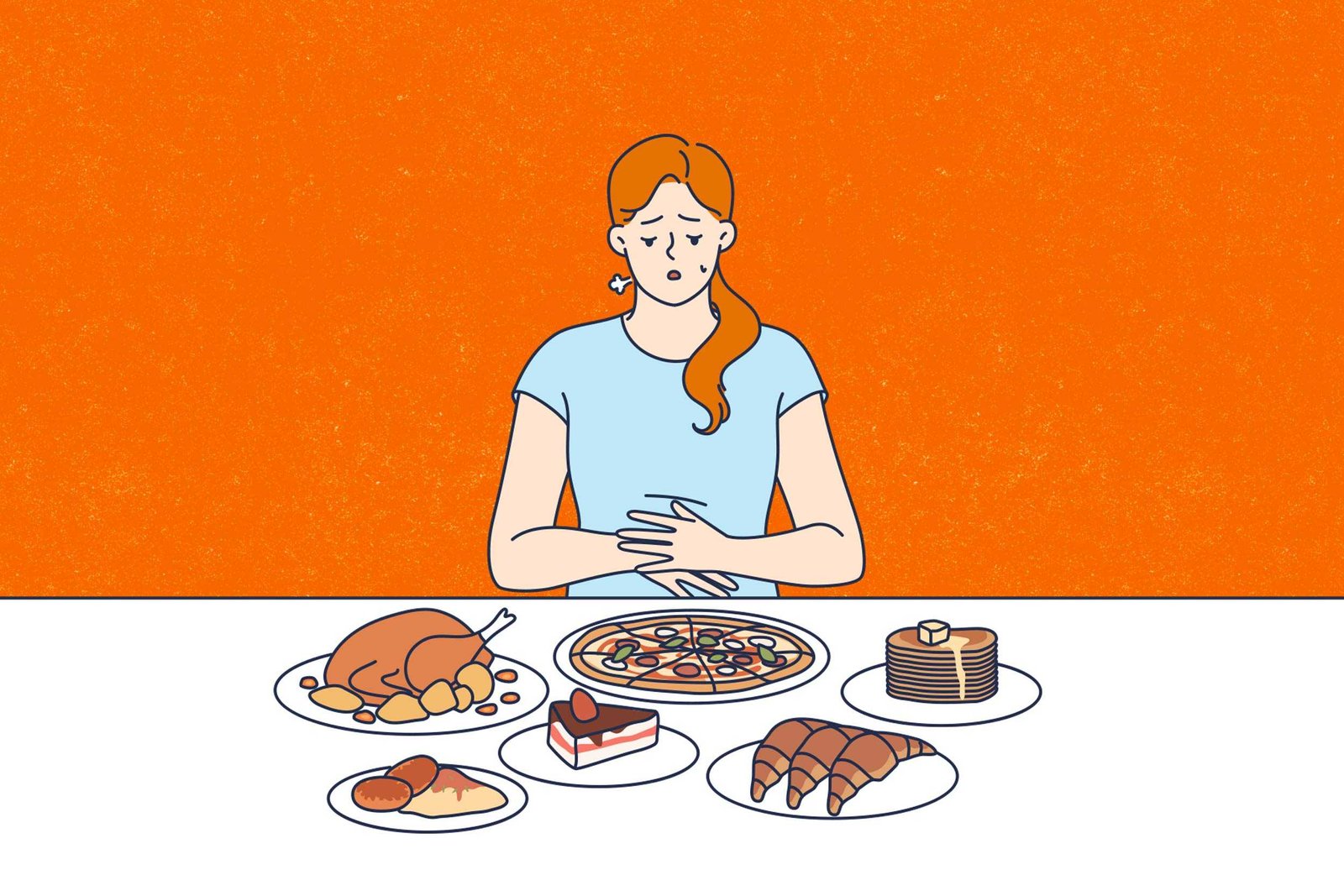
To avoid overeating during dinner, focus on mindful eating by savoring each bite and paying attention to your hunger cues. Fill your plate with balanced portions and eat slowly to give your brain time to register fullness. Keep distractions like TV or phones away during meals to prevent mindless overeating.
A simple way to prevent overeating at dinner is by controlling portion sizes and eating slowly, allowing your body to signal when you’re full. Being mindful during your meal and avoiding distractions can help you enjoy your food without going overboard. These small changes promote healthier eating habits and help maintain your weight.
Skipping straight to the point, overeating during dinner often happens because we’re distracted or don’t pay attention to our body’s signals. To keep portions in check, serve smaller amounts and take your time to eat. When you stay present and focused on your meal, you’ll naturally eat less and feel satisfied without feeling overly full.

How to avoid overeating during dinner
Understand why overeating happens at dinner
Many people tend to overeat during dinner because they are hungry after a long day. Stress and fatigue can also lead to mindless eating. Recognizing these triggers helps you become more aware and control your portion sizes better.
Set a realistic portion size
Before serving food, decide on a reasonable portion. Use smaller plates and bowls to make servings appear larger. This trick helps your brain feel satisfied without taking too much food.
Eat slowly and savor each bite
Taking time to chew slowly allows your body to recognize when it’s full. Put down your utensils between bites and enjoy the flavors. This practice can prevent you from eating more than you need.
Practice mindful eating
Mindful eating involves paying attention to your hunger cues and emotional state. Focus on eating without distractions like TV or phone screens. Notice how different foods make you feel to avoid overeating out of boredom or stress.
Include balanced meals in your dinner
A meal with healthy proteins, fiber, and healthy fats keeps you full longer. Incorporate vegetables, lean meats, nuts, and whole grains. Balanced meals reduce the urge to snack excessively afterward.
Drink plenty of water before and during dinner
Sometimes, thirst masks itself as hunger. Drinking a glass of water before eating can curb your appetite. Sipping water throughout your meal also makes you feel fuller.
Plan your meals ahead of time
Preparing dinner plans prevents impulsive eating. Knowing what and how much you will eat reduces the chance of overeating. Keep healthy snacks available for later if you get hungry after dinner.
Limit distractions during mealtime
Eating while watching TV or scrolling can lead to overeating because you don’t pay attention to how much you consume. Make dinner a focused activity to listen to your hunger signals.
Control emotional eating triggers
Many overeat when feeling stressed, anxious, or sad. Find alternative ways to cope such as walking, journaling, or talking to someone. Recognizing emotional triggers helps you avoid eating for reasons other than hunger.
Practice portion control with serving dishes
Serve food onto individual plates instead of family-style dishes. This avoids second servings and helps you stick to your planned portion sizes. Use measuring cups if necessary to learn proper serving sizes.
Choose high-fiber and protein-rich foods
Foods high in fiber and protein increase satiety and keep you full longer. Add beans, lentils, eggs, and vegetables to your dinner. These foods help reduce overall calorie intake.
Be mindful of liquid calories
Sugary drinks like soda or sweetened tea add calories without filling you up. Opt for water, herbal teas, or infused water to stay hydrated without overeating.
Establish a regular eating schedule
Eating meals at consistent times helps regulate your hunger. When you know when to expect dinner, your body adjusts, and you’re less likely to overeat when it arrives.
Use visual cues to control portion size
Compare portions with everyday objects, such as a deck of cards for meat or a tennis ball for fruits. Visual cues make it easier to estimate proper serving sizes without measuring.
Limit high-calorie and processed foods at dinner
Reduce intake of fried, sugary, and heavily processed foods. These foods often lead to overeating because they are less filling and more addictive.
Eat enough protein at lunch and throughout the day
Consuming sufficient protein earlier can curb your hunger come dinnertime. Include sources like chicken, fish, tofu, or yogurt in your meals.
Stay active during the day
Regular physical activity boosts your metabolism and helps control appetite. Even light exercises like walking or stretching after work can reduce the desire to overeat.
Recognize true hunger versus craving
Not all urges to eat mean you’re hungry. Distinguish between physical hunger and emotional or situational cravings. Respond to actual hunger with healthy options.
Use smaller utensils and chopsticks
Eating with smaller utensils slows down your meal pace. Taking more time to eat reduces the chances of overeating and helps your body signal fullness.
Include healthy snacks if needed
If you tend to get very hungry before dinner, incorporate light, healthy snacks. Fresh fruit, nuts, or yogurt can prevent overeating during the main course.
Reduce alcohol consumption during dinner
Alcohol can lower inhibitions and increase appetite. Limiting drinks helps you maintain better control over your eating habits.
Track your eating habits
Keep a food diary to monitor what and how much you eat during dinner. Tracking creates awareness and can identify patterns leading to overeating.
Eat more vegetables to fill your plate
Vegetables are low in calories but high in fiber and water. Filling half of your plate with vegetables can naturally limit calorie intake from other foods.
Be patient with change
Adjusting eating habits takes time. Celebrate small victories and stay consistent. Over time, these practices will help you enjoy dinners without overeating.
Proper planning, awareness, and mindful choices make a big difference in avoiding overeating during dinner. Incorporating these strategies into your routine can help you enjoy your meal and feel satisfied without excess.
Tips to stop binge eating!
Frequently Asked Questions
What strategies can help control portion sizes during dinner?
To manage portions, use smaller plates and bowls to naturally limit the amount of food you serve yourself. Fill half your plate with vegetables, which are low in calories but high in nutrients, to reduce overall intake. Avoid going back for seconds by setting aside an appropriate portion before you start eating, and focus on savoring each bite slowly to feel more satisfied with less food.
How does mindful eating reduce the risk of overeating?
Eating mindfully involves paying close attention to your hunger and fullness cues, which helps you recognize when you’re satisfied rather than stuffed. Take time to chew thoroughly and enjoy the flavors, making meals more satisfying. Removing distractions like screens allows you to focus solely on your food, preventing unconscious overeating and encouraging better portion control.
What role does meal planning play in preventing overeating at dinner?
Planning your meals ahead of time helps you make healthier choices and avoid impulsive eating. Decide on balanced portions and prepare your ingredients beforehand, so you are less tempted to indulge excessively. Having a structured plan reduces the likelihood of grabbing extra servings or indulging in unhealthy snacks during dinner.
How can drinking water before and during dinner help in avoiding overeating?
Consuming a glass of water before sitting down to eat can help you feel full sooner, reducing your appetite. Drinking water throughout your meal keeps you hydrated and can also create a sense of fullness, encouraging you to eat less. Sometimes, what feels like hunger actually stems from dehydration, so staying well-hydrated helps you listen to your body’s true signals.
What habits can I adopt to stay on track with my dinner intake?
Establish a consistent eating schedule to prevent excessive hunger that leads to overeating. Avoid eating directly from packages or containers, which can make it difficult to monitor portion sizes. Incorporate healthy snacks earlier in the day if you know you’ll be having a substantial dinner, so you’re not overly hungry when it’s time to eat. Additionally, eating slowly gives your body time to register fullness, helping you stop before overeating occurs.
Final Thoughts
How to avoid overeating during dinner involves mindful eating and portion control. Eat slowly and pay attention to your hunger cues to prevent consuming more than needed. Use smaller plates and serve modest portions to help manage intake. Lastly, avoid distractions like screens, allowing you to focus on your food and recognize when you’re full. These simple steps can make a significant difference in maintaining a healthy eating pattern.
As an Amazon Associate, We earn from qualifying purchases. When you purchase a product through Amazon links on pulsefitguide.com, we may earn a small commission at no extra cost to you. This helps support the site and keep our content free.