

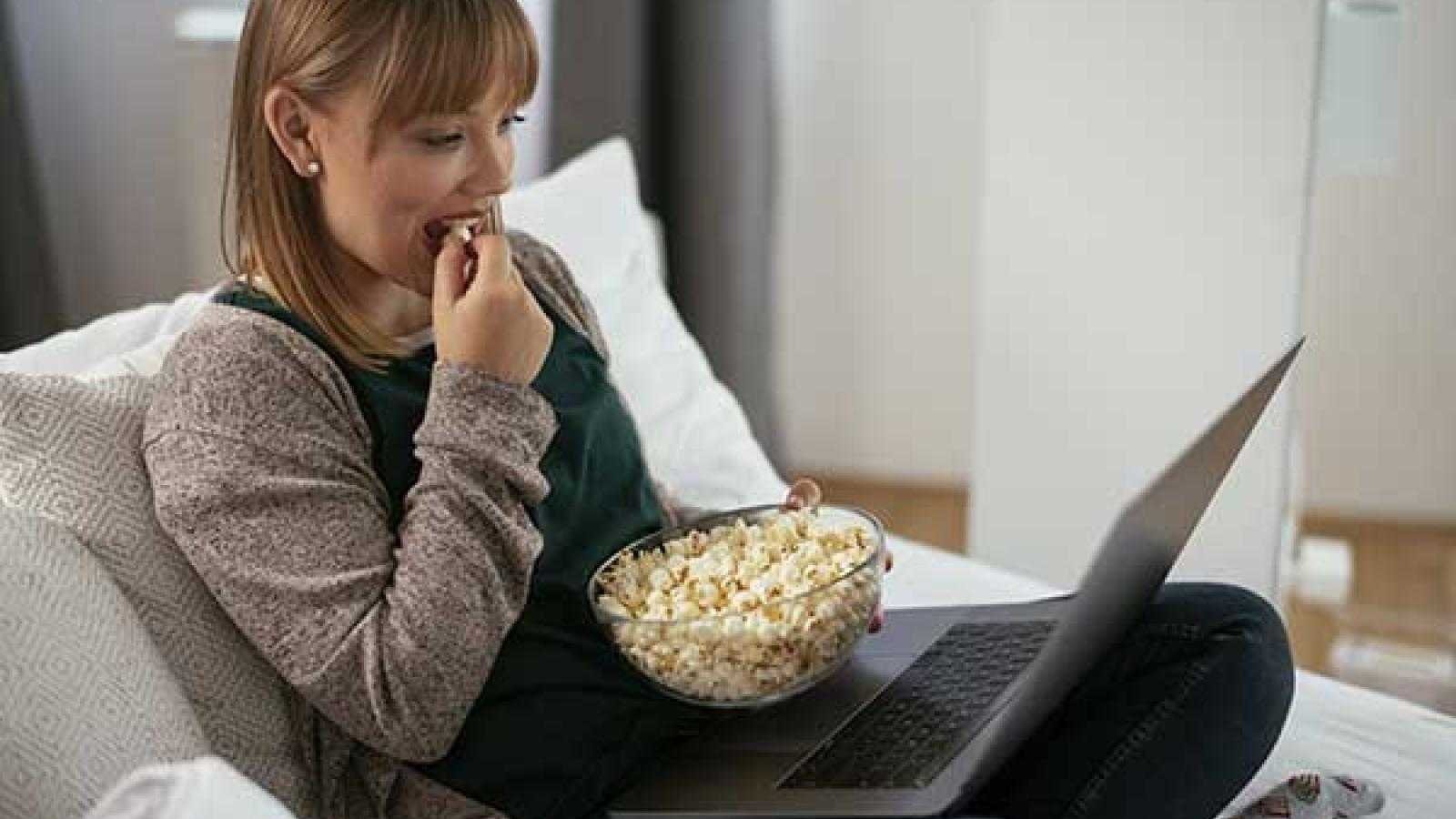
To steer clear of late-night eating or emotional snacking, fill your evenings with engaging activities, keep nutritious snacks handy, and address emotional triggers proactively. Staying busy and mindful can curb impulses, while understanding your emotions can help you find healthier outlets for stress or boredom.
In short, avoiding late-night eating requires establishing a routine that keeps you occupied and emotionally balanced. Preparing healthy alternatives and managing stress effectively are key to preventing impulsive snacking after hours. By making small adjustments to your habits and mindset, you can enjoy more restful nights and better overall wellbeing.
Sauter des encas nocturnes ou émotionnels se résume à créer une routine qui vous occupe et vous apaise. En adoptant des comportements sains et en gérant votre stress, vous pouvez réduire la tentation de grignoter tard et améliorer la qualité de votre sommeil. Il s’agit surtout d’être à l’écoute de ses émotions et d’intégrer des activités positives dans votre soirée.

How to avoid late night eating or emotional snacking
Understanding Why You Snack Late at Night
Many people find themselves reaching for snacks after dinner. This behavior can happen for different reasons like boredom, stress, or even habit. Recognizing why you snack late can help you make better choices.
Some common causes include emotional feelings such as loneliness or anxiety. Others happen because of physical hunger that wasn’t satisfied during the day. Understanding your reasons helps you identify the right ways to stop late night snacking.
How Emotional Factors Influence Your Snacking Habits
Emotional eating happens when you use food to feel better. During stressful or sad times, you might crave comfort foods. This type of snacking does not usually satisfy hunger but temporarily eases your feelings.
To deal with emotional snacking, you need to find other ways to handle your feelings. Activities like talking to a friend, practicing deep breathing, or journaling can help you cope better without turning to food.
Tips for Managing Stress Without Turning to Food
Stress often triggers late night eating. Finding healthy ways to relax can greatly reduce your urge to snack. Try activities like listening to calming music, doing gentle yoga, or taking a warm bath.
Setting aside time for relaxing hobbies such as reading or drawing can also help. When you feel stressed, pause and ask yourself if you are truly hungry or just emotional. Learning to differentiate the two is key in stopping late night snacking.
Creating a Nighttime Routine to Prevent Snacking
Having a structured bedtime routine can prevent late night cravings. Regular sleep patterns help your body understand when it’s time to rest and stop feeling hungry.
Try activities such as brushing teeth, reading a book, or listening to soothing sounds before bed. Keeping yourself busy with relaxing tasks can divert your mind from food and reduce urges to snack.
Ensuring Adequate Nutrition During the Day
Eating well-balanced meals throughout the day helps prevent late night hunger. Include proteins, healthy fats, and fiber in your meals to stay full longer.
Skipping meals or going too long without food can lead to intense cravings at night. By maintaining proper nutrition, your body gets the energy it needs, decreasing the likelihood of emotional or late night eating.
Choosing Healthy Snacks for When You Are Truly Hungry
If you feel hungry late at night, choose nutritious snacks instead of junk food. Fresh fruits, vegetables, nuts, or yogurt are good options. These foods nourish your body and keep you satisfied longer.
Avoid high-sugar or highly processed snacks that can spike your blood sugar and cause more cravings. Planning healthy options in advance ensures you don’t reach for less nutritious choices when hunger strikes.
Staying Hydrated to Reduce Cravings
Sometimes, feelings of hunger are actually signs of dehydration. Drinking enough water throughout the day and evening can reduce the urge to snack.
Have a glass of water when cravings hit. Herbal teas or flavored water with slices of fruit can also be soothing and help you stay hydrated without extra calories.
Addressing Sleep Issues to Reduce Late Night Snacking
Poor sleep can increase hunger hormones and make you crave unhealthy snacks. Getting enough quality sleep is essential in managing late night eating habits.
Establishing a consistent sleep schedule and creating a calm sleep environment helps. Avoid screens and caffeine before bed, and aim for at least seven hours of restful sleep each night.
Replacing Snacking with Engaging Activities
When the urge to snack hits, try distracting yourself with activities that don’t involve food. Reading, puzzles, or knitting can keep your hands and mind busy.
Physical activity like a gentle walk or stretching can also cut down cravings. Keeping yourself occupied reduces the temptation to snack emotionally or out of boredom.
Using Mindfulness to Control Late Night Eating
Practicing mindfulness helps you become more aware of your eating habits. Before you eat, pause to ask if you’re truly hungry or just craving comfort.
Slow down while eating and savor each bite. This practice helps you enjoy your food and recognize fullness, preventing unnecessary late night snacking.
Building Support Systems and Setting Goals
Sharing your goals with friends or family provides accountability. Support from others can motivate you to stick to healthier routines.
Set clear, achievable goals such as eating only at designated meal times or limiting late night snacks to a small healthy portion. Celebrate your progress to stay encouraged.
Tracking Your Eating Habits
Keeping a food diary helps you understand your snacking patterns. Record when, what, and why you snack late at night.
Reviewing your diary reveals triggers and habits that need changing. This awareness is a vital step toward developing healthier nighttime routines.
Creating a Comfortable Environment for Better Sleep and Reduced Snacking
A cool, dark, and quiet bedroom promotes restful sleep. Removing tempting snacks from your sleeping area can reduce late night urges.
Use blackout curtains, comfortable bedding, and keep your phone out of reach. A relaxing environment signals your body it’s time to wind down, not eat.
Addressing Underlying Medical Conditions
If emotional or physical health issues influence your snacking habits, consult a healthcare professional. Conditions like depression, anxiety, or hormonal imbalances can affect hunger and mood.
Proper treatment and support can help manage these underlying factors, making it easier to control late night eating.
Avoiding late night eating and emotional snacking involves understanding your habits, managing stress, and developing healthy routines. Implementing these strategies gradually helps you build better habits that last. When you pay attention to your body’s signals and create a supportive environment, you naturally reduce the urge to snack late at night. Remember, small consistent changes can lead to healthier habits over time, making your journey easier and more sustainable.
Therapist Explains Why You Can't Stop Eating in the Evenings
Frequently Asked Questions
What strategies can help reduce cravings for nighttime snacks?
To minimize cravings for late-night snacks, focus on maintaining balanced meals throughout the day that contain sufficient protein, fiber, and healthy fats. Staying hydrated can also help curb unnecessary hunger. Additionally, establishing a consistent eating schedule prevents extreme hunger at night, reducing the urge to snack impulsively. Engaging in relaxing activities before bedtime can shift your focus away from eating and create a calming routine.
How can managing stress levels prevent emotional eating in the evening?
High stress often triggers emotional eating, especially at night. Incorporate stress-relief techniques such as mindfulness meditation, deep breathing exercises, or gentle physical activity like walking into your daily routine. Identifying emotional triggers allows you to develop healthier coping mechanisms, like journaling or talking with a friend. Creating a calming bedtime environment also helps reduce anxiety and the temptation to seek comfort in food.
What changes can I make in my evening routine to avoid the habit of snacking late at night?
Adjust your evening routine to include activities that keep you occupied and distract you from snacking, such as reading, practicing a hobby, or doing light stretching. Establish a fixed dinner time and avoid eating close to bedtime to prevent late-night hunger. Preparing healthy, satisfying alternatives beforehand encourages mindful eating. Also, ensure you get enough sleep, as fatigue can increase the likelihood of late-night snacking.
Are there specific foods I should avoid to prevent late-night eating urges?
Limit foods high in sugar, refined carbs, and caffeine in the evening, as they can spike your energy levels and cause cravings later. Avoid heavy or greasy foods that may disturb your digestion or cause discomfort at bedtime. Instead, opt for balanced, nutritious snacks if needed, such as a small handful of nuts or fresh fruit, to satisfy hunger without stimulating overeating.
How can setting boundaries around eating times help resist emotional snacking?
Set clear cut-off times for meals and snacks to create structure and reinforce healthy habits. Listening to your body’s hunger signals and adhering to scheduled eating times reduce the likelihood of impulsive snacking. Communicate these boundaries to those around you to support your commitment. Over time, this consistency builds discipline and decreases emotional or late-night eating tendencies.
Final Thoughts
To avoid late night eating or emotional snacking, establish a relaxing evening routine to reduce stress and cravings. Keep healthy snacks nearby so you can make better choices if hunger strikes. Stay busy with hobbies or gentle activities that distract your mind from emotional triggers. Consistently following these steps helps break the cycle of late night eating habits and promotes healthier habits overall.
As an Amazon Associate, We earn from qualifying purchases. When you purchase a product through Amazon links on pulsefitguide.com, we may earn a small commission at no extra cost to you. This helps support the site and keep our content free.