

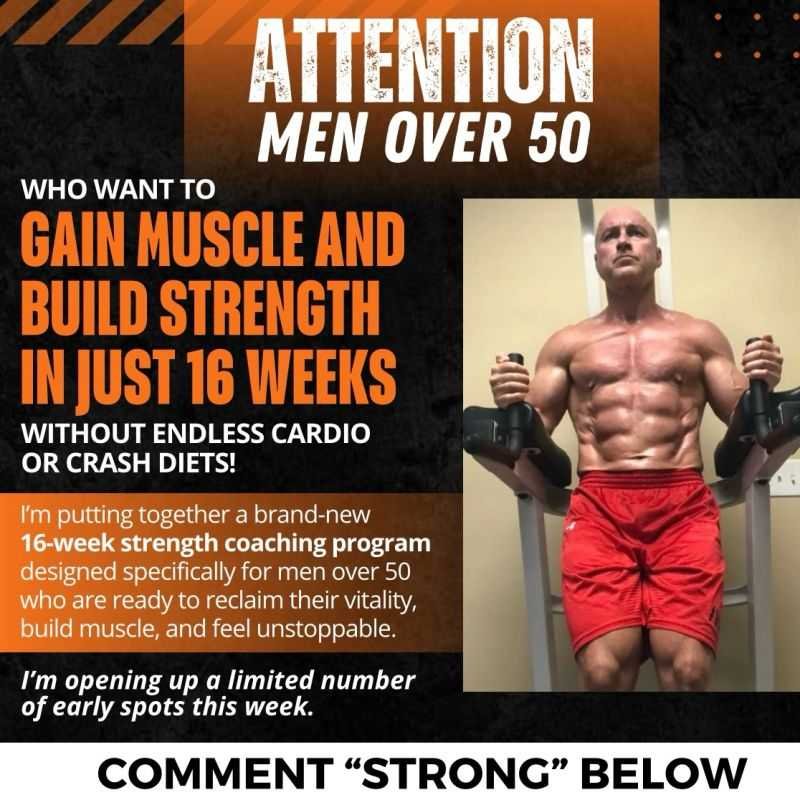
To avoid crash diets that can harm men over 50, focus on balanced eating and steady weight loss instead of extreme restrictions. Prioritize nutrient-dense foods, stay active, and consult healthcare professionals to create a sustainable plan. This approach ensures safe weight management that supports overall health and well-being.
Choosing the right weight loss strategy after 50 is crucial because rapid dieting can lead to muscle loss, nutrient deficiencies, and metabolic slowdown, all of which pose risks for men in this age group. Instead of quick fixes, adopting gradual lifestyle changes helps maintain muscle mass, boosts energy, and promotes long-term health. It’s essential to listen to your body, incorporate a variety of wholesome foods, and seek expert guidance to develop a safe and effective plan that respects your body’s needs and limits. Remember, patience and consistency are key to achieving lasting results without compromising your health.

How to avoid crash diets that harm men over 50
Understanding the Risks of Crash Diets for Men Over 50
Crash diets often promise quick weight loss, but they can pose serious health risks for men over 50. As men age, their bodies become less efficient at processing drastic calorie reductions. This can lead to muscle loss, nutritional deficiencies, and a weakened immune system.
Moreover, crash diets can slow down metabolism, making it harder to maintain weight loss long-term. For men over 50, it’s crucial to prioritize sustainable routines instead of quick fixes. Recognizing these risks helps men make informed decisions about their health and weight management.
Why Men Over 50 Are More Vulnerable to Dietary Harm
Men over 50 experience natural changes in their bodies that make extreme dieting more dangerous. Decreased muscle mass and bone density mean that rapid weight loss can result in significant muscle depletion.
Additionally, hormonal shifts like lower testosterone levels can impact energy levels and mood. Nutritional deficiencies from crash diets can further weaken bones and impair cognitive function. Understanding these vulnerabilities emphasizes the need for balanced, nutritious approaches to weight loss.
Key Components of a Healthy Weight Loss Plan for Men Over 50
A safe weight loss plan should focus on gradual changes that support overall health. Prioritize a diet rich in lean proteins, whole grains, healthy fats, fruits, and vegetables.
Include regular physical activity tailored to individual capabilities, such as walking, swimming, or resistance training. Staying well-hydrated and getting enough sleep are equally important for effective weight management.
Building a Balanced Diet: The Foundation for Safe Weight Loss
A well-rounded diet provides essential nutrients needed for aging bodies. Focus on incorporating foods high in fiber, vitamins, and minerals to prevent deficiencies.
Avoid highly restrictive or fad diets that eliminate entire food groups. Instead, aim for moderation and variety to ensure your body gets what it needs for energy and muscle maintenance.
Protein: The Key to Preserving Muscle Mass
Protein supports muscle health and aids in fat loss. Men over 50 should include lean sources like chicken, fish, tofu, beans, and eggs in their meals.
Aim for at least 1 gram of protein per kilogram of body weight daily to prevent muscle loss during weight reduction. Spread protein intake evenly throughout the day for optimal absorption.
Carbohydrates and Fats: Fuel for the Body
Choose complex carbohydrates like oats, brown rice, and sweet potatoes instead of simple sugars to maintain steady energy levels. Healthy fats from sources such as avocados, nuts, and olive oil support brain health and hormone balance.
Limit saturated fats and avoid trans fats, which can increase the risk of cardiovascular disease—a common concern for men over 50.
Incorporating Safe and Effective Exercise Routines
Exercise is a vital part of healthy weight management. Focus on low-impact activities like walking, cycling, or swimming to reduce joint stress.
Strength training helps preserve muscle mass and boost metabolism. Aim for at least two resistance sessions per week, targeting major muscle groups.
Benefits of Regular Physical Activity
Consistent exercise can improve cardiovascular health, enhance mood, and increase energy levels. It also aids in maintaining bone density, reducing osteoporosis risk.
Mix aerobic exercises with strength training for balanced fitness. Always consult a healthcare provider before starting new physical routines.
Understanding the Importance of Portion Control and Consistency
Eating moderate portions helps prevent overeating and promotes a gradual, sustainable weight loss. Use smaller plates and serve smaller portions of calorie-dense foods.
Establishing consistent eating patterns supports digestion and avoids unnecessary hunger spikes. Focus on regular meal times to help regulate blood sugar and prevent impulsive snacking.
Monitoring Progress Without Falling into the Diet Trap
Track your progress through simple methods like weekly weigh-ins or body measurements. However, avoid obsessing over every fluctuation.
Pay attention to other indicators like increased energy, improved mobility, or clothing fit. These signs often reflect health improvements beyond just weight loss.
Seeking Professional Support for Long-term Success
Consulting a healthcare provider or registered dietitian can create a personalized plan. They can help identify any nutritional gaps or health concerns before starting a weight loss program.
Professional guidance ensures that your approach is safe and effective, especially when managing chronic health conditions common after 50.
Addressing Emotional and Psychological Aspects of Weight Loss
Weight management is not only physical but also emotional. Practice mindful eating to recognize true hunger and avoid emotional triggers.
Seek support from friends, support groups, or mental health professionals if needed. Building a positive mindset is essential for maintaining healthy habits.
Common Mistakes to Avoid During Weight Loss After 50
Avoid skipping meals or drastically cutting calories, which can backfire and cause rebound weight gain. Do not rely solely on supplements or fad diets.
Skip extreme restrictions and focus on balanced nutrition. Remember that sustainable changes lead to lasting results.
The Role of Hydration and Sleep in Healthy Weight Loss
Proper hydration supports digestion and prevents false hunger cues. Aim to drink at least 8 glasses of water daily.
Quality sleep helps regulate hormones that control hunger and fullness. Aim for 7 to 8 hours per night to support overall health and weight goals.
Additional Tips for Success
- Set realistic goals based on your body’s capabilities
- Celebrate small victories to stay motivated
- Limit alcohol intake, as it adds empty calories
- Avoid fast foods and processed snacks that are high in sugar and unhealthy fats
Employing these practical strategies helps keep your weight loss journey safe, effective, and tailored to your needs.
Related Topics to Explore
- Bone health and nutrition for men over 50
- Managing hormonal changes naturally
- Effective exercises for joint health
- Preventing age-related muscle loss through diet and activity
- Tips for improving mental health during weight loss journeys
The Ultimate Secret to Fast Weight Loss Without Downsides
Frequently Asked Questions
What are effective alternatives to crash diets for sustainable weight loss in men over 50?
Men over 50 should focus on adopting balanced eating habits that emphasize nutrient-dense foods, such as vegetables, lean proteins, and whole grains. Incorporating regular physical activity and maintaining consistent meal patterns help promote gradual weight loss. Consulting with healthcare professionals can also tailor a plan that aligns with individual health needs, ensuring sustainable progress without risking health.
How can men over 50 manage their nutritional intake to avoid deficiencies while dieting?
To prevent deficiencies, men over 50 should include a variety of foods that provide essential vitamins and minerals. Incorporate foods rich in calcium, vitamin D, and omega-3 fatty acids, and consider supplements if recommended by their healthcare provider. Regular blood tests can help monitor nutrient levels, allowing adjustments to the diet to support overall health and well-being.
What lifestyle changes should men over 50 make to support healthy weight management?
Men over 50 should prioritize consistent physical activity, such as walking, strength training, or swimming, tailored to their fitness level. Reducing stress through mindfulness practices, ensuring adequate sleep, and avoiding fad dieting trends also aid in maintaining a healthy weight. Developing a routine that combines these habits promotes long-term health and prevents the negative effects of crash dieting.
Why is gradual weight loss preferable to crash dieting for men over 50?
Gradual weight loss helps preserve muscle mass, maintain metabolic rate, and reduces the risk of nutritional deficiencies. It allows the body to adjust safely to changes, minimizes feelings of deprivation, and supports the development of sustainable habits. For men over 50, this approach lowers the likelihood of adverse health effects associated with rapid weight changes.
How can men over 50 stay motivated and accountable during their weight management journey?
Setting realistic goals and tracking progress can boost motivation. Sharing goals with friends, family, or support groups provides accountability. Celebrating small achievements and focusing on overall health improvements keeps the journey positive. Consulting healthcare providers or nutritionists for guidance and encouragement also supports sustained commitment.
Final Thoughts
Avoid crash diets that harm men over 50 by focusing on gradual weight loss and balanced nutrition. Prioritize nutritious foods over drastic calorie cuts to support muscle and energy levels. Consult healthcare professionals to create sustainable plans that suit your age and health needs. Staying consistent with lifestyle changes helps maintain long-term results and overall well-being.
As an Amazon Associate, We earn from qualifying purchases. When you purchase a product through Amazon links on pulsefitguide.com, we may earn a small commission at no extra cost to you. This helps support the site and keep our content free.