

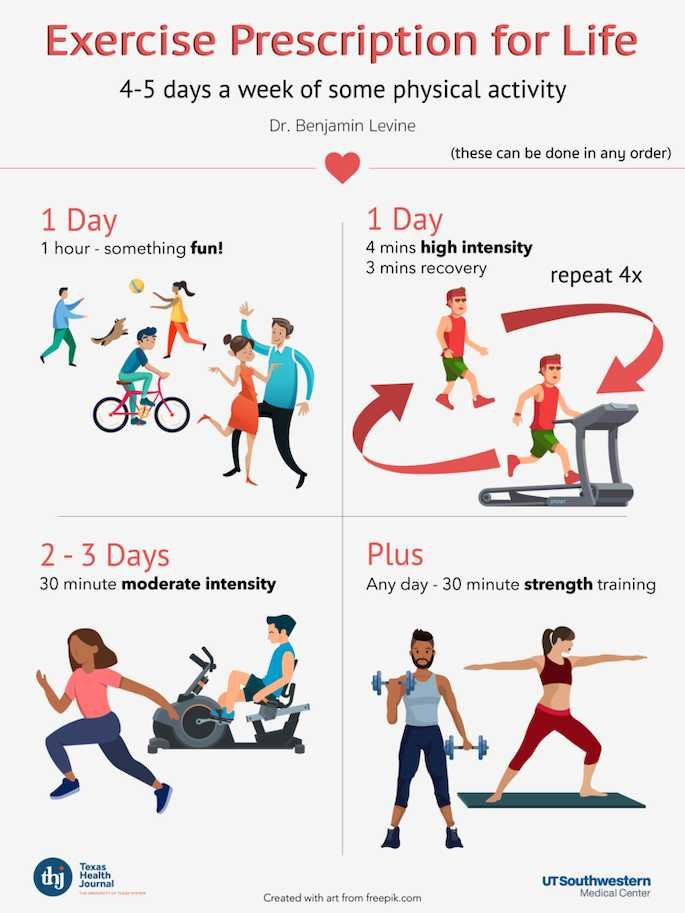
You can start noticing improvements in your heart health in just a few weeks of consistent cardio exercise. The key is regularity—engaging in aerobic activities like running, cycling, or swimming a few times a week can make a noticeable difference surprisingly quickly. Most people experience better cardiovascular endurance, lower blood pressure, and improved circulation within 4 to 6 weeks, although some benefits, like reduced cholesterol levels, may take a bit longer. The good news is that your efforts don’t have to be extreme; even moderate, consistent cardio can boost your heart health effectively. Staying committed and making cardio a regular part of your routine will yield faster results than sporadic workouts, so the sooner you start, the sooner your heart reaps the benefits.

How Quickly Does Cardio Improve Heart Health?
Understanding the Impact of Cardio on Heart Health
Cardio exercise, also known as aerobic exercise, plays a vital role in strengthening the heart muscle. When you engage in activities like running, cycling, or swimming, your heart beats faster, pumping more blood throughout your body. Over time, this helps improve your heart’s efficiency and overall health.
Research shows that even short-term cardio workouts can start making a difference. Within just a few weeks, many people notice improvements in their cardiovascular fitness. But how quickly can you really expect your heart health to benefit from regular cardio? Let’s explore this topic in detail.
How Soon Can You Notice Improvements?
Most individuals experience noticeable changes in their heart health within four to six weeks of consistent cardio exercise. These changes include lower blood pressure, reduced resting heart rate, and better circulation. The key is maintaining a regular workout schedule without long gaps of inactivity.
For some, initial benefits may appear even sooner. In as little as ten days, you might observe small improvements, especially in blood pressure and energy levels. These early gains pave the way for more significant long-term health benefits with continued effort.
The Timeline of Cardio Benefits for Heart Health
Understanding the timeline can help set realistic expectations. Here’s what you might expect at different intervals:
| Time Frame | Expected Benefits |
|---|---|
| Within 1 Week | Initial mood boost and slight decrease in resting heart rate |
| 2-3 Weeks | Reduced blood pressure and improved blood circulation |
| 4-6 Weeks | Significant improvements in endurance, heart muscle strength, and lipid profile |
| 3 Months and Beyond | Long-lasting heart health, lower risk of cardiovascular disease, and increased energy |
The Role of Exercise Intensity and Duration
The speed of improvements depends partly on how hard and how often you work out. Moderate-intensity cardio sessions lasting at least 150 minutes weekly can yield quick benefits. Higher-intensity workouts may accelerate improvements but should be approached cautiously to avoid injury.
For beginners, starting slow with walking or gentle cycling can yield measurable benefits within a few weeks. As your fitness improves, gradually increasing the duration and intensity will enhance your heart health faster.
Other Factors Influencing Heart Health Improvements
Several elements can influence how quickly cardio benefits your heart:
- Age: Younger individuals often see faster improvements due to better baseline fitness.
- Genetics: Genetic predispositions can affect response times to exercise.
- Nutrition: A healthy diet supports exercise benefits and speeds up recovery.
- Consistency: Regular activity is essential; inconsistent workouts slow progress.
How Cardio Changes Your Heart at a Cellular Level
Cardio exercise causes biological changes that improve heart health. It strengthens the heart muscle, improves blood vessel elasticity, and increases the number of tiny blood vessels called capillaries. These changes happen gradually and lead to better oxygen delivery and reduced strain on your heart.
Within weeks, your body starts producing more mitochondria, the energy producers in cells, which enhances endurance. The improved blood flow reduces blood pressure and lowers the risk of blockages and heart disease.
Measuring Your Progress and Benefits
Keeping track of your progress helps you understand how quickly your heart benefits from cardio. Common measurements include:
- Resting Heart Rate: A lower resting heart rate indicates a stronger heart.
- Blood Pressure: Decreases reflect healthier arteries and reduced strain.
- Endurance Levels: Ability to exercise longer or at higher intensities shows improved heart capacity.
- Blood Lipid Levels: Reductions in LDL cholesterol and increases in HDL help protect your heart.
Regular check-ups with a healthcare professional can help monitor these metrics and assess improvements over time.
Tips to Maximize Cardio’s Effectiveness on Heart Health
To see faster and more significant results, consider these tips:
- Start Slowly: Gradually increase duration and intensity to build endurance safely.
- Mix Up Your Workouts: Incorporate different types of cardio to challenge your heart in various ways.
- Stay Consistent: Aim for at least 3 to 5 sessions weekly for steady progress.
- Fuel Properly: Maintain a balanced diet rich in heart-healthy foods like fruits, vegetables, and whole grains.
- Get Adequate Rest: Allow your body to recover to prevent injury and improve performance.
Common Myths About How Quickly Cardio Benefits the Heart
Many believe that improvements happen overnight, which isn’t true. While some early benefits occur within days, lasting heart health changes take time. Patience and consistency are essential for long-term success.
Another myth is that high-intensity workouts are always better. In reality, starting with moderate exercise and gradually increasing intensity is safer and more effective, especially for beginners.
Incorporating Cardio into a Heart-Healthy Lifestyle
Cardio exercise should complement other healthy habits. Combine it with a balanced diet, stress management, adequate sleep, and avoiding smoking. This holistic approach enhances and sustains the benefits achieved through cardio.
Additionally, working with a fitness professional can help tailor a program suitable for your current fitness level and health status, speeding up improvements.
Summary of Key Points
- Initial improvements in heart health can be seen within a few weeks of regular cardio exercise.
- Most noticeable benefits happen between four to six weeks.
- Consistent, moderate-intensity workouts are effective and safe for building heart strength.
- Factors such as age, genetics, diet, and exercise consistency influence how quickly your heart benefits.
- Tracking changes in your resting heart rate and blood pressure helps measure progress.
By staying committed, you can enjoy the positive effects of cardio on your heart sooner than you might expect. With time, these small steps lead to a healthier, stronger heart and a better quality of life.
Frequently Asked Questions
How soon can I expect to see improvements in my cardiovascular fitness after starting a regular cardio routine?
Most people notice initial improvements in their cardiovascular endurance within about two to four weeks of consistent cardio exercise. These early gains often include increased stamina, better lung capacity, and a more efficient heart. The timing varies based on your current fitness level, exercise intensity, and frequency, but regular activity generally leads to noticeable progress within this timeframe.
What changes occur in heart health after several weeks of consistent cardio workouts?
After six to eight weeks of regular cardio exercise, your heart becomes stronger and more efficient at pumping blood. You may experience lower resting heart rates, improved blood circulation, and healthier blood pressure levels. These changes reduce the risk of cardiovascular disease and help your heart function better during physical activity and rest.
How quickly can I expect my cholesterol levels to improve with cardio exercise?
Cholesterol levels typically respond to regular cardio within about four to six weeks. Engaging in activities like brisk walking, running, or cycling helps increase HDL (good cholesterol) and reduce LDL (bad cholesterol). Consistent exercise, combined with a healthy diet, supports long-term cholesterol management and overall heart health.
Is there a difference in how quickly cardio benefits different age groups?
Yes, age influences the rate at which cardio benefits appear. Younger individuals often experience faster improvements due to more flexible cardiovascular systems. Older adults might see gradual benefits over a longer period, but consistent activity still significantly enhances heart health. Regardless of age, regular cardio offers meaningful health advantages over time.
Can I see rapid improvements in heart health if I increase my workout intensity?
Increasing workout intensity can lead to quicker improvements in heart health, provided you do so safely. Higher-intensity cardio sessions challenge the heart more, promoting faster cardiovascular adaptations. However, it’s essential to increase intensity gradually and listen to your body to avoid injury or overexertion. With safe progression, you may notice benefits within a few weeks.
Final Thoughts
How quickly does cardio improve heart health? Results vary based on individual effort and consistency. Generally, noticeable improvements can occur within a few weeks of regular exercise.
Engaging in cardio activities like running, cycling, or swimming boosts heart efficiency and circulation. Staying committed ensures steady progress and better long-term health.
In conclusion, cardio can enhance heart health rapidly with consistent effort. The question of how quickly does cardio improve heart health depends largely on dedication, but positive changes often start within weeks.
As an Amazon Associate, We earn from qualifying purchases. When you purchase a product through Amazon links on pulsefitguide.com, we may earn a small commission at no extra cost to you. This helps support the site and keep our content free.