

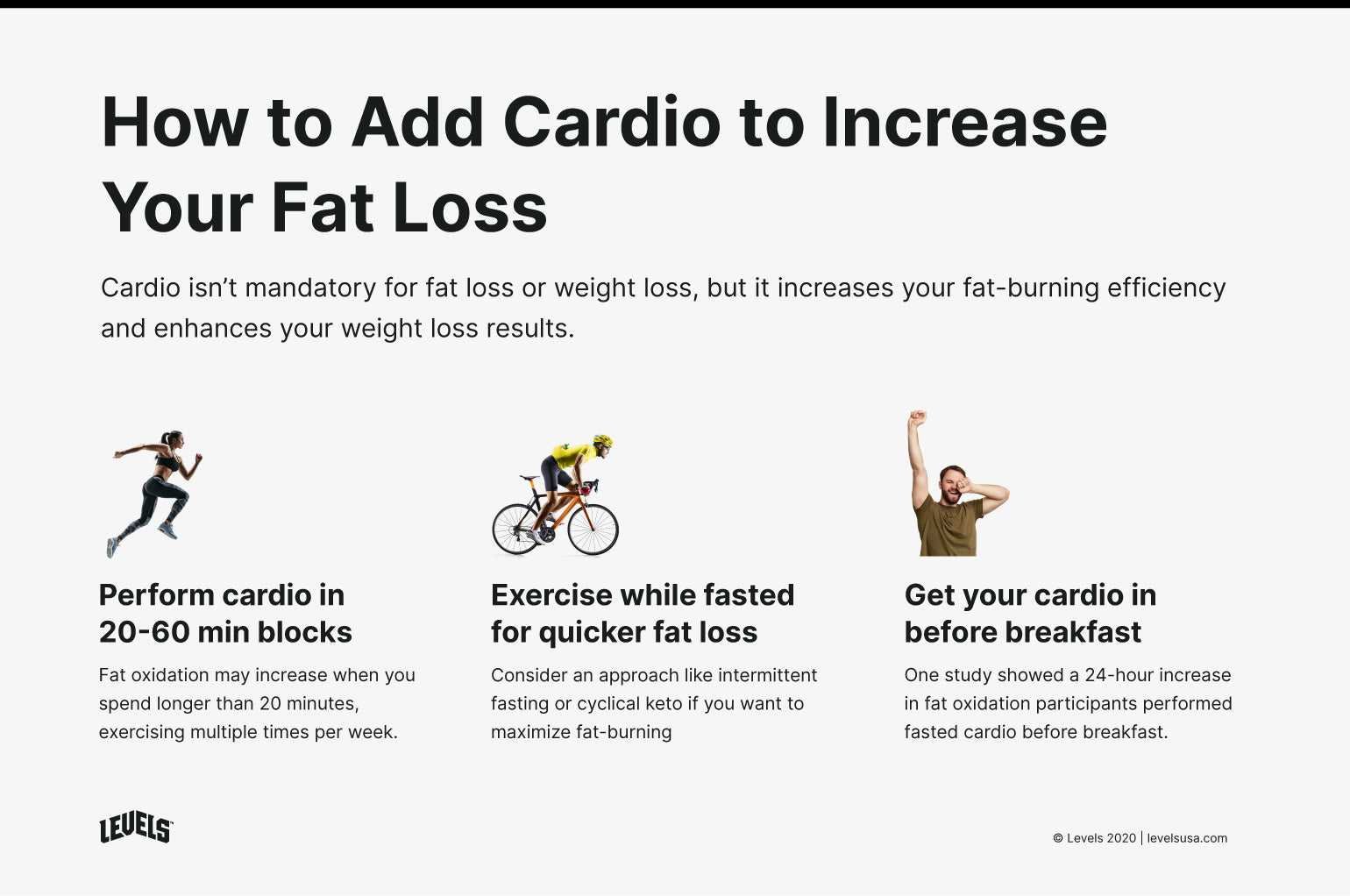
For most people, doing cardio 3 to 5 times a week is ideal to stay healthy and fit. The key is consistency and listening to your body. Whether you’re aiming to burn calories, improve endurance, or boost your mood, regular cardio sessions can make a big difference.
In short, aim for about 150 minutes of moderate-intensity aerobic activity weekly, spread out over several days. This can be broken down into 30-minute sessions, 5 days a week, or shorter, more frequent workouts. The right frequency depends on your fitness goals, current level, and schedule, but making cardio a regular part of your routine is essential for long-term benefits. Incorporating variety and rest days will help you stay motivated and avoid burnout. Remember, consistency beats intensity, and even small steps daily can lead to impressive health improvements.

How Often to Do Cardio: A Complete Guide to Boost Your Fitness
Understanding the Basics of Cardio
Cardio exercise, also known as aerobic exercise, helps your heart and lungs stay strong. It involves activities like walking, running, cycling, and swimming that get your heart pumping. Doing cardio regularly can improve your overall health and boost your energy levels.
Why Is Cardio Important?
Engaging in cardio offers many benefits, including burning calories, lowering blood pressure, and reducing the risk of chronic diseases. It also helps to improve mood and sleep quality through the release of endorphins. Regular cardio makes you feel more active and agile throughout the day.
How Often Should You Do Cardio?
The ideal frequency for cardio depends on your fitness goals and current health. For general health, health experts recommend doing cardio exercises at least 3 to 5 times a week. This range helps to maintain cardiovascular health and supports weight management without overtraining.
Guidelines Based on Different Goals
- For General Health: Aim for 150 minutes of moderate-intensity cardio weekly, such as brisk walking or light cycling. You can split this into 30-minute sessions five days a week.
- For Weight Loss: Consider doing 300 minutes of moderate-intensity cardio weekly. This can include a mix of walking, running, or swimming spread over five to six days.
- For Endurance and Performance: Engage in more frequent and intense sessions, possibly 4 to 6 times weekly, including interval training and longer sessions.
Types of Cardio and Their Frequency
Different types of cardio can be incorporated into your weekly routine for variety and effectiveness. The mix should depend on your fitness level and goals.
Moderate-Intensity Cardio
Activities like brisk walking or slow cycling are perfect for most people and can be performed 3 to 5 times weekly. These sessions should last about 30 to 60 minutes, depending on your stamina.
Vigorous-Intensity Cardio
Running, swimming laps, or intense cycling are examples of vigorous cardio. These can be done 2 to 4 times weekly, with sessions lasting around 20 to 45 minutes. Allow rest days between intense sessions for recovery.
Interval Training
High-Intensity Interval Training (HIIT) involves short bursts of intense activity followed by rest periods. You can include HIIT 2 to 3 times a week, each session lasting 15 to 30 minutes. This type of training offers efficient calorie burning and cardiovascular benefits.
Listening to Your Body
While guidelines are helpful, paying attention to your body’s signals is essential. If you feel fatigued or sore, it’s wise to take extra rest days. Gradually increase your frequency and intensity to avoid injuries or burnout.
Balancing Cardio with Other Exercises
Combine cardio with strength training and flexibility exercises for optimal health. For example, perform strength workouts 2 to 3 times weekly alongside your cardio routine. This balance helps build muscle, improve mobility, and prevent overuse injuries.
Seasonal and Lifestyle Considerations
Your routine might change with seasonal shifts or lifestyle demands. During colder months, indoor activities like treadmill running or indoor cycling can replace outdoor workouts. Adjust your frequency based on your schedule and environment.
Tracking Your Cardio Routine
Use a journal or fitness app to monitor your sessions. Recording duration, intensity, and how you feel can help you stay consistent and make necessary adjustments. Tracking progress motivates you to meet your goals.
Common Mistakes and How to Avoid Them
Many people overdo or underdo cardio, impacting results. Avoid excessive weekly sessions that lead to injury and also skipping sessions due to fatigue. Set realistic goals and stick to a gradual increase in frequency.
Incorporating Rest Days
Rest days are essential for recovery and muscle repair. Usually, 1 to 2 days a week should include lighter activities or complete rest. This approach prevents burnout and keeps you motivated.
Special Considerations for Beginners
If you’re new to exercise, start with 2 to 3 sessions per week at moderate intensity. Gradually increase the frequency as your stamina improves. Focus on consistency rather than high intensity early on to build a sustainable habit.
Adapting Your Routine for Different Age Groups
Older adults should aim for lower-impact activities like walking or swimming 3 to 4 times weekly. Young adults and teens can incorporate more vigorous sessions and higher frequency based on fitness levels. Always consult a healthcare professional if unsure.
Integrating Cardio into Daily Activities
Apart from dedicated workouts, incorporate physical activity into your daily routine. Walk or bike to work, take the stairs, or do short bursts of activity throughout the day to keep moving regularly.
Conclusion: Finding the Right Balance
Knowing how often to do cardio involves understanding your unique needs and goals. Consistency is key, but so is listening to your body and allowing time for rest and recovery. With the right plan, cardio can become a sustainable part of your healthy lifestyle.
Frequently Asked Questions
How can I determine the right frequency of cardio based on my fitness goals?
To decide how often you should do cardio, consider your specific goals. If you want to improve endurance or lose weight, aim for at least 3 to 5 sessions per week. For maintenance or general health, 2 to 3 sessions may suffice. Adjust the frequency based on how your body responds, ensuring you allow enough rest for recovery and avoid overtraining.
Is it better to spread out cardio sessions throughout the week or do them consecutively?
Spreading out cardio sessions across the week helps maintain consistent energy levels and gives your body time to recover. This approach can lead to more sustainable progress and reduce injury risk. However, doing several sessions on consecutive days can be effective if you incorporate lighter or varied intensity workouts, but always listen to your body’s signals and avoid burnout.
How should I modify my cardio routine if I’m a beginner?
Begin with 2 to 3 sessions per week, focusing on moderate intensity activities like brisk walking or cycling. Keep sessions around 20 to 30 minutes, and gradually increase duration and intensity as your fitness improves. Prioritize consistency over intensity in the beginning to build a habit and prevent injury.
Can I do cardio every day, or should I include rest days?
Doing cardio daily can be beneficial, but it’s important to listen to your body. Incorporate at least one or two rest or light activity days each week to allow muscles and joints to recover. Including rest days prevents overuse injuries and helps maintain long-term motivation and progress.
How does the type of cardio activity influence how often I should do it?
The type of cardio activity impacts frequency recommendations. High-impact activities like running may require more rest days in between, especially if you experience discomfort, while low-impact activities like swimming or cycling can often be performed more frequently. Choose activities you enjoy and adjust your schedule based on how your body responds.
Final Thoughts
The recommended frequency for cardio depends on individual goals and fitness levels. Most adults should aim for at least 150 minutes of moderate-intensity or 75 minutes of vigorous activity weekly. Spreading sessions across the week helps maintain consistency and prevents burnout.
For health benefits, doing cardio three to five times a week works well. Those targeting weight loss or increased endurance can increase frequency accordingly. Consistency remains key in achieving sustained results.
How often to do cardio varies, but regular activity is essential. Find a routine that fits your schedule and preferences. Staying active regularly supports overall health and fitness progress.
As an Amazon Associate, We earn from qualifying purchases. When you purchase a product through Amazon links on pulsefitguide.com, we may earn a small commission at no extra cost to you. This helps support the site and keep our content free.