

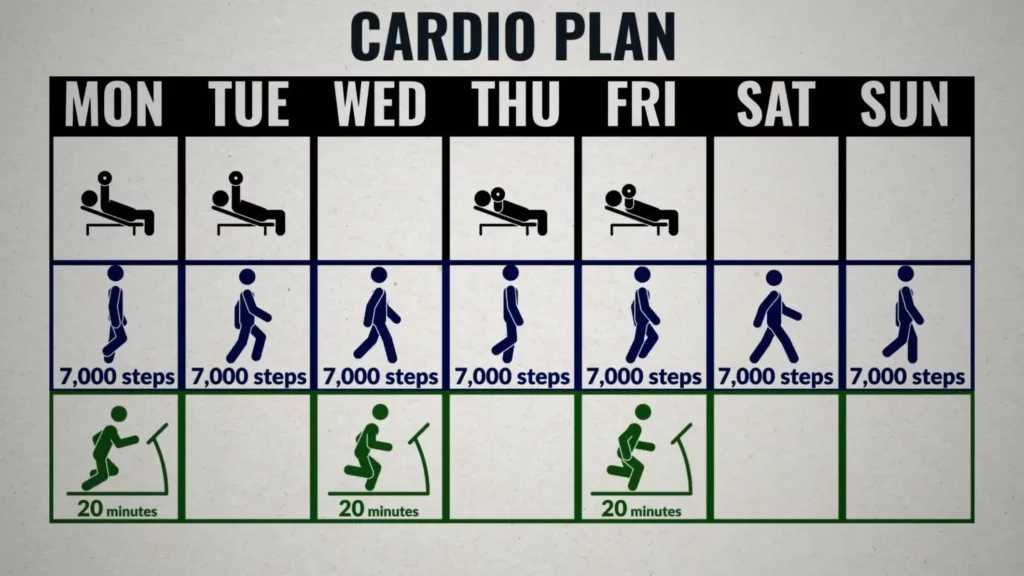
Engaging in regular cardio is one of the most effective ways to shed those extra pounds and boost your overall health. But how often should you really hit the treadmill or go for a run to see results? The quick answer: aim for about 3 to 5 sessions a week, each lasting 30 to 60 minutes, depending on your fitness level and goals. Consistency matters more than intensity, so find a routine you enjoy and stick with it. Remember, balancing cardio with proper nutrition and strength training accelerates your weight loss journey. In this article, we’ll explore exactly how often you should incorporate cardio into your weekly routine to maximize fat loss while staying energized and motivated. Having the right frequency can make your weight loss efforts both effective and sustainable.

How Often Should You Do Cardio to Lose Weight?
Understanding the Role of Cardio in Weight Loss
Cardio exercises are activities that increase your heart rate and help burn calories. They include walking, running, cycling, swimming, and dancing. Regular cardio helps create a calorie deficit, which is essential for weight loss.
The key is finding the right balance so your body burns fat effectively without risking burnouts or injuries. It’s not just about doing a lot of cardio; it’s about doing it consistently and at the right intensity.
Recommended Frequency for Cardio Workouts
Most health experts suggest doing cardio at least three to five times a week for effective weight loss. This frequency helps keep your metabolism active and promotes fat burning.
**For beginners:** Starting with three sessions per week helps your body adapt gradually. As you get comfortable, you can increase to four or five times.
**For more advanced exercisers:** Six days a week can be beneficial but should include varied intensity levels. Rest days are vital for recovery and preventing overtraining.
Duration of Cardio Sessions for Weight Loss
The ideal duration depends on the intensity of your workout. A common recommendation is engaging in 30 to 60-minute sessions.
**Light to moderate intensity:** About 45 minutes can help burn significant calories without excessive fatigue.
**High-intensity workouts:** Shorter sessions of 20 to 30 minutes may be more effective, especially with interval training.
Increasing session length gradually can boost your calorie expenditure and support faster weight loss.
Intensity Levels and Their Impact on Frequency
The intensity of your cardio determines how often you should do it. Light intensity activities like brisk walking can be performed daily without much strain.
**Moderate intensity:** Jogging or cycling at a steady pace lends itself to 4 to 5 sessions weekly.
**High-intensity interval training:** Short, intense bursts followed by rest periods can be done 2 to 3 times per week, allowing your body time to recover.
Varying intensity levels ensures you target different muscle groups and avoid plateaus.
Balancing Cardio with Other Exercise Types
While cardio is excellent for burning calories, combining it with strength training enhances weight loss. Strength exercises build muscle, which increases resting metabolic rate.
**Suggested weekly routine:**
- 3 to 4 cardio sessions
- 2 to 3 strength training days
This balance prevents overuse injuries and promotes overall fitness. It’s important to listen to your body and avoid excessive cardio, which can lead to fatigue and decreased motivation.
Personal Factors That Influence Cardio Frequency
Individual factors affect how often you should do cardio for weight loss. Age, fitness level, health conditions, and personal goals all play roles.
**Age:** Older adults may need more rest and lower intensity.
**Fitness level:** Beginners should start slowly and build up gradually.
**Goals:** Quick weight loss might require more frequent sessions, but sustainable weight loss favors consistency over intensity.
Consult with a healthcare professional before starting a new exercise routine, especially if you have health concerns.
Signs You’re Doing Too Much Cardio
Overdoing cardio can lead to fatigue, injuries, and burnout. Watch out for symptoms like persistent soreness, decreased performance, or feeling unusually tired.
**Avoid excessive cardio by:**
- Including rest days in your schedule
- Listening to your body’s signals
- Mixing low, moderate, and high-intensity workouts
Proper recovery and adequate nutrition support your cardio routine and optimize weight loss results.
Tips for Staying Consistent and Motivated
Consistency is key for effective weight loss through cardio. Setting realistic goals and tracking progress helps maintain motivation.
**Some strategies include:**
- Scheduling workouts at convenient times
- Finding activities you enjoy
- Working out with friends or in groups
- Using fitness apps to track your workouts and progress
Celebrate small milestones to stay encouraged and recognize your efforts.
Final Thoughts on How Often to Do Cardio for Weight Loss
The best approach involves exercising three to five times weekly, balancing workout intensity and duration. Incorporate variety with different activities and include rest days to prevent overtraining.
Focus on consistency and listen to your body’s signals. Remember, combining cardio with other healthy habits like proper nutrition ensures sustainable weight loss.
Regular, well-planned cardio sessions can help you achieve your goals, boost your energy levels, and improve overall health.
Frequently Asked Questions
How does the intensity of cardio workouts influence the frequency needed for weight loss?
Higher-intensity cardio sessions can lead to increased calorie burn in a shorter period, allowing you to perform fewer sessions per week while still losing weight effectively. However, balancing intensity with adequate recovery is essential to prevent burnout or injury. Combining moderate and high-intensity workouts based on your fitness level can optimize weight loss while maintaining overall health.
Can doing cardio every day help me lose weight faster, or should I limit my sessions?
Engaging in cardio daily can accelerate weight loss; however, it depends on the workout intensity and your body’s response. Incorporate rest days or lower-intensity sessions to allow your muscles to recover and prevent overtraining. Listening to your body and varying your routines helps achieve consistent progress without increasing injury risk.
What role does duration play in determining how often I should do cardio for weight loss?
The length of each cardio session impacts how often you should train. Shorter, more frequent workouts can sustain a calorie deficit, while longer sessions might require more recovery time. Aim for sessions lasting 30 to 60 minutes, 3 to 5 times a week, adjusting based on your goals, schedule, and how your body responds to the exercise regimen.
Should I combine cardio with strength training, and how does this affect my cardio frequency?
Mixing cardio with strength training can enhance overall fitness and promote fat loss. Incorporate cardio sessions on days you do strength training or alternate days to allow recovery. This combination ensures you burn calories effectively while building muscle, leading to improved metabolism and sustained weight loss.
How can I adjust my cardio routine if I hit a plateau in my weight loss journey?
If weight loss stalls, consider increasing the intensity or duration of your cardio workouts gradually. Adding intervals or trying different forms of exercise can challenge your body anew. Additionally, reevaluate your diet and overall activity level to support ongoing progress. Adjusting your routine helps overcome plateaus and keeps you moving toward your goals.
Final Thoughts
how often should you do cardio to lose weight depends on individual goals and fitness levels. Most experts recommend exercising three to five times a week for effective weight loss. Consistency matters more than intensity, so choose routines you enjoy.
Balancing cardio with strength training and proper nutrition enhances results. Stick to a sustainable schedule to maintain progress and stay motivated. Ultimately, regular cardio helps you reach your weight loss goals efficiently.
As an Amazon Associate, We earn from qualifying purchases. When you purchase a product through Amazon links on pulsefitguide.com, we may earn a small commission at no extra cost to you. This helps support the site and keep our content free.