

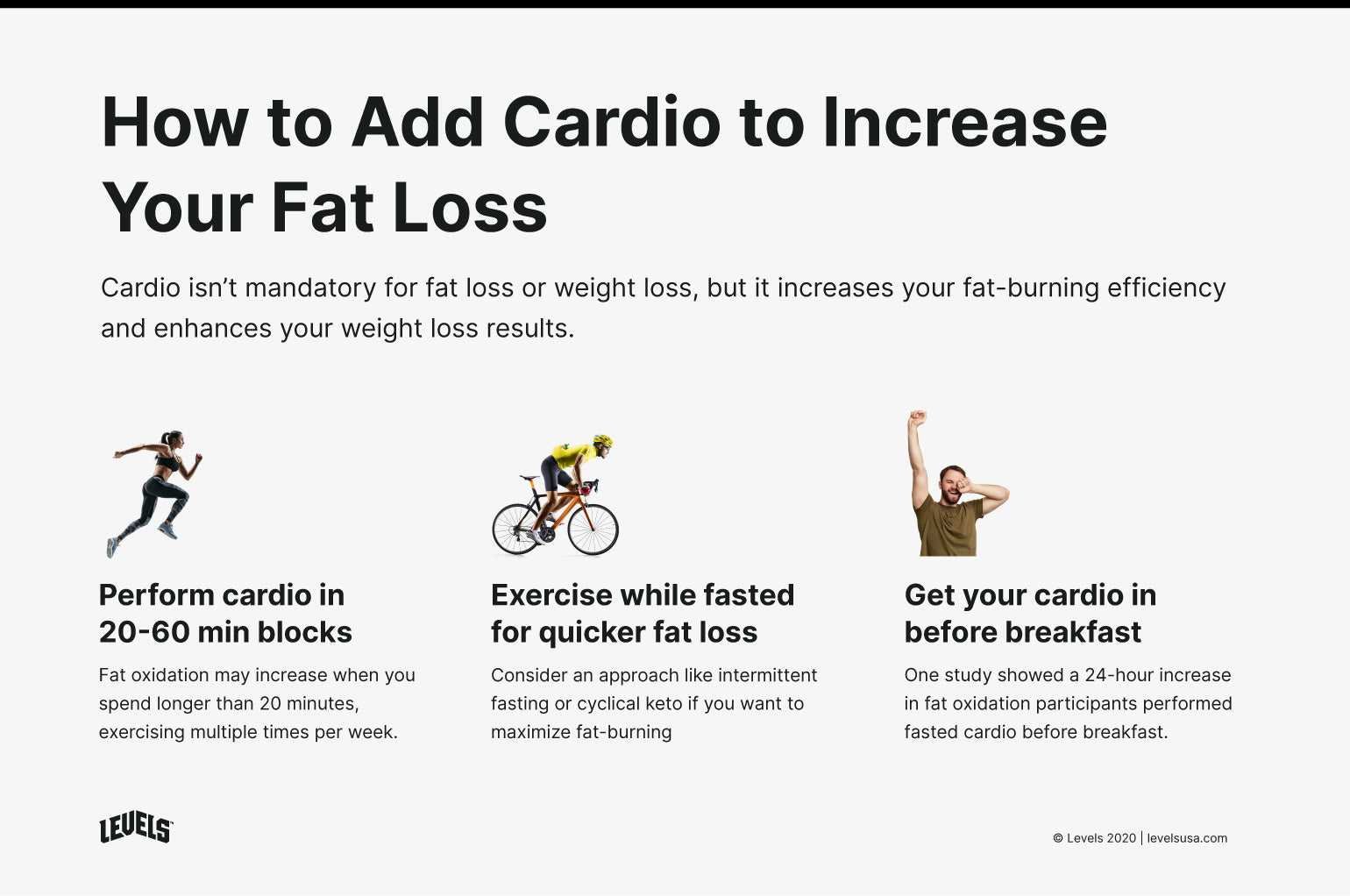
Aim for at least 150 minutes of moderate-intensity cardio or 75 minutes of vigorous exercise each week for optimal health. Mixing up your routine with cardio sessions is key to staying fit and energized. How often you should do cardio depends on your goals, current fitness level, and schedule, but most adults can benefit from regular activity to boost cardiovascular health and maintain a healthy weight.
If you’re wondering how often to incorporate cardio into your weekly routine, the general recommendation is about 3 to 5 sessions per week. This balance helps improve endurance, burn calories, and support overall health without overtraining. Keep reading to discover more tailored tips and ways to make cardio work for your lifestyle.
Diving into how often you should do cardio can feel overwhelming, especially with so many conflicting opinions out there. Whether you’re aiming to lose weight, boost stamina, or just stay active, finding the right frequency is essential. The good news is, you don’t need to spend hours in the gym every day—moderation and consistency are key. So, how often should you hit the treadmill, go for a run, or cycle through your favorite cardio workouts? Let’s explore the best strategies to fit cardio into your weekly routine for maximum health benefits and enjoyment.

How Often Cardio Per Week: A Complete Guide
Understanding the Basics of Cardio Exercise
Cardio exercise, also known as aerobic exercise, involves activities that increase your heart rate and breathing. It helps improve cardiovascular health, burn calories, and boost overall energy levels. Knowing how often to do cardio can help you reach your health and fitness goals effectively.
Recommended Cardio Frequency for Different Goals
The frequency of cardio workouts depends on your personal objectives, such as weight loss, endurance building, or maintaining overall health. Here’s a quick overview:
- Weight Loss: Most people need to do cardio at least 4 to 6 days a week to see significant results.
- Improving Endurance: 3 to 5 sessions per week are usually enough for stamina development.
- Health Maintenance: 150 minutes of moderate activity or 75 minutes of vigorous activity weekly, spread over 3 to 5 days.
How Often Should Beginners Do Cardio?
For beginners, starting slowly is best to prevent injury and build confidence. Aim for 3 days a week with moderate-intensity workouts. Gradually increase frequency as your fitness improves.
Frequency Based on Exercise Intensity
The intensity of your workout influences how often you should do cardio. Here’s a breakdown:
Moderate-Intensity Cardio
Activities like brisk walking, easy cycling, or dancing fit here. Aim for 3 to 5 days weekly, lasting 30 to 60 minutes each session.
Vigorous-Intensity Cardio
Activities such as running, fast cycling, or aerobics can be more demanding. 3 days per week with sessions lasting 20 to 30 minutes are usually enough.
Sample Cardio Schedule for Various Fitness Levels
Creating a weekly plan can help stay consistent and balanced.
| Beginners | Intermediate | Advanced |
|---|---|---|
| 3 days of moderate cardio (30 minutes) | 4 to 5 days of varied intensities (45 minutes) | 5 to 6 days, mixing high and moderate intensity (60 minutes) |
Rest and Recovery in Cardio Routine
Rest days are essential to allow your body to recover and prevent burnout. Plan at least one or two rest days each week, especially if you’re doing vigorous workouts regularly.
The Importance of Listening to Your Body
Everyone’s body responds differently. If you feel overly tired, sore, or fatigued, cut back and give yourself time to recover. Balancing activity and rest is key to staying healthy and avoiding injuries.
Additional Factors That Affect Cardio Frequency
Several elements can influence how often you should do cardio, including age, fitness level, and medical conditions.
Age
Older adults might need to do lower-impact activities more frequently, with adequate rest between sessions.
Fitness Level
Fitter individuals can handle more frequent and intense sessions, but beginners should start slow.
Health Conditions
Consult your doctor before starting or increasing cardio if you have any health concerns or chronic illnesses.
Balancing Cardio With Other Types of Exercise
While cardio is vital, combining it with strength training enhances overall health. Aim to do strength exercises 2 to 3 times a week, complementing your cardio routine.
Tips for Staying Consistent With Your Cardio Routine
Consistency is key to seeing results. Set realistic goals, track your progress, and choose enjoyable activities. Mixing different types of cardio can keep things exciting and prevent boredom.
Related Topics to Consider
Beyond frequency, focus on duration, intensity, and variety of your workouts for maximum benefits.
Duration
Most health guidelines recommend 150 minutes of moderate or 75 minutes of vigorous activity weekly.
Intensity
Adjust intensity based on your fitness level and goals to avoid overtraining or injury.
Variety
Mix different activities such as walking, swimming, or cycling to target different muscle groups and keep motivation high.
Monitoring Your Progress and Adjusting Frequency
Track your workouts and how your body responds. As your fitness improves, gradually increase the frequency, duration, or intensity of your cardio sessions.
Finding the right amount of cardio per week depends on your personal goals, fitness level, and lifestyle. Starting slow and gradually increasing frequency ensures you stay motivated and injury-free. Remember to listen to your body, incorporate rest days, and enjoy your workouts. Consistency and variety will help you achieve your health and fitness goals effectively.
Frequently Asked Questions
What is the recommended frequency of cardio for improving cardiovascular health?
To support cardiovascular health, aim for at least 150 minutes of moderate-intensity cardio per week, such as brisk walking or cycling. This usually translates to about 30 minutes most days of the week. Consistent activity helps strengthen your heart muscle and improves circulation over time.
How can I determine the right number of cardio sessions per week based on my fitness goals?
If you’re working to lose weight, engaging in cardio 4 to 5 times weekly can accelerate calorie burn. For maintenance or general health, 3 to 4 sessions per week often suffice. Adjust frequency based on your progress, how your body feels, and any specific goals you have.
Is it better to spread out cardio sessions or do them consecutively during the week?
Spreading out cardio sessions across the week allows your body to recover between workouts and maintains consistent activity levels. For most people, doing cardio 3 to 5 days per week with rest days in between offers a balanced approach that promotes endurance without overtraining.
How does increasing or decreasing cardio frequency impact recovery and performance?
Increasing cardio sessions too rapidly can lead to fatigue and risk of injury, while decreasing them might hinder progress toward your fitness goals. Finding the right balance ensures your body recovers adequately between sessions, helping you improve performance and avoid burnout.
Can doing cardio every day be beneficial, or should I limit my sessions?
Performing cardio daily can be beneficial if you vary the intensity and duration to prevent overtraining. However, incorporating rest or low-impact days allows your body to recover and reduce injury risk. Listening to your body helps determine the optimal frequency for sustainable progress.
Final Thoughts
Pour des avantages optimaux, il est important de faire de l’exercice cardiovasculaire régulièrement. La fréquence recommandée est généralement de 3 à 5 fois par semaine. Cela permet d’améliorer la santé cardiaque, la endurance et de maintenir un poids équilibré. En résumé, comment often cardio per week dépend de vos objectifs personnels et de votre niveau de forme.
As an Amazon Associate, We earn from qualifying purchases. When you purchase a product through Amazon links on pulsefitguide.com, we may earn a small commission at no extra cost to you. This helps support the site and keep our content free.