
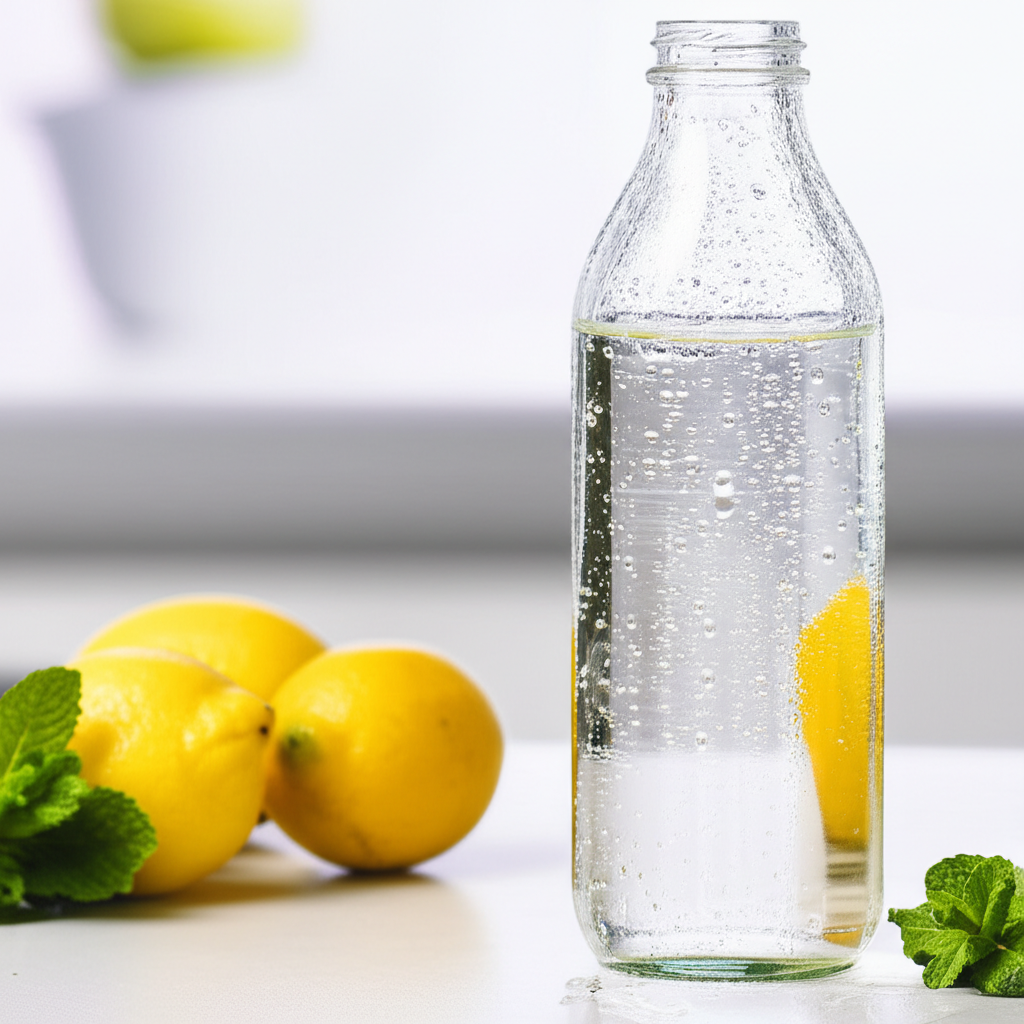
To lose weight, aim for at least half your body weight in ounces of water daily. For example, if you weigh 150 lbs, drink 75 ounces of water. This simple habit supports metabolism, curbs appetite, and boosts energy, making weight loss more achievable.
Feeling a bit lost on your weight loss journey? You’re not alone! Many of us get overwhelmed by all the advice out there. One question that pops up often is about water. How much should you actually drink? It seems simple, but understanding its role can be a game-changer. Think of water as your secret weapon – it’s affordable, essential, and incredibly powerful for helping you shed those extra pounds. Let’s break down exactly how much water you need and why it’s so important, step by step.
The Amazing Power of Water for Weight Loss
Water is more than just a thirst quencher; it’s a vital component of your body’s functions, especially when it comes to weight management. When you’re trying to lose weight, your body works harder. It needs optimal hydration to perform at its best. Staying well-hydrated can significantly impact your metabolism, appetite, and overall energy levels, making the entire process feel much smoother and more effective.
Boosting Your Metabolism with Water
Did you know that drinking water can actually give your metabolism a little nudge? When you drink water, especially cold water, your body expends energy to warm it up to body temperature. This process is called thermogenesis. While it might seem small, over time, these extra calories burned can add up. A study published in the Journal of Clinical Endocrinology & Metabolism suggested that drinking about 17 ounces (500 ml) of water could increase metabolic rate by up to 30% for a short period.
Think of your metabolism as the engine that burns calories. When your engine is running smoothly and efficiently, you burn more calories throughout the day, even at rest. Water plays a crucial role in keeping this engine humming. Dehydration, on the other hand, can slow things down, making it harder for your body to process food and burn fat.
Water as an Appetite Suppressant
One of the biggest challenges in weight loss is managing hunger. You might be surprised to learn that water can be a fantastic natural appetite suppressant. Often, our bodies mistake thirst for hunger. Before reaching for a snack, try drinking a glass of water. You might find that your “hunger” pangs subside.
Drinking water before meals can also help you feel fuller, leading you to eat less during your meal. Research has shown that individuals who drink water before eating consume fewer calories. For instance, a study in Obesity found that older adults who drank water before each meal lost more weight than those who didn’t. This simple trick can help you control your calorie intake without feeling deprived.
Water for Energy and Exercise Performance
When you’re trying to lose weight, you often need to increase your physical activity. But if you’re dehydrated, you’ll likely feel sluggish and tired, making workouts feel like a chore. Water is essential for transporting nutrients to your muscles and removing waste products. Even mild dehydration can significantly impair your energy levels and exercise performance.
Staying hydrated ensures your muscles have the fuel they need to perform optimally. This means you can work out harder and longer, burning more calories and building lean muscle. Lean muscle is important because it burns more calories at rest than fat does, further supporting your weight loss goals. Proper hydration also helps prevent muscle cramps and fatigue, making your exercise routine more enjoyable and sustainable.
How Much Water Should You Actually Drink?

This is the big question! While the general advice to drink “eight glasses a day” is a good starting point, it’s not one-size-fits-all. The amount of water you need depends on several factors, including your body weight, activity level, climate, and overall health.
The Simple Weight-Based Guideline
A popular and easy-to-remember guideline for daily water intake is to drink at least half your body weight (in pounds) in ounces of water. This is a fantastic starting point for most people looking to lose weight.
Here’s how to calculate it:
- Determine your current weight in pounds.
- Divide that number by two.
- The result is the minimum number of ounces of water you should aim to drink daily.
Example: If you weigh 160 pounds, you should aim for at least 80 ounces of water per day (160 / 2 = 80). This is roughly ten 8-ounce glasses.
Factors That Increase Your Water Needs
While the half-your-body-weight rule is a great baseline, you’ll likely need more water if:
- You’re very active: If you exercise regularly or have a physically demanding job, you’ll lose more fluids through sweat and need to replenish them.
- You live in a hot or humid climate: Higher temperatures and humidity increase sweat production.
- You’re sick: Fever, vomiting, or diarrhea can lead to significant fluid loss.
- You’re pregnant or breastfeeding: Both require increased fluid intake.
- You consume a lot of sodium or sugar: These can make your body retain less water and increase thirst.
For example, if you exercise intensely for an hour, you might need to add an extra 16-32 ounces of water to your daily intake, depending on how much you sweat. Listen to your body – thirst is a key indicator!
When to Drink Water for Maximum Weight Loss Benefits
Timing can also play a role in how water supports your weight loss efforts. Strategically drinking water can amplify its benefits, especially in managing appetite and boosting metabolism.
1. Drink Water First Thing in the Morning
After a night’s sleep, your body is naturally a bit dehydrated. Drinking a glass of water (or two!) as soon as you wake up can help rehydrate your body, kickstart your metabolism, and flush out toxins. It’s like giving your internal systems a gentle wake-up call.
2. Drink Water Before Meals
As mentioned earlier, drinking a glass or two of water about 20-30 minutes before each meal can help you feel fuller. This can lead to eating smaller portions and consuming fewer calories during the meal. It’s a simple yet effective strategy for calorie control.
3. Sip Water Throughout the Day
Instead of chugging large amounts all at once, aim for consistent sipping throughout the day. This helps maintain optimal hydration levels, keeps your metabolism ticking, and prevents that overwhelming feeling of intense thirst or hunger.
4. Drink Water During and After Exercise
Staying hydrated during workouts is crucial for performance and preventing dehydration. Replenish fluids lost through sweat by drinking water before, during, and after your exercise session. This aids muscle recovery and helps your body function efficiently.
Understanding Hydration Levels: Are You Drinking Enough?
Knowing if you’re drinking enough water is key. Your body provides clear signals. Paying attention to these can help you adjust your intake as needed.
Signs of Good Hydration:
- Pale Yellow Urine: This is the most reliable indicator. If your urine is consistently pale yellow, like lemonade, you’re likely well-hydrated.
- Infrequent Thirst: If you rarely feel thirsty, it’s a good sign your body has enough fluids.
- Healthy Skin: Well-hydrated skin tends to be more elastic and have a healthy glow.
- Regular Bowel Movements: Adequate water intake is essential for preventing constipation.
Signs of Dehydration:
- Dark Yellow Urine: If your urine is dark yellow or amber-colored, it’s a strong sign you need to drink more water.
- Frequent Thirst: This is your body’s primary signal that it needs fluids.
- Dry Mouth and Lips: A common and obvious sign of dehydration.
- Fatigue and Low Energy: Even mild dehydration can make you feel tired and sluggish.
- Headaches: Dehydration is a frequent cause of headaches.
- Constipation: Your digestive system needs water to function smoothly.
If you experience several of these dehydration symptoms, it’s time to consciously increase your water intake. Make a habit of carrying a water bottle with you everywhere.
Beyond Plain Water: What Else Counts?
While plain water is the gold standard for hydration and weight loss, other beverages and foods can contribute to your daily fluid intake.
Hydrating Beverages:
- Herbal Teas: Unsweetened herbal teas (like peppermint, chamomile, or ginger) are excellent choices. They hydrate you and can offer additional benefits, such as aiding digestion or promoting relaxation.
- Sparkling Water: Plain sparkling water or seltzer water is a great alternative if you enjoy the fizz. Just be sure it’s unsweetened and doesn’t contain artificial sweeteners, which can sometimes trigger cravings.
- Milk: Milk, whether dairy or non-dairy, contributes to fluid intake and provides nutrients like calcium and protein. Opt for unsweetened varieties.
- Diluted Fruit Juice: While 100% fruit juice is healthy, it’s high in natural sugars. Diluting it with water can make it more hydrating and lower in calories. However, whole fruits are generally a better choice as they contain fiber.
Hydrating Foods:
Many fruits and vegetables have a high water content and can significantly contribute to your daily fluid intake. Incorporating these into your diet is a delicious way to stay hydrated!
| Food Item | Approximate Water Content (%) | Weight Loss Benefit |
|---|---|---|
| Cucumber | 96% | Very low in calories, high in volume to promote fullness. |
| Strawberries | 92% | Rich in fiber and antioxidants, low in calories. |
| Watermelon | 92% | Hydrating and satisfying, contains citrulline which may aid muscle recovery. |
| Celery | 95% | Extremely low in calories, provides a satisfying crunch. |
| Lettuce (Iceberg/Romaine) | 95-96% | Adds bulk to meals with minimal calories. |
| Tomatoes | 94% | Good source of vitamins and antioxidants. |
| Zucchini | 95% | Versatile and low in calories, can be used in many dishes. |
Beverages to Limit or Avoid for Weight Loss:
While other beverages contribute to hydration, some can hinder your weight loss efforts due to their high sugar content or calorie load.
- Sugary Drinks: Sodas, sweetened iced teas, energy drinks, and many fruit punches are loaded with empty calories that can lead to weight gain and disrupt metabolism.
- Alcohol: Alcohol is dehydrating and calorie-dense. It can also lower inhibitions, leading to less healthy food choices.
- Creamy Coffee Drinks: While coffee itself can have some metabolic benefits, elaborate coffee shop drinks loaded with syrups, cream, and sugar can pack hundreds of calories.
Prioritizing plain water is the most effective strategy for weight loss. Other hydrating options can supplement your intake, but it’s wise to be mindful of added sugars and calories.
Tips for Making Water a Habit
Incorporating more water into your day doesn’t have to be a chore. Here are some practical tips to make hydration a natural part of your routine:
1. Get a Reusable Water Bottle
Invest in a good quality, reusable water bottle that you love. Having it with you at all times serves as a constant reminder to drink. Look for one with markings to help you track your intake.
2. Set Reminders
If you tend to forget, use your phone or smartwatch to set hourly reminders to take a few sips of water. There are also many hydration tracking apps available.
3. Flavor Your Water Naturally
If plain water feels boring, try infusing it with natural flavors. Add slices of lemon, lime, cucumber, mint, berries, or orange. This adds a subtle taste without adding sugar or calories.
4. Drink Water with Every Meal and Snack
Make it a rule to drink a glass of water before or with every meal and snack. This helps with digestion and satiety.
5. Make it Visible
Keep a pitcher of water on your desk or in your kitchen. Seeing it will prompt you to drink more.
6. Make it a Challenge
Challenge yourself and a friend or family member to meet your daily water goals. Support and accountability can be powerful motivators.
7. Track Your Progress
Use a journal or an app to track how much water you’re drinking each day. Seeing your progress can be very encouraging.
Frequently Asked Questions (FAQ)
Q1: Can drinking too much water be bad for weight loss?
While it’s rare, drinking an extreme amount of water very quickly can lead to a dangerous condition called hyponatremia, where sodium levels in your blood become too diluted. However, for weight loss purposes, sticking to the recommended guidelines (like half your body weight in ounces) is safe and beneficial. Your body will typically signal when it has enough water through less frequent thirst and pale urine.
Q2: Does drinking water help with bloating?
Yes, surprisingly, drinking enough water can actually help reduce bloating. When you’re dehydrated, your body tends to hold onto water, which can lead to bloating. Staying properly hydrated signals to your body that it doesn’t need to conserve water, helping to flush out excess sodium and reduce fluid retention. It also aids in digestion, preventing constipation which is a common cause of bloating.
Q3: What’s the best time to drink water for weight loss?
For maximum weight loss benefits, try drinking water first thing in the morning to kickstart your metabolism, and about 20-30 minutes before each meal to help you feel fuller and eat less. Sipping water consistently throughout the day is also important for maintaining hydration and metabolic function.
Q4: How can I tell if I’m drinking enough water if I don’t feel thirsty?
The best indicator is the color of your urine. If it’s consistently pale yellow (like light lemonade), you are likely well-hydrated. If it’s dark yellow or amber, you need to drink more. Also, pay attention to other signs like dry mouth, fatigue, or headaches, which can indicate dehydration even if you don’t feel overtly thirsty.
Q5: Is it okay to drink water with ice?
Absolutely! Drinking water with ice is perfectly fine and counts towards your daily intake. Some people even find that drinking cold water can slightly increase calorie burning as the body works to warm it up, though the effect is minimal. The most important thing is to drink the water, regardless of its temperature.
Q6: How much water do I need if I have a medical condition?
If you have any underlying medical conditions, such as kidney disease, heart failure, or specific electrolyte imbalances, your fluid needs might be different. It’s always best to consult with your doctor or a registered dietitian for personalized advice on how much water is safe and appropriate for you.
Conclusion: Your Hydration Journey Starts Now
Understanding how much water to drink for weight loss is a crucial step, and we’ve covered the essentials. By aiming for at least half your body weight in ounces daily, drinking strategically before meals, and listening to your body’s hydration signals, you’re setting yourself up for success. Water is a simple, powerful, and affordable tool that supports your metabolism, helps manage hunger, and fuels your energy levels. Remember, consistency is key. Make hydration a non-negotiable part of your daily routine, and you’ll be well on your way to achieving your weight loss goals and feeling healthier overall. Your body will thank you for it!
As an Amazon Associate, We earn from qualifying purchases. When you purchase a product through Amazon links on pulsefitguide.com, we may earn a small commission at no extra cost to you. This helps support the site and keep our content free.