

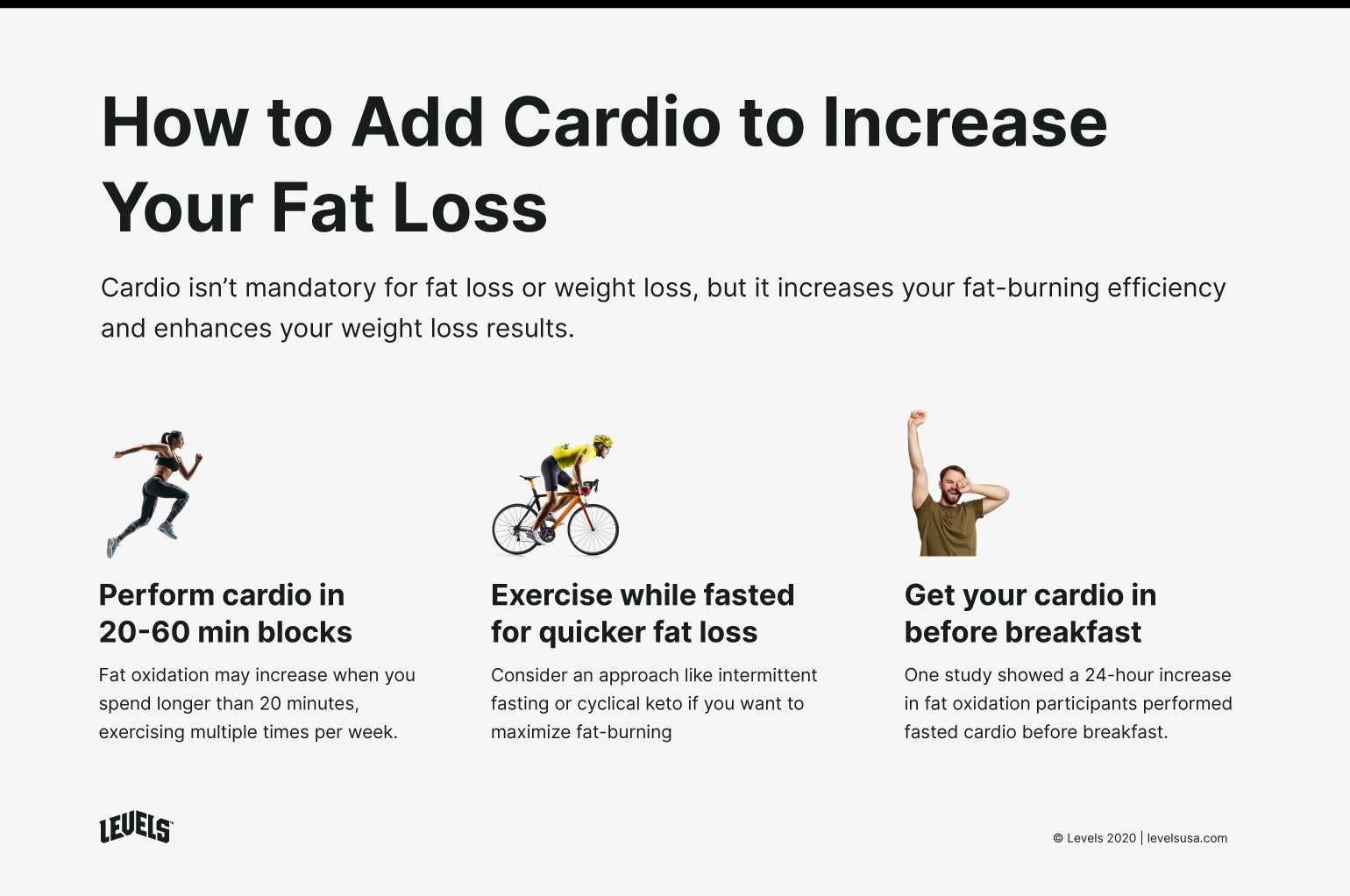
To stay healthy and fit, aim for at least 150 minutes of moderate-intensity cardio or 75 minutes of vigorous activity each week. This means about 30 minutes most days, but listen to your body and adjust as needed. Incorporate variety to stay motivated and avoid burnout. Remember, consistency is key!
If you’re wondering how much cardio you should do, the answer depends on your goals, fitness level, and lifestyle. For general health, around 150 minutes of moderate effort weekly is a good starting point. If you’re aiming to lose weight or train for a specific event, you might need to increase this amount. Ultimately, finding a routine that fits your schedule and keeps you engaged will help you stay committed and reap the benefits.
Getting your cardio routine right can feel confusing, especially with so many recommendations out there. It’s tempting to push yourself to the max or, conversely, do too little and see no results. The key is balance: regular, achievable sessions that keep your heart healthy and your energy levels high. This article will help you understand exactly how much cardio you should aim for based on your personal goals and everyday life, so you can stay motivated and make your workouts work for you.

How Much Should I Do Cardio? A Complete Guide
Understanding Cardio and Its Benefits
Cardio, also known as aerobic exercise, includes activities like walking, running, cycling, and swimming. It helps your heart, lungs, and blood vessels stay healthy. Regular cardio can boost your energy levels and improve your mood, making it an essential part of any fitness plan.
General Recommendations for Cardio Frequency
Most health experts suggest doing at least 150 minutes of moderate-intensity cardio each week. This can be divided into sessions of about 30 minutes, five days a week. Alternatively, 75 minutes of vigorous activity per week also provides significant health benefits.
How to Divide Cardio Sessions Effectively
You might prefer shorter sessions spread throughout the week. For example, 10-minute walks after each meal add up over time. Consistency is key, so find a routine that fits your schedule and feels enjoyable.
Choosing the Right Intensity Level
Exercise intensity refers to how hard your body works during activity. It’s important to balance moderate and vigorous efforts. Use the “talk test”: if you can chat comfortably, it’s moderate. If talking feels difficult, it’s vigorous.
Moderate-Intensity Cardio
Activities like brisk walking or light cycling fall into this category. They raise your heart rate and make you breathe faster but still allow you to hold a conversation.
Vigorous-Intensity Cardio
Running, fast cycling, or aerobics classes qualify here. These increase your heart rate significantly and make talking challenging.
Understanding Your Personal Fitness Level
Beginners might start with shorter and less intense sessions. More experienced exercisers can handle longer and more vigorous workouts. Know your limits and gradually increase intensity and duration.
How to Tailor Cardio to Your Goals
Your goals influence how much cardio you should do. For weight loss, more frequent and longer sessions might be necessary. For heart health, consistency and moderate intensity are effective. Athletes may need more specific, structured routines.
For Weight Loss
Aim for 300 minutes of moderate cardio weekly. This equals about 45 minutes per day, five to six days a week. Combining intensity with duration helps burn more calories.
For Heart and Lung Health
Engage in at least 150 minutes of moderate activity weekly, focusing on consistent, enjoyable workouts to keep your cardiovascular system strong.
Balancing Cardio with Other Exercises
Including strength training alongside cardio provides a well-rounded fitness routine. Strength exercises help build muscle, which supports your metabolic rate and overall health.
The Importance of Rest and Recovery
Rest days prevent overtraining and help your body recover. Incorporate at least one or two rest days each week, especially after intense workouts. Listening to your body is vital for long-term progress.
Special Considerations and Precautions
People with medical conditions should consult healthcare providers before starting a new exercise routine. Gradually increase your activity level to avoid injuries. Stay hydrated and wear proper footwear to protect yourself.
Tracking Your Cardio Progress
Use fitness apps or a simple journal to log your workouts. Tracking helps you stay motivated and see your improvements over time. Notice how your endurance and energy levels increase as you stay consistent.
Incorporating Fun into Cardio
Choose activities you enjoy to maintain motivation. Dancing, hiking, or playing sports make exercise feel less like a chore. Fun workouts are easier to sustain over the long term.
Sample Weekly Cardio Plan
- Monday: 30-minute brisk walk
- Tuesday: 20-minute cycling session
- Wednesday: Rest or gentle stretching
- Thursday: 25-minute jog or run
- Friday: Swimming for 30 minutes
- Saturday: Hiking or dancing for 40 minutes
- Sunday: Rest or light activity like yoga
Tips for Staying Motivated
Set small, achievable goals to keep moving forward. Find a workout buddy or join group classes for accountability. Mix up activities to prevent boredom and stay engaged.
How much cardio you should do depends on your individual goals, fitness level, and lifestyle. Strive for consistency and balance, and listen to your body’s signals. Making cardio enjoyable and manageable will help you stick with it for better health and well-being.
Frequently Asked Questions
How can I determine the right amount of cardio based on my fitness goals?
To find the appropriate amount of cardio, consider your primary fitness goals. If you’re aiming for weight loss, engaging in moderate-intensity cardio for at least 150 minutes per week is effective. For improving endurance or cardiovascular health, you might increase to 300 minutes weekly. Tailoring your routine based on how your body responds can help optimize results and prevent overtraining.
What are signs that I might be doing too much cardio?
Signs of overdoing cardio include persistent fatigue, decreased performance, frequent injuries, and an increase in resting heart rate. You might also notice mood disturbances or trouble sleeping. If these symptoms appear, it’s wise to reduce your cardio sessions and allow your body sufficient time to recover.
Should I vary the intensity of my cardio sessions throughout the week?
Yes, mixing different intensities benefits your body and keeps your routine engaging. Incorporate a combination of moderate and high-intensity workouts, along with low-intensity sessions. This variation helps prevent plateaus, reduces the risk of injury, and improves overall fitness levels.
How much cardio is enough for maintaining general health?
For overall health, aim for at least 150 minutes of moderate-intensity cardio, such as brisk walking or cycling, each week. Breaking this into sessions of about 30 minutes, five days a week, provides substantial health benefits and supports cardiovascular wellness.
Can doing too little cardio impact my fitness progress?
Yes, insufficient cardio may slow down your progress toward certain fitness goals, especially those related to heart health and endurance. Regular, consistent cardio helps improve your cardiovascular system, boosts energy levels, and supports weight management. Finding a balanced routine ensures steady improvement without risking burnout.
Final Thoughts
In summary, how much should I do cardio depends on your goals and fitness level. For general health, aim for at least 150 minutes of moderate-intensity or 75 minutes of vigorous-intensity activity weekly. If you want to improve endurance or lose weight, consider increasing your sessions gradually. Listen to your body and adjust accordingly. Consistency matters more than the exact amount, so find a routine you enjoy and stick with it.
As an Amazon Associate, We earn from qualifying purchases. When you purchase a product through Amazon links on pulsefitguide.com, we may earn a small commission at no extra cost to you. This helps support the site and keep our content free.