
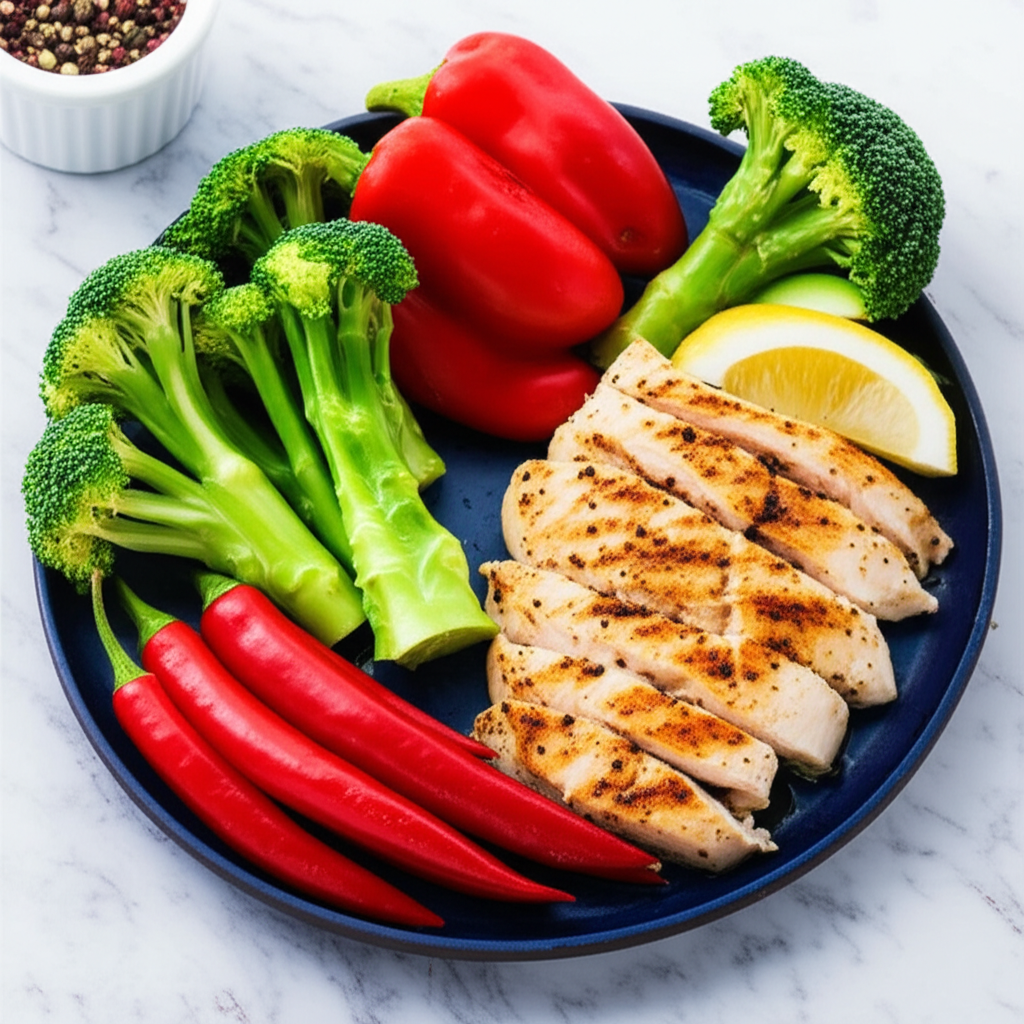
For weight loss, aim for 0.7 to 1 gram of protein per pound of your target body weight daily. This helps you feel full, preserve muscle, and boost metabolism. This guide breaks down exactly how to figure out your personal protein needs and incorporate them into your diet easily and affordably.
Feeling confused about weight loss is super common! You hear so many different things about what to eat and what not to eat. One of the most talked-about nutrients is protein, and for good reason. It’s a key player when you’re trying to shed those extra pounds. But how much is actually the right amount for you? It can feel like a puzzle, but don’t worry! I’m here to break it down in a way that makes total sense. We’ll go step-by-step, so you can feel confident about your food choices and see real progress. Ready to unlock the power of protein for your weight loss journey?
Why Protein is Your Weight Loss Best Friend
Think of protein as your super-supportive buddy on the weight loss journey. It does a lot of heavy lifting to make things easier for you. When you’re trying to lose weight, you’re typically aiming to eat fewer calories than your body uses. This is called a calorie deficit. While cutting calories is essential, protein helps make this process much more comfortable and effective.
1. Keeps You Feeling Full and Satisfied
One of the biggest challenges with losing weight is dealing with hunger. When you’re hungry all the time, it’s tough to stick to your plan. Protein is incredibly filling. It helps you feel satisfied after meals, which means you’re less likely to reach for unhealthy snacks or overeat later. This effect is called increased satiety, and it’s a game-changer for managing cravings.
2. Preserves Your Precious Muscle Mass
When you lose weight, you want to lose fat, not muscle. Muscle is metabolically active, meaning it burns calories even when you’re resting. If you lose muscle, your metabolism can slow down, making it harder to keep the weight off in the long run. Protein is the building block of muscle, so eating enough of it helps your body hold onto that hard-earned muscle mass while you lose fat.
3. Gives Your Metabolism a Little Boost
Your body actually uses energy to digest and process the food you eat. This is called the thermic effect of food (TEF). Protein has a higher TEF than carbs or fats, meaning your body burns more calories digesting protein. While this boost isn’t massive on its own, it adds up over time and can contribute to your overall calorie burn.
4. Helps Stabilize Blood Sugar Levels
When your blood sugar spikes and then crashes, it can lead to energy slumps and intense cravings for sugary foods. Protein helps to slow down the absorption of sugar into your bloodstream, leading to more stable blood sugar levels. This means fewer energy dips and less temptation to reach for quick-fix sugary snacks.
How Much Protein Do You Actually Need?

This is the million-dollar question! The exact amount of protein you need can depend on a few things, like your age, activity level, and overall health. However, for weight loss, there’s a general guideline that works well for most beginners.
A commonly recommended range for weight loss is between 0.7 to 1 gram of protein per pound of your target body weight. Why target weight? Because if you’re significantly overweight, using your current weight might suggest an unnecessarily high protein intake. Focusing on your target weight ensures you’re aiming for a healthy and sustainable amount.
Let’s break this down with an example:
- Sarah wants to weigh 140 pounds.
- If she uses the lower end of the range (0.7g per pound): 140 lbs 0.7g/lb = 98 grams of protein per day.
- If she uses the higher end of the range (1g per pound): 140 lbs 1g/lb = 140 grams of protein per day.
So, Sarah should aim for somewhere between 98 and 140 grams of protein daily to support her weight loss goals.
What About Activity Level?
If you’re just starting out and not very active, staying towards the lower end of the range (0.7-0.8g per pound) is usually sufficient. As you become more active and incorporate regular exercise, especially strength training, you might benefit from aiming for the higher end (0.8-1g per pound) to help with muscle repair and growth.
Using Kilograms (If That’s Your Thing)
If you prefer to work with kilograms, the recommendation is typically around 1.6 to 2.2 grams of protein per kilogram of your target body weight.
Calculating Your Personal Protein Goal: A Simple Step-by-Step Guide
Let’s make this super practical. Here’s how you can figure out your personal protein goal:
- Determine Your Target Weight: What weight do you realistically want to reach? This should be a healthy weight for your body frame. If you’re unsure, consulting a doctor or a registered dietitian can help.
- Choose Your Protein Factor: Decide whether you’ll aim for 0.7, 0.8, 0.9, or 1 gram of protein per pound of your target weight. For beginners, starting with 0.7 or 0.8 is a great, manageable approach.
- Do the Math: Multiply your target weight by your chosen protein factor.
Example:
Let’s say your target weight is 160 pounds, and you decide to start with 0.8 grams of protein per pound.
160 pounds 0.8 grams/pound = 128 grams of protein per day.
This is your daily protein target. You don’t need to hit this number exactly every single day, but aim to be consistently in this range throughout the week.
Understanding Protein Sources: What to Eat
Now that you know how much protein you need, the next step is figuring out where to get it. The good news is that protein is found in a wide variety of delicious foods! Focusing on whole, unprocessed foods is generally the best approach for weight loss and overall health.
Lean Animal Protein Sources
These are often considered complete proteins, meaning they contain all nine essential amino acids your body needs.
- Chicken Breast: A classic for a reason! It’s lean, versatile, and packed with protein.
- Turkey Breast: Similar to chicken, a great lean option.
- Fish: Salmon, tuna, cod, tilapia, and more. Fish also provides healthy omega-3 fatty acids.
- Lean Beef: Cuts like sirloin, tenderloin, or lean ground beef.
- Pork Tenderloin: A leaner cut of pork.
- Eggs: An affordable and complete protein source, great for any meal.
- Greek Yogurt: Higher in protein than regular yogurt, also a good source of calcium.
- Cottage Cheese: Another dairy powerhouse, high in casein protein which digests slowly.
Plant-Based Protein Sources
These are excellent options, especially for vegetarians, vegans, or anyone looking to add more plant foods to their diet. Some plant-based sources are not complete proteins on their own, but by eating a variety of them throughout the day, you can easily get all the essential amino acids.
- Lentils: Versatile, filling, and packed with fiber and protein.
- Beans: Black beans, kidney beans, chickpeas, etc. Great in salads, soups, or as a side.
- Tofu and Tempeh: Soy-based products that are excellent meat substitutes.
- Edamame: Young soybeans, great as a snack or addition to meals.
- Nuts and Seeds: Almonds, walnuts, chia seeds, flax seeds, pumpkin seeds. Also provide healthy fats. (Portion control is key here as they are calorie-dense).
- Quinoa: A complete protein grain that’s also a good source of fiber.
- Peas: A surprisingly good source of plant-based protein.
Tip: Aim to include a protein source at every meal and snack. This helps keep you full and satisfied throughout the day.
Practical Tips for Increasing Your Protein Intake
Knowing what to eat is one thing, but making it happen in your busy life is another. Here are some simple, practical tips to help you boost your protein intake:
Plan Your Meals
Before the week starts, take some time to plan your meals. Think about what protein sources you’ll include in breakfast, lunch, and dinner. This reduces the need for last-minute, often less healthy, food choices.
Start Your Day with Protein
Breakfast is a prime opportunity to get a good protein boost. Instead of sugary cereals, try:
- Scrambled eggs with spinach
- Greek yogurt with berries and a sprinkle of nuts
- A protein smoothie
- Oatmeal made with milk (or soy milk) and topped with nuts or seeds
Incorporate Protein into Every Meal
Make sure each meal has a protein component. This helps you reach your daily target and keeps you feeling full.
- Lunch: Add grilled chicken or chickpeas to your salad, have a lentil soup, or make a turkey sandwich on whole-grain bread.
- Dinner: Baked salmon with roasted vegetables, lean ground beef stir-fry with broccoli, or a black bean burger.
Smart Snacking
Snacks are where many people derail their weight loss efforts. Choose protein-rich snacks to keep hunger at bay.
- A hard-boiled egg
- A handful of almonds
- A small container of Greek yogurt
- Beef jerky (choose low-sodium options)
- Edamame
- Apple slices with peanut butter
Utilize Protein Powders (Wisely)
Protein powders (like whey, casein, or plant-based options) can be a convenient way to supplement your intake, especially if you struggle to get enough from food alone or after a workout. However, they should be seen as a supplement, not a replacement for whole foods. Always choose reputable brands and check the ingredients for added sugars.
A simple protein shake can be made by mixing protein powder with water or unsweetened almond milk. You can also add it to smoothies for an extra protein punch.
Read Food Labels
Get into the habit of checking the nutrition labels on packaged foods. Pay attention to the protein content per serving. This helps you make informed choices and track your intake.
Putting It All Together: A Sample Daily Meal Plan
To give you a clearer picture, here’s a sample day’s meal plan for someone aiming for around 120-130 grams of protein. Remember, this is just an example, and you can adjust it based on your preferences and dietary needs.
| Meal | Food Example | Approximate Protein (grams) |
|---|---|---|
| Breakfast | 2 large eggs scrambled with 1/2 cup spinach and 1 slice whole-wheat toast | 14g |
| Snack | 1 cup Greek yogurt (plain, non-fat) | 20g |
| Lunch | 4 oz grilled chicken breast on a large salad with mixed greens, cucumber, tomatoes, and 2 tbsp vinaigrette | 35g |
| Snack | 1 oz almonds (about 23 nuts) | 6g |
| Dinner | 5 oz baked salmon with 1 cup roasted broccoli and 1/2 cup quinoa | 45g |
| Evening Snack (Optional) | 1/2 cup cottage cheese (low-fat) | 12g |
| Total Daily Protein (Approximate) | 132g |
This sample plan demonstrates how you can distribute your protein intake throughout the day to stay satisfied and meet your goal. Notice how each meal and snack includes a protein source.
Common Questions About Protein and Weight Loss
It’s normal to have questions! Here are some common ones beginners ask:
Q1: Is it possible to eat too much protein when trying to lose weight?
A: While it’s harder to overdo it than many people think, extremely high protein intake isn’t necessarily better. For most healthy adults, sticking within the recommended range (0.7-1g per pound of target weight) is safe and effective. Very high amounts could potentially strain the kidneys in individuals with pre-existing kidney conditions, so it’s always good to listen to your body and consult a healthcare professional if you have concerns.
Q2: Do I need to track my protein intake every single day?
A: You don’t have to track every gram obsessively, especially when you’re starting. The goal is to build awareness and healthy habits. Try tracking for a week or two to get a feel for how much protein is in your typical meals. Then, you can often eyeball it and make conscious choices without needing a scale or app. Consistency over perfection is key!
Q3: What if I’m vegetarian or vegan? Can I still get enough protein?
A: Absolutely! As mentioned earlier, there are many excellent plant-based protein sources like beans, lentils, tofu, tempeh, edamame, nuts, seeds, and quinoa. The key is variety. By eating a diverse range of plant foods throughout the day, you can easily meet your protein needs and get all the essential amino acids. The USDA National Agricultural Library has great resources on plant-based nutrition.
Q4: Does protein help with stubborn belly fat?
A: Protein doesn’t magically target belly fat specifically. However, by helping you feel fuller and preserving muscle mass (which boosts metabolism), it supports overall fat loss, including from your belly. When you lose fat overall, you’ll naturally lose it from areas like your abdomen.
Q5: When is the best time to eat protein for weight loss?
A: The most important thing is to get enough protein overall* throughout the day. Spreading your protein intake across meals and snacks can help manage hunger and keep you satisfied. Eating protein with meals can also help stabilize blood sugar. While post-workout protein is beneficial for muscle recovery, for general weight loss, consistent daily intake is more critical than precise timing.
Q6: How does protein help with cravings?
A: Protein helps stabilize blood sugar levels, preventing the sharp spikes and crashes that can trigger intense cravings for sugary or high-carb foods. When you’re feeling more consistently full and energized, you’re less likely to give in to those sudden urges for unhealthy treats.
Q7: Are protein bars a good option for weight loss?
A: Protein bars can be a convenient option, but you need to be selective. Many are loaded with sugar, artificial sweeteners, and calories, which can hinder weight loss. Look for bars that are lower in sugar (ideally under 10g), higher in protein (at least 15-20g), and made with whole-food ingredients. They are best used as an occasional convenient snack, not a meal replacement or daily staple.
The Long-Term View: Sustainable Habits for Success
Figuring out your protein needs is a fantastic step, but remember that weight loss is a journey, not a race. Focusing on sustainable habits is what will lead to lasting results.
Instead of thinking about a strict diet, aim to build a lifestyle where you consistently:
- Prioritize protein at every meal.
- Choose whole, unprocessed foods most of the time.
- Stay hydrated by drinking plenty of water.
- Incorporate regular physical activity that you enjoy.
- Get enough sleep, as it plays a crucial role in appetite regulation and overall health.
- Manage stress, as high stress can impact your eating habits.
By making protein a cornerstone of your eating plan, you’re setting yourself up for success. You’ll feel more in control, less hungry, and more energized, making the process of losing weight feel achievable and even enjoyable.
Conclusion
Understanding how much protein you should eat to lose weight is a powerful tool for your journey. By aiming for 0.7 to 1 gram of protein per pound of your target body weight, you can effectively manage hunger, preserve muscle, and support your metabolism. Remember to choose a variety of lean protein sources, plan your meals, and make smart snacking choices. This guide has provided you with the knowledge and practical steps to confidently incorporate adequate protein into your diet. Keep up the great work, stay consistent, and celebrate your progress along the way!
As an Amazon Associate, We earn from qualifying purchases. When you purchase a product through Amazon links on pulsefitguide.com, we may earn a small commission at no extra cost to you. This helps support the site and keep our content free.