

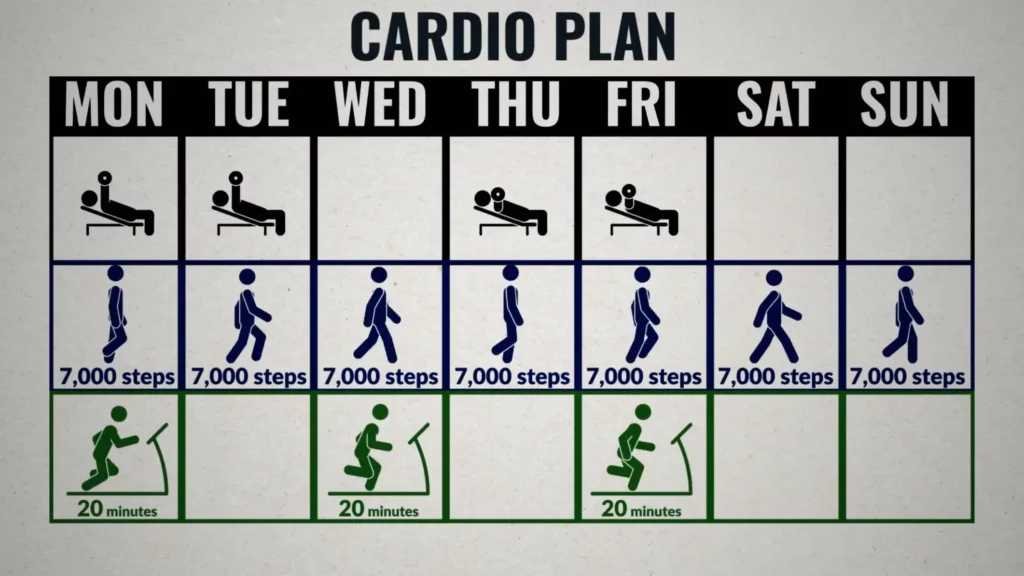
Pour perdre du poids efficacement, viser environ 150 minutes de cardio modéré ou 75 minutes d’exercices intensifs par semaine peut faire toute la différence. La clé est de trouver un équilibre qui vous motive et que vous pouvez maintenir à long terme. En général, combiner cardio régulier avec une alimentation saine donne les meilleurs résultats. Alors, combien de cardio pour perdre du poids ? La réponse dépend de votre corps, de votre niveau de fitness et de vos objectifs personnels, mais une routine régulière est essentielle pour voir des progrès durables.
Pour réussir à perdre du poids, il faut intégrer suffisamment de cardio dans votre emploi du temps, tout en évitant le surmenage. La fréquence, la durée et l’intensité doivent être adaptées à votre situation. En combinant cardio et une alimentation équilibrée, vous maximisez vos chances de succès tout en préservant votre motivation. La clé est la régularité, pas la perfection, pour atteindre vos objectifs de perte de poids.

How Much Cardio to Lose Weight: A Complete Guide
Understanding the Role of Cardio in Weight Loss
Cardio exercise is a popular way to burn calories and shed pounds. It helps increase your heart rate and boosts your metabolism. Regular cardio can also improve your overall health and energy levels.
The amount of cardio needed depends on your weight loss goals. People often wonder how much exercise is enough and how frequently they should do it. Knowing the right amount can help you see results without overdoing it.
How Many Calories Can Cardio Help You Burn?
The number of calories burned during cardio varies based on factors like your weight, exercise intensity, and duration. For example, a person weighing 150 pounds can burn approximately 300 calories in 30 minutes of moderate jogging.
High-intensity exercises like running or cycling can burn even more calories in less time. Tracking your calorie expenditure can give you a better idea of how your workouts contribute to weight loss.
The Recommended Duration of Cardio for Weight Loss
The American Heart Association suggests adults aim for at least 150 minutes of moderate exercise weekly. This usually translates to about 30 minutes, five days a week.
For weight loss, some people find that 300 minutes of cardio per week is more effective. This can be broken into shorter sessions, like 45 minutes on five days.
Intensity Levels and Their Impact on Weight Loss
The intensity of your cardio workout affects how many calories you burn. Moderate-intensity activities include brisk walking or light cycling. These are easier to sustain but burn fewer calories per minute.
High-intensity workouts like running or stair climbing burn more calories quickly. They can be more effective but also more challenging to maintain regularly. Mixing both intensities can keep things interesting and effective.
Balancing Cardio with Other Exercises
While cardio is great for burning calories, combining it with strength training can boost weight loss. Building muscle helps increase resting metabolic rate, so you burn more calories even at rest.
Adding strength workouts two or three times a week complements your cardio routine. This balance creates a well-rounded exercise plan that supports weight loss and overall fitness.
How to Measure if You Are Doing Enough Cardio
Monitoring your workouts helps ensure you’re doing enough for weight loss. Use fitness trackers or apps to count your steps, calories burned, and duration of exercise.
Pay attention to how your body feels. Consistent effort, increased stamina, and gradual weight loss are signs that your cardio routine is effective.
Tips to Maximize Cardio for Weight Loss
To get the best results, vary your workouts to prevent boredom. Incorporate different activities like swimming, jumping rope, or dance classes.
Stay consistent and set realistic goals. Gradually increase the intensity and duration to challenge your body without risking injury. Remember to include rest days for recovery.
The Risks of Overdoing Cardio
Doing too much cardio can lead to fatigue, injuries, and burnout. It’s essential to listen to your body and rest when needed. Overtraining can also hinder your weight loss efforts by stressing your body.
Balance is key. Aim for a sustainable routine that you enjoy and can maintain in the long run.
Related Topics: Diet and Cardio
Exercise alone isn’t enough for effective weight loss. Pair your cardio routine with a healthy, balanced diet. Focus on whole foods, lean proteins, fruits, and vegetables.
Stay mindful of your calorie intake to ensure you’re in a calorie deficit. Combining proper nutrition with regular cardio accelerates your progress.
Creating Your Personalized Cardio Plan
Start by assessing your current fitness level and weight loss goals. Choose activities you enjoy to stay motivated and consistent.
For beginners, aim for 15 to 20 minutes of moderate exercise three times a week. Progressively increase duration and intensity over time.
Sample Weekly Cardio Schedule
| Day | Activity | Duration | Intensity |
|---|---|---|---|
| Monday | Brisk walking | 30 minutes | Moderate |
| Tuesday | Cycling | 45 minutes | Moderate to high |
| Wednesday | Rest or light stretching | — | — |
| Thursday | Jogging or running | 30 minutes | High |
| Friday | Swimming or dance class | 40 minutes | Moderate |
| Saturday | Hiking or outdoor activity | 60 minutes | Moderate to high |
| Sunday | Rest or gentle yoga | — | — |
Determining how much cardio to lose weight depends on your individual goals, fitness level, and schedule. Consistency, variety, and balanced effort are essential. Keep a close eye on your progress, listen to your body, and adjust your routine as needed. A well-planned approach with appropriate intensity and duration can lead to effective, sustainable weight loss and improved health.
Frequently Asked Questions
How often should I do cardio to see weight loss results?
For effective weight loss, aim to do cardio exercises at least 3 to 5 times per week. Each session should last between 30 to 60 minutes, depending on your fitness level. Consistency is key; regular cardio helps burn calories consistently and boosts your metabolism, leading to steady weight loss progress.
Is high-intensity cardio more effective than moderate-intensity workouts for losing weight?
High-intensity cardio workouts can burn more calories in a shorter period and may lead to greater fat loss. However, they are also more demanding on your body. Including a mix of high- and moderate-intensity sessions can balance effectiveness with sustainability. Choose workouts that challenge you but also allow you to recover and prevent injury.
Can I lose weight by doing only cardio and skipping strength training?
While cardio helps burn calories and reduces body fat, incorporating strength training enhances muscle mass, which increases resting metabolic rate. Combining both provides the best results for weight loss and overall fitness. Relying solely on cardio may lead to muscle loss and slower metabolic adaptation over time.
How does the duration of cardio sessions impact weight loss?
The length of your cardio sessions influences the total calories burned. Longer sessions, such as 45 to 60 minutes, can contribute to greater calorie expenditure, especially if performed at moderate to high intensity. However, shorter, high-intensity intervals can also be effective and time-efficient. Find a duration that fits your schedule and maintains consistent effort.
Should I do cardio on fasting days to maximize weight loss?
Some people prefer to do cardio on fasting days, believing it enhances fat burning due to lower glycogen stores. However, exercising in a fasted state may reduce performance and increase fatigue for others. Listen to your body and choose a routine that maintains your energy levels and supports your overall goals. Combining fasting with cardio can work if approached carefully.
Final Thoughts
To conclude, the amount of cardio needed to lose weight varies per individual. Consistency is key; aim for at least 150 minutes of moderate-intensity cardio weekly. Incorporate a mix of activities to stay motivated and avoid plateauing. Remember, how much cardio to lose weight depends on your goals and lifestyle, so tailor your routine accordingly.
As an Amazon Associate, We earn from qualifying purchases. When you purchase a product through Amazon links on pulsefitguide.com, we may earn a small commission at no extra cost to you. This helps support the site and keep our content free.