

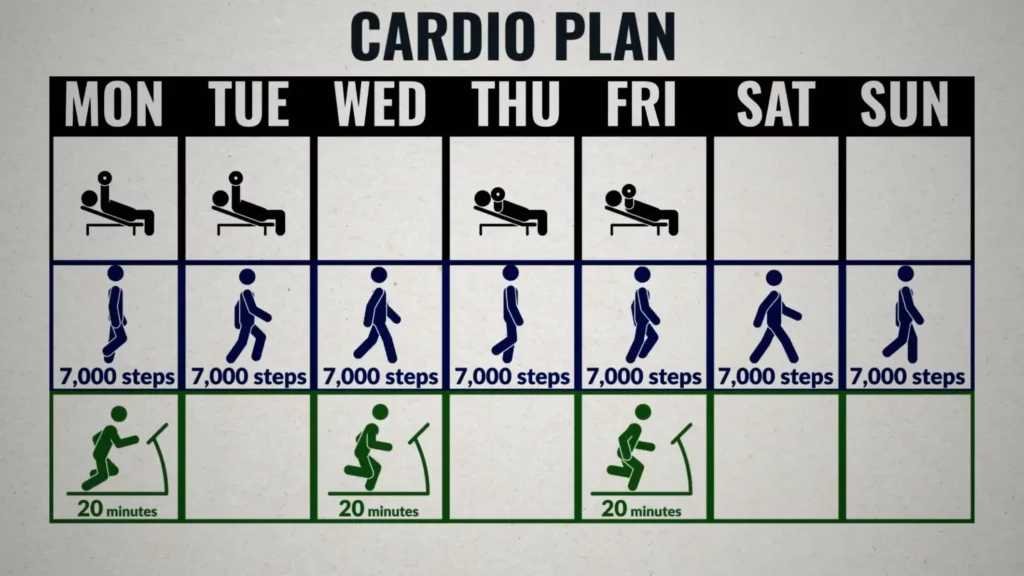
To stay healthy and energized, aim for at least 150 minutes of moderate-intensity cardio or 75 minutes of vigorous activity each week. The perfect amount varies based on your goals, fitness level, and lifestyle, but consistency is key. For general health, a mix of different cardio workouts spread throughout the week works best.
In short, most adults should aim for around 150 minutes of moderate or 75 minutes of vigorous cardio weekly, spreading it out over several days. If you’re looking to lose weight or train for a specific event, you might need to increase that amount gradually. The right balance depends on your personal goals and overall health, so listening to your body and staying consistent are your best guides.
Getting started with a weekly cardio routine can seem daunting, but knowing how much to do makes it simple. Whether you’re a beginner or a seasoned athlete, understanding the recommended guidelines helps you develop a plan that boosts your stamina, improves heart health, and keeps you motivated. Cardio isn’t just about sweating it out; it’s about fitting enjoyable, effective activity into your life that makes a difference. So, how much cardio should you do each week? Let’s explore the best approach for your health and fitness journey.

How Much Cardio Should I Do in a Week?
Understanding Cardio: What It Is and Why It Matters
Cardio, short for cardiovascular exercise, is any activity that raises your heart rate and helps improve heart and lung health. It includes activities like walking, running, cycling, swimming, and dancing. Doing enough cardio can boost your stamina, burn calories, and support overall well-being.
Regular cardio can also help manage weight, decrease the risk of chronic diseases, and improve mood. So, figuring out the right amount is key to getting the benefits without overdoing it.
How Much Cardio Is Recommended by Health Experts?
Most health organizations suggest at least 150 minutes of moderate-intensity cardio each week. This can be broken down into five 30-minute sessions. If you prefer vigorous exercise, aim for 75 minutes weekly, which breaks down into three 25-minute sessions.
These guidelines serve as a starting point for maintaining good health. They also encourage consistency and making exercise a routine part of daily life.
What Is Moderate-Intensity Cardio?
Moderate-intensity cardio makes you breathe faster but still allows you to speak comfortably. Examples include brisk walking or dancing. You should feel your heart beating faster than usual but not so much that talking becomes difficult.
The goal is to elevate your heart rate to around 50-70% of your maximum. Monitoring your effort can help you stay in the right zone and get the most health benefits.
Understanding Vigorous-Intensity Cardio
Vigorous cardio makes it difficult to speak because your heart rate is higher, usually between 70-85% of your maximum. Activities like running, cycling fast, or playing sports fall into this category.
Doing vigorous exercise for a shorter time can be equally effective. It’s excellent for improving your endurance and burning calories quickly.
Balancing Cardio and Other Exercises
While cardio is important, it should be balanced with strength training and flexibility exercises. For optimum health, aim for a mix of activities.
Two to three strength sessions per week can help build muscle, support joint health, and prevent injuries. Incorporating stretching or yoga improves flexibility and aids recovery.
How to Find Your Ideal Cardio Routine
Your ideal weekly cardio plan depends on your fitness goals and lifestyle. To start, pick activities you enjoy to stay motivated.
Plan to do at least 150 minutes of moderate cardio or 75 minutes of vigorous activity weekly. Spread sessions throughout the week to avoid fatigue and boost consistency.
For example, you could do brisk walking on Monday, cycling on Wednesday, and swimming on Saturday. Adjust the intensity and duration based on your progress and how your body feels.
Listening to Your Body and Avoiding Overtraining
Pay attention to how your body responds to your exercise routine. Muscle soreness, fatigue, or pain may be signs you need more rest.
Rest days are crucial to allow your muscles to recover and prevent burnout. If you experience persistent discomfort, consider reducing the intensity or duration of your workouts.
Balancing activity with rest helps maintain long-term motivation and reduces the risk of injury.
Adapting Your Cardio Routine Over Time
As your fitness improves, gradually increase the duration or intensity of your workouts. This approach, called progressive overload, helps prevent plateaus.
You can add more challenging activities or extend your sessions by a few minutes each week. Remember, consistency is more impactful than intensity when starting out.
Tracking your progress with a journal or app can motivate you and help ensure you meet your weekly cardio goals.
The Role of Nutrition and Hydration
Proper fueling and hydration support your cardio routine. Eating a balanced diet rich in carbohydrates, proteins, and healthy fats provides energy for your workouts.
Stay well-hydrated before, during, and after exercise to prevent dehydration and optimize performance. If you exercise intensely or for long durations, consider replenishing electrolytes.
Good nutrition enhances recovery and helps you stick to your cardio schedule more comfortably.
Special Considerations for Different Age Groups
Children and teenagers should engage in at least 60 minutes of activity daily, including cardio. For adults, the focus is on maintaining a routine that supports heart health and weight management.
Older adults may need to tailor their cardio based on mobility and health conditions, emphasizing low-impact activities like walking or swimming.
Consulting with a healthcare provider can help create a safe, effective plan suited to individual needs and limitations.
Cardio for Specific Goals
Your target for cardio varies based on your objectives:
- Weight Loss: Combine regular cardio with a healthy diet. Aim for 300 minutes weekly for significant results.
- Energy and Endurance: Focus on longer sessions of moderate activity, gradually increasing as fitness improves.
- Heart Health: Consistent moderate to vigorous cardio helps strengthen your heart and decrease blood pressure.
- Stress Relief: Activities like walking or dancing can improve mood and reduce anxiety when done regularly.
Matching your routine to your goals ensures you get the most benefits from your efforts.
The Benefits of Incorporating Variety into Your Routine
Mix different types of cardio to prevent boredom and target various muscle groups. For example, alternate between walking, cycling, and swimming.
Variety also reduces the risk of overuse injuries and keeps your exercise routine fresh and exciting. Track your weekly activities to ensure balanced coverage of different cardio forms.
Using Technology to Track Your Cardio Progress
Fitness trackers and smartphone apps can help monitor your heart rate, steps, and workout duration. They provide real-time feedback, keeping you motivated.
Setting weekly goals using these tools ensures accountability and helps you stay on track. Some apps also offer personalized plans based on your fitness level.
Final Tips for Staying Motivated
Choose activities you enjoy to make exercise feel less like a chore. Working out with friends or family can boost your commitment.
Setting small, achievable goals builds confidence and keeps you moving forward. Remember, the key is consistency — even short sessions count toward your weekly total.
Incorporate music, change locations, or try new activities to keep your routine lively. Celebrate milestones to stay inspired and motivated on your fitness journey.
Frequently Asked Questions
What is the recommended minimum amount of cardio activity for overall health?
The World Health Organization recommends at least 150 minutes of moderate-intensity aerobic activity or 75 minutes of vigorous-intensity activity each week. Engaging in this amount of cardio can help improve cardiovascular health, boost energy levels, and support overall well-being.
How can I adjust my weekly cardio routine based on my fitness goals?
If you’re aiming to lose weight, increasing your cardio sessions to 300 minutes of moderate activity per week can enhance calorie burn. For maintaining fitness levels, sticking to the minimum recommended amounts works well. If you’re training for endurance or athletic performance, you might incorporate more frequent or intense sessions tailored to your specific goals.
What are some signs that I might be doing too much cardio each week?
Feeling persistent fatigue, experiencing frequent injuries, or losing motivation can indicate overtraining. If you notice a decline in performance or difficulty recovering from workouts, consider reducing your cardio duration or intensity. Ensuring rest days and listening to your body’s signals can help prevent burnout and injury.
Is there a different amount of cardio I should do on non-consecutive days?
Spacing out your cardio workouts across the week allows your body to recover and reduces the risk of overuse injuries. For example, doing cardio three to five times per week on alternating days provides a balanced approach that supports consistent progress and recovery.
Should I vary the type or intensity of cardio within my weekly routine?
Varying your cardio activities and mixing different intensities can improve overall fitness and prevent boredom. Incorporate a mix of moderate and vigorous sessions, along with different activities like cycling, running, or swimming, to challenge different muscle groups and keep your routine engaging.
Final Thoughts
How much cardio should I do in a week depends on your fitness goals and current health. For general health, aim for at least 150 minutes of moderate-intensity cardio or 75 minutes of vigorous activity. This can be spread across several days for consistency and recovery.
If weight loss is your goal, increasing cardio to 300 minutes per week can boost results. Remember, balance with other exercises is key to avoiding burnout.
In conclusion, practicing regular cardio tailored to your needs is essential. Stay consistent and listen to your body to find the right amount of cardio per week.
As an Amazon Associate, We earn from qualifying purchases. When you purchase a product through Amazon links on pulsefitguide.com, we may earn a small commission at no extra cost to you. This helps support the site and keep our content free.