

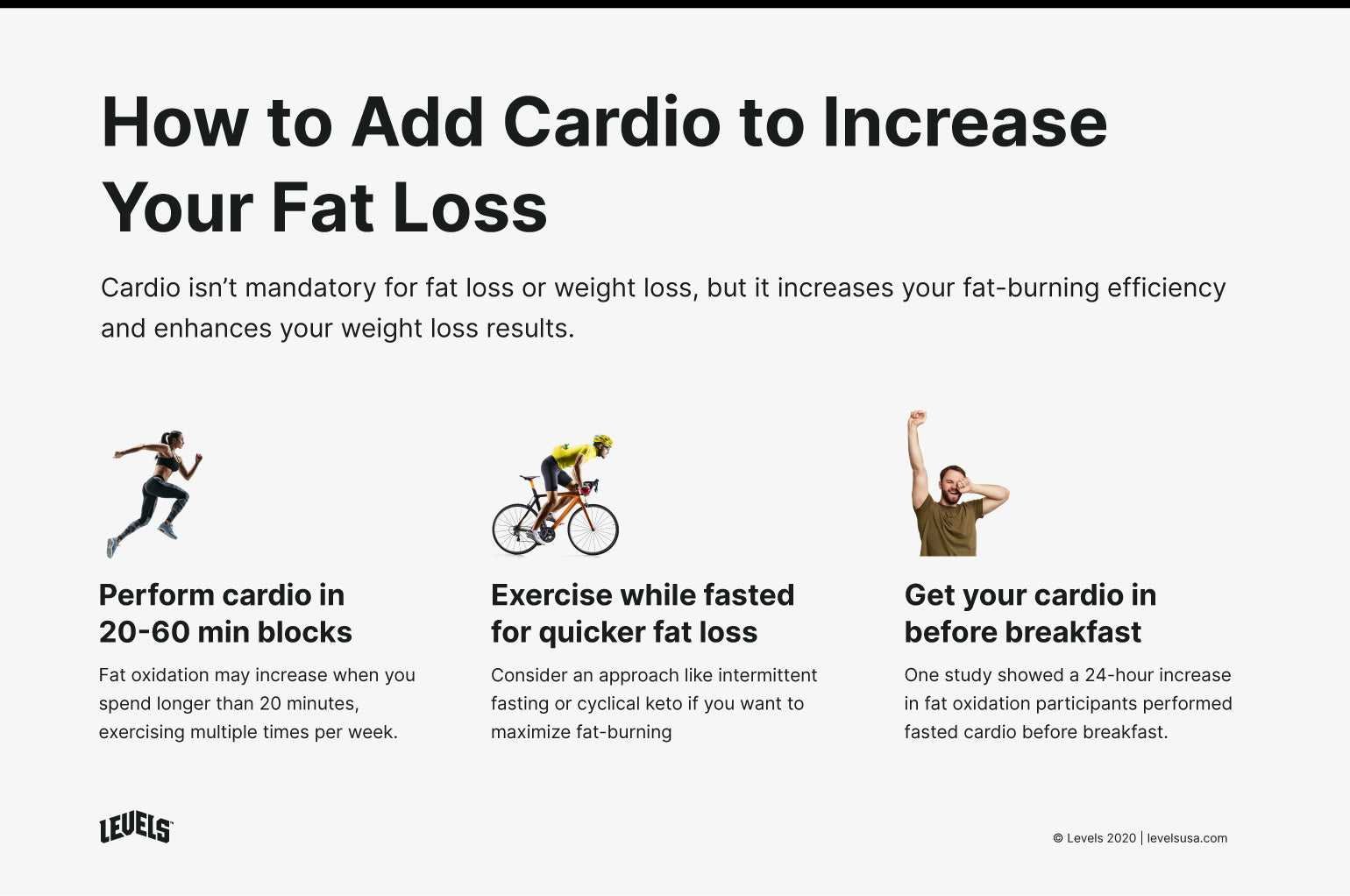
To stay fit and energized, aim for about 150 minutes of moderate cardio or 75 minutes of vigorous exercise weekly, which breaks down to roughly 20-30 minutes daily. The key is finding a balance that fits your lifestyle, fitness level, and goals. For most people, doing at least 30 minutes of cardio most days is enough to boost heart health, burn calories, and improve mood.
Wondering how much cardio you should do each day? The right amount depends on your fitness goals, current health, and schedule. Whether you’re aiming to lose weight, boost endurance, or just stay active, incorporating 20 to 30 minutes of moderate activity daily is a good starting point. Remember, consistency matters more than intensity, so find activities you enjoy and make them part of your daily routine.
Starting with high-energy workouts can be exciting, but it’s important to listen to your body. Not everyone needs to engage in intense daily sessions—moderate, consistent activity often provides the best results without burnout. Cardio is essential for overall health, but quality and regularity trump length and intensity when it comes to sustainable fitness. So, how much cardio should you do? Aim for about 150 minutes a week, adjusted to your personal needs, and you’ll be on your way to a healthier, more energized you.

How Much Cardio Should I Do in a Day? A Complete Guide
Understanding Cardio and Its Benefits
Cardio, short for cardiovascular exercise, helps your heart and lungs work better. It can include activities like walking, running, cycling, swimming, and dancing. Doing cardio regularly can boost your energy, improve your mood, and help you stay healthy.
It also helps burn calories, which can support weight management. Plus, cardio strengthens your heart, making it more efficient at pumping blood. Knowing the right amount of cardio can help you enjoy these benefits without overdoing it.
Recommended Cardio Duration for Different Goals
The amount of cardio you need depends on your personal goals. For general health, the World Health Organization suggests at least 150 minutes of moderate-intensity cardio weekly. That breaks down to about 30 minutes most days.
If you’re aiming for weight loss, experts often recommend 300 minutes of moderate exercise weekly. For improved endurance or athletic performance, longer or more intense sessions are usually needed.
Moderate vs. Vigorous Cardio
Moderate cardio includes activities like brisk walking or casual biking. You should be able to talk comfortably during these exercises. Vigorous cardio, such as running or fast cycling, makes you breathe hard and sweat more.
The key is balancing the intensity with your fitness level. Both types of cardio are beneficial, but your goals will help determine which to focus on more. Incorporating a mix can also prevent boredom and boost results.
How to Find Your Ideal Cardio Duration
Start by considering your current fitness level. Beginners might begin with 10 to 15 minutes per session and increase gradually. More advanced exercisers can aim for 45 minutes to an hour, depending on their goals.
Listen to your body and avoid overtraining. Using a heart rate monitor can help you stay within your target zone for optimal benefits. Remember, consistency beats intensity when it comes to long-term results.
Importance of Rest and Recovery
Even if you love cardio, your body needs time to recover. Rest days help prevent injuries and fatigue. Usually, taking one or two full rest days a week is sufficient.
On active recovery days, you can do light activities like walking or stretching. This balance ensures you stay healthy and motivated over time without risking burnout.
Balancing Cardio with Other Workouts
While cardio supports heart health and calorie burning, strength training is also essential. Combining both can maximize your fitness gains.
Aim to do cardio on most days and include strength exercises two to three times a week. This approach promotes a balanced body and improves overall endurance and muscle strength.
Sample Weekly Cardio Plan for Different Fitness Levels
Here are some examples to guide your weekly routine:
- Beginner: 3 days of 15-20 minutes moderate cardio, with rest days in between.
- Intermediate: 4-5 days of 30-minute sessions, alternating between moderate and vigorous cardio.
- Advanced: 5-6 days of 45-minute to 1-hour vigorous cardio, with some light recovery sessions.
Adjust these plans based on your schedule, preferences, and how your body responds.
Listening to Your Body and Avoiding Overtraining
Pay attention to how your body feels during and after workouts. Sharp pain, extreme fatigue, or lingering soreness signal you need more rest.
Overtraining can lead to injuries and setbacks, so it’s crucial to balance activity and recovery. Using rest days strategically prevents burnout and keeps you motivated.
Special Considerations for Different Populations
Children, older adults, and those with health conditions should tailor their cardio routines. Children and teens can aim for 60 minutes daily, including play and sports.
Older adults might focus on lower-impact activities like walking or swimming, and consult healthcare providers about safe durations. People with health issues should seek medical advice to customize their cardio plans.
Additional Tips for Effective Cardio Workouts
To make your cardio sessions effective:
- Set clear goals to stay motivated.
- Warm up before and cool down after each workout.
- Vary your routine to prevent boredom and plateaus.
- Stay hydrated and wear appropriate gear.
Tracking your progress helps you see improvements and stay committed to your routine.
Incorporating Fun into Your Cardio Routine
Choose activities you enjoy to keep cardio fun. Dancing, hiking, or playing sports can make exercise feel less like a chore.
Music can boost your motivation, and working out with friends adds accountability. Finding joy in your workouts makes it easier to stick to your plan long-term.
Knowing how much cardio you should do in a day depends on your fitness goals, current level, and preferences. Whether you’re aiming for general health, weight loss, or improved endurance, balancing duration and intensity is key.
Start with manageable sessions, gradually increase, and listen to your body. Combining cardio with strength training and proper rest ensures you stay healthy and motivated. Finding a routine that fits your lifestyle makes exercising enjoyable and sustainable, helping you reach your goals comfortably.
Frequently Asked Questions
What are the recommended daily durations for cardio workouts?
Most health organizations suggest engaging in at least 150 minutes of moderate-intensity cardio each week, which breaks down to about 30 minutes a day, five days a week. Alternatively, you can perform 75 minutes of vigorous-intensity cardio weekly, spread across multiple sessions. Adjust the duration based on your fitness goals and current activity level to ensure you stay consistent and avoid overtraining.
How can I determine the right amount of cardio for my fitness level?
Start by assessing your current fitness and gradually increase your activity to prevent injuries. Beginners might aim for 10-15 minutes per session and slowly build up to 30-45 minutes. If you are more experienced, you can extend workouts or include high-intensity intervals for better results. Listen to your body, and consult with a fitness professional if you need personalized guidance tailored to your goals.
Is it necessary to do cardio every day, or can I include rest days?
You do not need to perform cardio every day. Incorporating rest days allows your body to recover and reduces the risk of burnout. A balanced schedule might include cardio sessions five to six days a week with at least one or two full rest days. Mixing different intensities and types of exercises can also help improve overall fitness while giving your muscles time to repair.
How should I modify my cardio routine if I want to lose weight?
To lose weight, aim for at least 300 minutes of moderate-intensity cardio weekly, which can include brisk walking, cycling, or swimming. Combining these activities with a healthy diet maximizes fat burn. Consider adding interval training, which alternates between high and low intensities, to boost calorie expenditure during and after your workouts.
Can doing too much cardio negatively impact my strength training?
Yes, excessive cardio can interfere with muscle recovery and growth, especially if you perform high-volume or high-intensity sessions frequently. To balance cardio and strength training, schedule cardio sessions on separate days or allow enough recovery time between intense workouts. This approach ensures you gain endurance benefits without sacrificing muscle development.
Final Thoughts
The answer to how much cardio should I do in a day depends on your goals and fitness level. Generally, aiming for 150 minutes of moderate-intensity or 75 minutes of vigorous cardio weekly provides health benefits. Breaking this into daily sessions of 20-30 minutes works well for most people.
Consistency matters more than duration; find a sustainable routine that fits your schedule. Adjusting intensity and duration gradually helps avoid burnout and injury.
In conclusion, how much cardio should I do in a day varies, but sticking to recommended guidelines ensures you stay active and healthy.
As an Amazon Associate, We earn from qualifying purchases. When you purchase a product through Amazon links on pulsefitguide.com, we may earn a small commission at no extra cost to you. This helps support the site and keep our content free.