

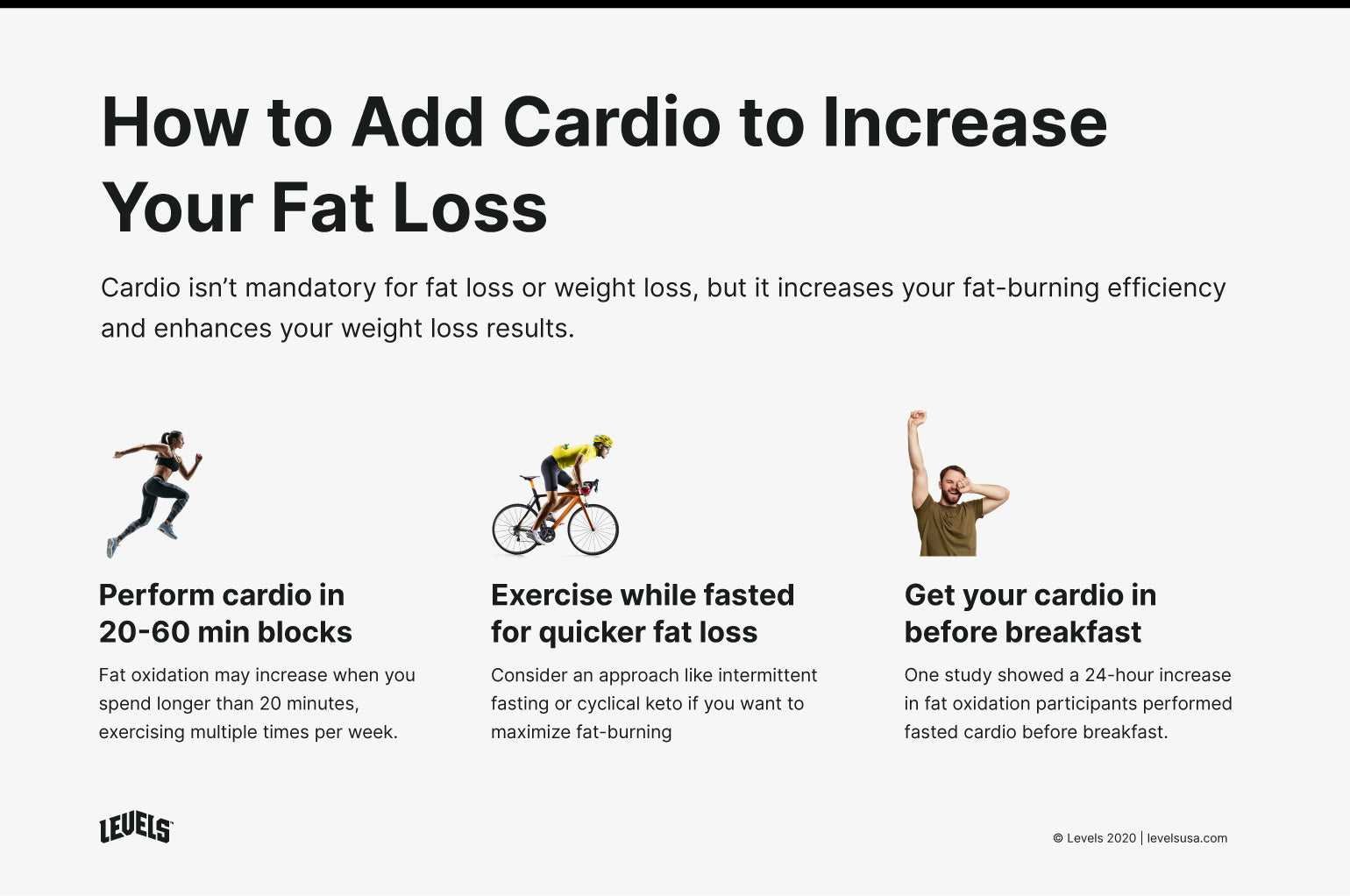
For most adults, aiming for at least 150 minutes of moderate-intensity cardio or 75 minutes of vigorous activity weekly is ideal. Break that down into manageable daily sessions—say, 30 minutes most days—and you’ll boost your health without feeling overwhelmed. The key is consistency and listening to your body.
In just a few minutes each day, you can significantly improve your cardiovascular health, boost your mood, and support your overall fitness goals. But how much cardio you should do depends on your personal fitness level, schedule, and goals. Whether you’re looking to lose weight, improve endurance, or just stay active, there’s a sweet spot for everyone. Keep reading to discover the optimal amount of cardio for your lifestyle and how to make it a sustainable part of your routine.

How Much Cardio Should I Do a Day? A Complete Guide
Understanding Cardio and Its Benefits
Cardio, short for cardiovascular exercise, includes any activity that raises your heart rate and helps improve heart health. It is excellent for burning calories, increasing stamina, and boosting overall health. Regular cardio can reduce the risk of heart disease, improve mood, and support weight management.
Recommended Daily Cardio Duration for Different Goals
The amount of cardio you should do depends on your personal goals—whether it’s weight loss, maintaining health, or training for a specific event. Generally, the guidelines suggest:
- For overall health: At least 150 minutes of moderate-intensity or 75 minutes of vigorous-intensity cardio weekly.
- For weight loss: About 300 minutes of moderate activity weekly, spread over several days.
- For athletic training: Duration varies based on training schedules and race or event requirements.
Breaking Down Daily Cardio Durations
If you aim for 150 minutes a week, that’s roughly 20-25 minutes daily. For higher goals like weight loss, 45 minutes or more each day can be effective, depending on intensity levels.
Balancing Cardio and Other Exercise Types
While cardio is vital, combining it with strength training offers comprehensive health benefits. Strength activities improve muscle mass and bone density, complementing cardio’s cardiovascular advantages. A balanced workout plan includes both components for optimal results.
How Intensity Affects Cardio Duration
Workout intensity directly impacts how long you should exercise. Moderate-intensity workouts mean you can talk but not sing during activity, like brisk walking or cycling. Vigorous workouts make talking difficult, such as running or fast cycling.
- Moderate intensity for beginners or longer duration workouts.
- Vigorous intensity for shorter, more intense sessions.
Keep in mind that shorter sessions of high-intensity exercise can effectively improve cardiovascular fitness and burn calories. For example, high-intensity interval training (HIIT) involves quick bursts of activity followed by rest.
High-Intensity Interval Training (HIIT) and Its Role
HIIT workouts typically last 15-30 minutes and have gained popularity for their efficiency. They involve alternating periods of intense activity with recovery phases. This approach can boost metabolism and improve fitness in less time compared to steady-state cardio.
Pros and Cons of HIIT
- Pros: Burns more calories in less time, increases endurance and metabolism, and can be less monotonous.
- Cons: May be challenging for beginners, risk of injury if not performed properly, and requires adequate recovery time.
Depending on your fitness level, incorporating HIIT 2-3 times per week can be an effective way to supplement your daily cardio routine.
Listening to Your Body and Preventing Overtraining
It’s essential to pay attention to how your body responds to exercise. Overtraining can lead to fatigue, injuries, or burnout. Rest days are vital for recovery, especially after intense cardio sessions.
- If you feel tired or sore, opt for lighter activities or rest.
- Gradually increase duration and intensity to avoid injury.
- Stay hydrated and maintain proper nutrition to support your activity levels.
Age and Fitness Level Considerations
Your age and fitness level influence how much cardio you can safely do each day. Older adults or beginners should start slow and gradually increase duration and intensity.
- Children and teens often engage in more physical activity naturally but should still balance rest and activity.
- Adults should aim for consistent, moderate activity, adjusting intensity as needed.
- Seniors should prioritize low-impact options like swimming or walking, avoiding excessive strain.
Always consult with a healthcare provider before starting a new exercise regimen, especially if you have health concerns.
Integrating Cardio Into Daily Life
Finding enjoyable ways to incorporate cardio can make it easier to stick to your routine. Activities like walking with a friend, dancing, or cycling to work are convenient options.
Tips for Staying Active Daily
- Set specific goals for each day.
- Use a fitness tracker or app for motivation.
- Vary your activities to prevent boredom.
- Involve friends or family for encouragement.
Consistency is key for seeing health benefits from cardio exercises.
Determining how much cardio to do daily depends on your objectives, fitness level, and lifestyle. For general health, around 20-30 minutes daily of moderate activity is a good starting point. If weight loss or athletic performance is your goal, increasing intensity and duration can produce better results. Always listen to your body, balance cardio with other exercises, and enjoy the activities you choose. Staying consistent and gradually building up your routine can lead to improved health, greater energy, and a stronger body.
Frequently Asked Questions
What is the recommended daily duration for cardio exercises?
For optimal health benefits, aim for at least 150 minutes of moderate-intensity cardio activity per week, which breaks down to about 30 minutes a day, five days a week. If you prefer vigorous-intensity workouts, about 75 minutes spread across the week can be sufficient. Adjust based on your fitness level and goals to avoid overexertion.
How can I determine the right amount of cardio based on my fitness goals?
Choose the duration of your cardio workouts based on your specific goals. If you want to improve endurance, engaging in longer sessions, such as 45-60 minutes, may be beneficial. For weight loss, combining moderate-duration sessions with increased frequency can enhance results. Always listen to your body and scale intensity to prevent injury and burnout.
Is it better to do short, high-intensity cardio sessions or longer, moderate workouts?
Both approaches offer benefits. Short, high-intensity sessions like HIIT can boost cardiovascular fitness in less time and increase calorie burn after exercise. Longer, moderate workouts help build endurance and are easier to sustain for beginners. Incorporate a mix of both into your routine for balanced fitness and varied challenges.
Final Thoughts
The optimal amount of cardio varies based on individual goals and fitness levels. Generally, 150 minutes of moderate-intensity or 75 minutes of vigorous activity weekly offers health benefits.
For daily routines, aim for about 30 minutes, five days a week, adapting based on your schedule and how your body responds.
In summary, how much cardio should I do a day depends on your personal goals and lifestyle. Prioritize consistency and listen to your body to stay motivated and safe.
As an Amazon Associate, We earn from qualifying purchases. When you purchase a product through Amazon links on pulsefitguide.com, we may earn a small commission at no extra cost to you. This helps support the site and keep our content free.