

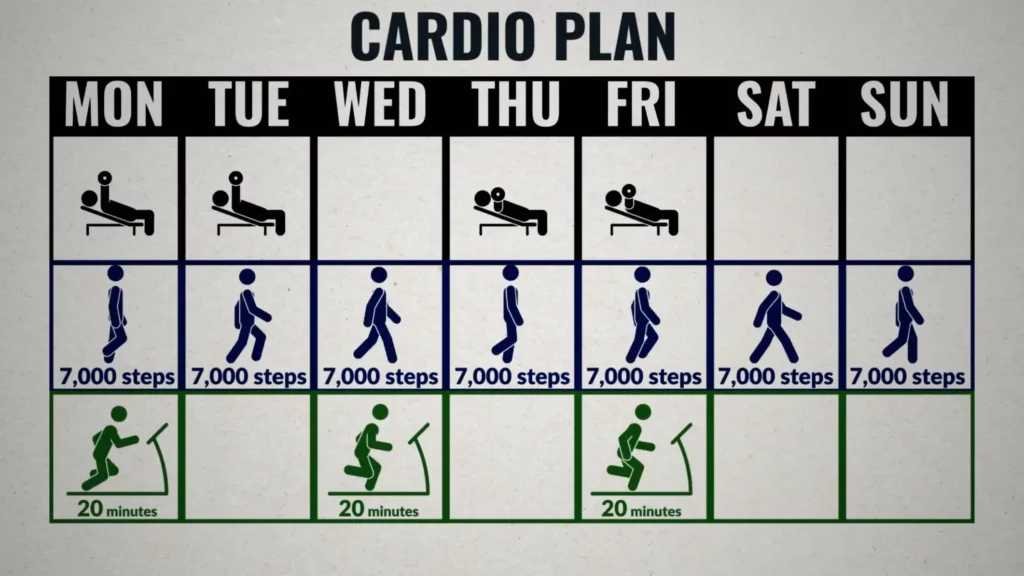
For effective weight loss, aim for at least 150 minutes of moderate-intensity cardio activity per week, or about 75 minutes of vigorous exercise. Combining both types can accelerate your results, but consistency is key. Ultimately, how much cardio you need depends on your goals, diet, and current activity level.
If you want to shed pounds efficiently, doing around 150 minutes of moderate cardio weekly is a solid starting point. Increasing your activity level to about 300 minutes can lead to even faster progress. Remember, pairing regular exercise with a balanced diet maximizes weight loss and improves overall health.
Getting into a cardio routine can feel overwhelming, but it’s the most straightforward way to burn calories and boost your metabolism. Whether it’s brisk walking, cycling, running, or swimming, consistent cardio helps create that calorie deficit necessary for weight loss. The key is finding activities you enjoy and sticking with them regularly, making your fitness journey sustainable and enjoyable.

How Much Cardio Per Week to Lose Weight
Understanding the Role of Cardio in Weight Loss
Cardio exercises burn calories, which helps create the calorie deficit needed for weight loss. Regular cardio can boost your metabolism and improve cardiovascular health. To lose weight effectively, you need to find the right amount of cardio that fits your goals and lifestyle.
How Many Calories Does Cardio Burn?
Different types of cardio burn varying amounts of calories. For example, running burns more calories per minute than walking. On average, 30 minutes of jogging can burn around 300 calories, while walking burns approximately 150 calories in the same time frame. Knowing these numbers helps plan your weekly routine.
Recommended Weekly Cardio for Weight Loss
The American Heart Association suggests at least 150 minutes of moderate-intensity cardio each week. For weight loss, aiming for 300 minutes weekly can produce faster results. This equals about 45 to 60 minutes of cardio most days of the week.
Moderate-Intensity vs. Vigorous-Intensity Cardio
Moderate-intensity includes activities like brisk walking or cycling. Vigorous-intensity involves running or fast cycling. Both are effective, but vigorous cardio can burn more calories in less time. Combining both types can keep your routine interesting and effective.
Breaking Down Cardio Frequency
Consistent cardio sessions spread throughout the week are best. For beginners, starting with three to four sessions can build stamina and prevent injury. More experienced exercisers might aim for five to six sessions for greater weight loss.
Duration of Each Cardio Session
Your sessions should last between 30 to 60 minutes. Shorter, high-intensity workouts can be just as effective as longer, moderate workouts. If energy or time is limited, high-intensity interval training (HIIT) offers a great alternative.
High-Intensity Interval Training (HIIT) and Weight Loss
HIIT involves short bursts of intense activity followed by rest periods. It burns many calories quickly and boosts your metabolism for hours afterward. Incorporating HIIT twice a week can significantly increase fat loss without requiring extra time.
Example of a Weekly Cardio Plan
- Monday: 45 minutes brisk walking or cycling
- Tuesday: 30 minutes HIIT session
- Wednesday: Rest or light activity
- Thursday: 60 minutes jogging or swimming
- Friday: 30 minutes high-intensity workout
- Saturday: 45 minutes of hiking or dancing
- Sunday: Rest or gentle stretching
Balancing Cardio with Strength Training
While cardio helps burn calories, strength training builds muscle, which can increase your resting metabolism. Combining both leads to better and faster weight loss. Aim for two to three strength sessions each week alongside your cardio routine.
Why Incorporate Strength Training?
Muscle tissue burns more calories than fat even when at rest. Building muscle helps your body become more efficient at burning calories throughout the day. It also helps tone your body and improve overall fitness.
Tracking Progress and Adjusting Your Routine
Monitoring your workouts helps stay motivated and see progress. Use apps or fitness trackers to track duration, intensity, and calories burned. As you get fitter, increase your cardio duration or intensity to keep challenging your body.
Signs You Need to Adjust Your Cardio Routine
- Plateau in weight loss
- Feeling less energetic
- Increasing fatigue or soreness
- Stalling progress despite consistent effort
Important Tips for Effective Cardio for Weight Loss
- Start slow and gradually increase intensity
- Stay consistent with your routine
- Mix different types of cardio to prevent boredom
- Fuel your body with healthy foods before and after workouts
- Stay hydrated to optimize performance and recovery
Risks and Precautions
Overdoing cardio can lead to fatigue or injury. Listen to your body and rest when needed. Combining high-intensity workouts with proper recovery days helps prevent burnout. Always consult a healthcare professional before starting a new exercise program.
Balancing Cardio with Diet and Lifestyle
Exercise alone may not be enough for significant weight loss. Pair your cardio routine with a balanced diet rich in vegetables, lean proteins, and whole grains. Adequate sleep and stress management also play roles in losing weight and maintaining health.
The amount of cardio needed to lose weight depends on your goals, current fitness level, and schedule. Most effective plans include at least 150 minutes of moderate cardio per week, with some aiming for 300 minutes. Incorporate variety, balance with strength training, and listen to your body for the best results.
Remember, consistency is key. Regular, well-planned cardio sessions combined with a healthy diet help you reach your weight loss goals efficiently. Keep track of your progress, stay motivated, and adjust your routine as needed to stay on the path to success.
Frequently Asked Questions
How does the intensity of cardio workouts affect weight loss outcomes?
Higher intensity cardio sessions, like running or high-intensity interval training (HIIT), burn more calories in a shorter period and can boost your metabolism even after the workout. These workouts can accelerate fat loss when combined with a balanced diet. However, it’s essential to balance intense sessions with adequate rest to prevent injury and overtraining. Incorporating varying intensities keeps your routine engaging and ensures sustainable progress.
Is it necessary to do daily cardio to see weight loss results?
You don’t need to do cardio every day to lose weight. Engaging in cardio workouts about 3 to 5 times per week allows your body enough recovery time while maintaining calorie expenditure. Consistency over several weeks produces noticeable results. Be sure to combine your cardio with strength training and proper nutrition for the best overall weight management.
Can combining different types of cardio help me lose weight more effectively?
Yes, alternating between various forms of cardio, such as swimming, cycling, and brisk walking, can prevent workout boredom and reduce the risk of plateaus. Different activities target different muscles and energy systems, enhancing overall calorie burn. Mixing activities also minimizes repetitive strain on joints and keeps your routine fresh, encouraging long-term adherence.
How much cardio should I do if I have a sedentary lifestyle?
If you lead a mostly inactive lifestyle, start with gentle sessions like brisk walking or light cycling for about 20-30 minutes, three times a week. Gradually increase the duration and intensity as your fitness improves. Consistency is key, and combining cardio with some strength exercises can help build a more active routine and promote steady weight loss.
Is it better to do cardio in the morning or evening for weight loss?
Both morning and evening cardio sessions can contribute to weight loss, depending on your schedule and preferences. Morning workouts might boost your metabolism and set a healthy tone for the day, while evening workouts can help release stress and improve sleep quality. The most important factor is choosing a time that allows you to exercise consistently and enjoyably.
Final Thoughts
how much cardio per week to lose weight depends on individual goals and fitness levels. Most experts recommend 150 minutes of moderate-intensity cardio or 75 minutes of vigorous activity weekly. Consistency is key; spreading sessions throughout the week yields better results. Balancing cardio with strength training improves overall weight loss and health. Stay committed, and you will see progress toward your goals.
As an Amazon Associate, We earn from qualifying purchases. When you purchase a product through Amazon links on pulsefitguide.com, we may earn a small commission at no extra cost to you. This helps support the site and keep our content free.