

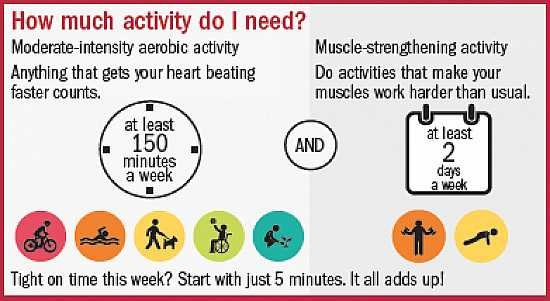
For optimal heart health, aim for at least 150 minutes of moderate-intensity cardio or 75 minutes of vigorous activity each week. This balanced approach helps strengthen your heart, improve circulation, and reduce the risk of cardiovascular disease. Remember, consistency is key—spread out your workouts throughout the week for the best results.
Getting enough cardio doesn’t mean pushing yourself to exhaustion; it’s about finding the right amount that fits your lifestyle while keeping your heart in top shape. If you’re wondering how much cardio is enough, think of it as a weekly habit rather than a daily chore. By staying active regularly, you’re doing your heart a favor—improving overall health and boosting your energy levels. Whether you prefer walking, cycling, or swimming, keep moving steadily to reap the maximum health benefits.

How Much Cardio for Heart Health
Understanding Why Cardio Matters for Heart Health
Cardio exercise is essential for keeping the heart strong and healthy. It helps increase circulation, lower blood pressure, and reduce bad cholesterol levels. Regular cardio also helps manage weight, which is crucial for preventing heart disease.
What Counts as Cardio Exercise?
Cardio exercises are activities that make your heart beat faster. Common examples include walking, running, cycling, swimming, dancing, and jumping rope. Even activities like gardening or brisk cleaning can count if they raise your heart rate enough.
How Much Cardio Is Recommended?
The American Heart Association suggests at least 150 minutes of moderate-intensity aerobic activity each week. That’s about 30 minutes five days a week. Alternatively, you can do 75 minutes of vigorous-intensity exercise weekly, which is roughly 15 minutes three times a week.
Breaking It Down for Better Results
You can spread your exercise throughout the week. For example, three 10-minute walks each day can be just as good as a single 30-minute session. Consistency matters more than immediate intensity or duration.
What Is Moderate-Intensity Cardio?
Moderate-intensity means you can talk comfortably but not sing while exercising. Examples include brisk walking, leisurely cycling, or water aerobics. Your heart rate should be about 50 to 70% of your maximum heart rate during these activities.
Vigorous-Intensity Cardio Explained
Vigorous exercise significantly boosts your heart rate and breathing. Activities like running, fast cycling, or aerobic dancing fall into this category. During vigorous activity, your heart rate should reach about 70 to 85% of your maximum heart rate.
Calculating Your Target Heart Rate
To find your ideal range, subtract your age from 220 to get your maximum heart rate. Then, multiply that number by 0.5 and 0.85 to find your target zone. For example, a 40-year-old should aim for a heart rate between 90 and 153 beats per minute.
Balancing Cardio and Rest
Rest days are crucial to let your body recover and prevent injuries. Alternating days of moderate and vigorous exercise helps keep your heart healthy without overtaxing your body. Always listen to your body and avoid pushing too hard, especially when starting out.
Monitoring Your Heart Rate During Exercise
Using a heart rate monitor or smartwatch can keep you in the right zone. You can also check your pulse manually after a few minutes of activity. Staying within your target heart rate ensures you’re gaining cardiovascular benefits safely.
How to Progress Safely with Cardio
Start with shorter sessions if you’re new to exercise. Gradually increase duration or intensity over time. This approach helps your body adapt without risking injury or burnout. Consistency and patience lead to better heart health in the long run.
Adding Variety for Better Engagement
Mix different cardio activities to stay motivated. For example, alternate between walking, swimming, or cycling. Variety prevents boredom and works different muscle groups, making your workouts more effective.
The Impact of Cardio on Heart Disease Prevention
Regular cardio helps lower harmful cholesterol levels and blood pressure, which are major risk factors for heart disease. It also improves blood vessel function and reduces inflammation. These benefits work together to protect your heart and improve overall health.
Considering Personal Factors and Limitations
Age, fitness level, and existing health conditions influence how much cardio you should do. Those with heart problems or other health issues should consult a healthcare provider before starting a new workout routine. Tailoring your activity level makes exercise safer and more effective.
Special Tips for Different Age Groups
Children and teenagers should aim for at least 60 minutes of moderate to vigorous activity daily. Adults should follow the general guidelines, while older adults may need to modify intensity based on their health. Always focus on enjoyable activities to stay consistent.
Additional Tips for Heart-Healthy Cardio
- Warm up before exercising to prepare your heart and muscles.
- Cool down afterward to gradually lower your heart rate.
- Stay hydrated and wear comfortable clothing.
- Listen to your body’s signals—don’t ignore pain or dizziness.
The Role of Lifestyle in Supporting Cardio Exercise
Eating a balanced diet rich in fruits, vegetables, whole grains, and lean proteins complements your cardio routine. Managing stress and avoiding smoking further protect your heart. Combining these habits creates a comprehensive approach to heart health.
Building a Sustainable Cardio Routine
Set realistic goals and choose activities you enjoy. Scheduling workouts at convenient times helps establish consistency. Remember, even small, regular efforts can lead to significant heart health benefits over time.
Incorporating Cardio Into Daily Life
Walking or biking to work, taking stairs instead of elevators, and active breaks during the day are simple ways to increase your activity levels. These small changes make a big difference over weeks and months.
Using Technology to Stay Motivated
Fitness apps and trackers can set goals, record progress, and provide encouragement. Joining group classes or exercise groups also boosts motivation and accountability.
Tracking Your Progress and Adjusting
Regularly assess your fitness level and adjust your routine accordingly. Increasing duration, intensity, or variety keeps your heart challenged and improves results. Celebrate milestones to stay motivated.
The Bottom Line on Cardio and Heart Health
Engaging in moderate to vigorous cardio regularly helps keep your heart strong and resilient. The key is consistency, appropriate intensity, and listening to your body’s signals. Making cardio a part of your lifestyle supports a healthier heart now and in the future.
Frequently Asked Questions
How often should I perform cardio exercises to support heart health?
For optimal heart health, aim for at least 150 minutes of moderate-intensity cardio exercise each week. This typically involves about 30 minutes most days of the week. Consistency is key, so spreading out your workouts allows your heart to gradually strengthen and improves overall cardiovascular function. Incorporate activities like brisk walking, cycling, or swimming to meet these guidelines comfortably.
What is the ideal duration of a cardio session for maintaining heart health?
A cardio session lasting between 30 to 45 minutes provides significant benefits for heart health. This duration helps elevate your heart rate sufficiently to improve circulation, strengthen your heart muscle, and enhance endurance. If you are new to exercise, start with shorter sessions and gradually increase the duration as your fitness level improves.
Can high-intensity interval training (HIIT) improve heart health effectively?
Yes, HIIT can be highly effective for cardiovascular health, especially for those with limited time. Short bursts of high-intensity effort followed by recovery periods help improve your heart’s efficiency, increase stamina, and boost metabolic health. Incorporate HIIT into your routine 1 to 2 times per week, ensuring proper warm-up and cool-down periods to prevent injury.
How do I balance cardio with other types of exercise for overall heart fitness?
Combining cardio with strength training and flexibility exercises creates a well-rounded fitness plan that benefits the heart. Aim to include strength training at least twice a week to support muscle health, alongside your cardio workouts. This mix enhances circulation, reduces blood pressure, and promotes cardiovascular resilience. Always listen to your body and adjust your schedule to avoid overtraining.
Final Thoughts
In conclusion, how much cardio for heart health depends on individual goals and fitness levels. Generally, 150 minutes of moderate-intensity or 75 minutes of vigorous activity weekly benefits the heart significantly. Consistency remains key to seeing lasting improvements.
Incorporate a variety of cardio exercises, such as walking, cycling, or swimming, to stay motivated. Remember, gradual progression ensures safety and sustainability. Prioritize regular activity, and you’ll support your heart health effectively.
As an Amazon Associate, We earn from qualifying purchases. When you purchase a product through Amazon links on pulsefitguide.com, we may earn a small commission at no extra cost to you. This helps support the site and keep our content free.