

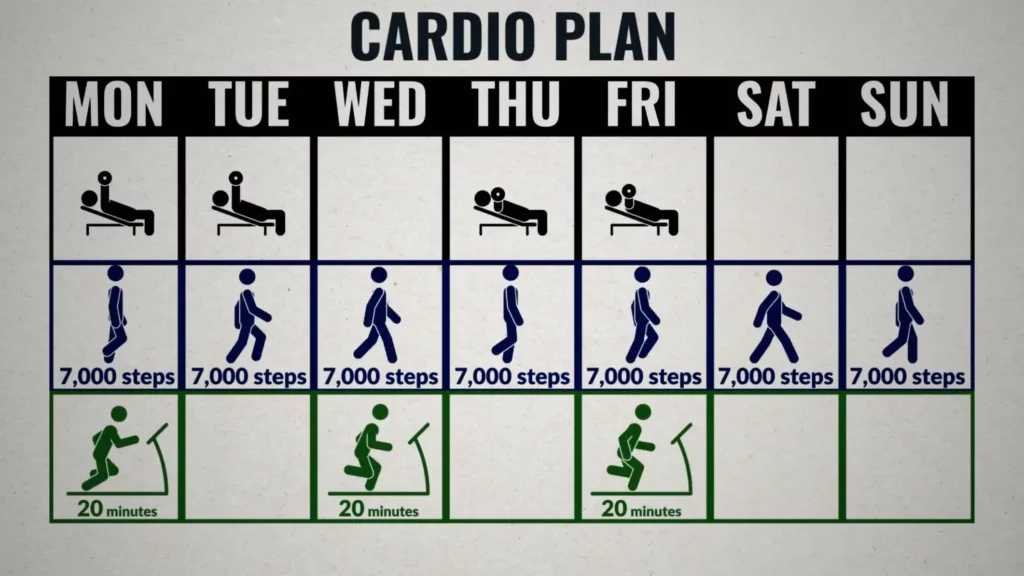
The amount of cardio you need to lose weight varies depending on your goals, current fitness level, and lifestyle, but generally, aiming for at least 150 minutes of moderate-intensity or 75 minutes of high-intensity cardio weekly is effective. Incorporating consistent cardiovascular exercise can accelerate weight loss when paired with a balanced diet.
Most people trying to shed pounds should aim for around 150 minutes of moderate-intensity cardio per week, such as brisk walking or cycling, or about 75 minutes of vigorous activity like running. Consistency is key, and gradually increasing intensity and duration can help you see better results. Combining cardio with strength training and healthy eating maximizes your chances of reaching your target weight efficiently.
Jumping into a cardio routine might seem overwhelming, especially when you’re eager to see results fast. The good news is, you don’t need to spend hours every day on the treadmill to lose weight. Finding the right balance—whether it’s 30-minute sessions a few times a week or longer workouts—can fit into your schedule and boost your metabolism. Remember, the key isn’t just how much cardio you do, but also how regularly and intensely you work out, along with maintaining a nutritious diet. So, start simple, stay consistent, and watch your progress unfold!

How Much Cardio Do I Need to Lose Weight
Understanding the Role of Cardio in Weight Loss
Cardio exercises help burn calories, which is essential for weight loss. The more calories you burn, the more likely you are to lose weight. But it’s important to balance cardio with other healthy habits for best results.
How Many Calories Do You Need to Burn?
Losing weight involves creating a calorie deficit—burning more calories than you eat. On average, burning 3,500 calories results in losing about one pound. Regular cardio helps increase this calorie burn.
Recommendations for Cardio Duration
The Centers for Disease Control and Prevention (CDC) recommends at least 150 minutes of moderate-intensity cardio weekly. This equals about 30 minutes a day, five days a week. For weight loss, some people increase this to 300 minutes per week for faster results.
How Intensity Affects Cardio Needs
Your workout intensity influences how much cardio you need. Moderate cardio includes brisk walking or casual cycling. Vigorous cardio involves running or intense aerobics. Higher intensity burns more calories in less time, but should be balanced with your fitness level.
Types of Cardio Exercises
There are many ways to get your cardio in:
- Walking or Jogging
- Swimming
- Cycling
- Jump Rope
- Dancing
Choose activities you enjoy, so staying consistent is easier.
Incorporating Interval Training
Interval training involves alternating between high-intensity bursts and recovery periods. It is highly effective for burning calories quickly and boosting metabolism. For example, sprint for 30 seconds, then walk for one minute, repeat several times.
How Much Cardio Is Enough for Weight Loss?
The amount of cardio needed varies based on individual factors. Usually, doing at least 150 to 300 minutes of moderate to vigorous cardio weekly promotes weight loss. But some might need more based on their metabolism and lifestyle.
Factors That Influence Cardio Needs
- Current weight and body composition
- Age and gender
- Diet and calorie intake
- Genetics
- Type and intensity of workouts
Understanding these can help you customize a plan that works for you.
Combining Cardio with Resistance Training
While cardio burns calories, adding strength training can help preserve muscle mass during weight loss. More muscle increases your resting metabolic rate, leading to more calorie burn even at rest. Combining both provides the best overall results.
The Importance of Rest and Recovery
Rest days prevent injury and help your body recover. Overdoing cardio can lead to fatigue or burnout. Aim for at least one or two rest days per week, especially if you’re exercising intensely.
Monitoring Your Progress
Track your workouts and weight regularly to see how much cardio helps. Use apps, a journal, or wearable devices. Adjust your exercise time as needed to stay on track with your weight loss goals.
Listening to Your Body
Pay attention to signs of fatigue, soreness, or pain. Pushing too hard can cause setbacks. Find a sustainable routine that challenges you without overexerting.
The amount of cardio you need depends on your personal goals, fitness level, and lifestyle. For steady weight loss, aim for at least 150 minutes of moderate activity weekly, with some people benefiting from up to 300 minutes. Incorporating a mix of exercises, adjusting intensity, and combining cardio with strength training create effective weight loss plans. Remember, consistency and listening to your body are key to achieving lasting results.
Frequently Asked Questions
How can I determine the right amount of cardio for my weight loss goals?
To find the right amount of cardio, consider your current fitness level, dietary habits, and overall activity schedule. Starting with 150 minutes of moderate-intensity cardio each week, such as brisk walking or cycling, is a solid baseline. Adjust your routine based on how your body responds, gradually increasing duration or intensity to continue challenging yourself without overtraining.
Is doing more cardio always better for losing weight?
Not necessarily. While increasing cardio can help burn more calories, overdoing it may lead to fatigue or injury. Balance cardio sessions with proper rest and strength training to preserve muscle mass. Focus on consistency and incorporating a mix of workouts to optimize fat loss without stressing your body excessively.
How does the intensity of cardio affect weight loss results?
The intensity of your cardio sessions influences how many calories you burn in a given period. Higher-intensity workouts, like running or interval training, tend to burn more calories in less time and boost your metabolism after exercise. However, moderate-intensity activities can be sustained longer, providing a steady calorie burn. Combine different intensities based on your fitness level for the best results.
Should I include rest days in my cardio routine?
Yes, incorporating rest days into your routine allows your muscles to recover and reduces the risk of injury. Rest days help prevent burnout and improve overall performance. Depending on your workout intensity and frequency, plan at least one or two rest days each week to maintain a sustainable and effective routine.
How does workout duration impact weight loss through cardio?
Longer cardio sessions can increase your calorie expenditure, aiding weight loss. However, intensity also plays a significant role. For example, shorter, high-intensity workouts may be just as effective as longer, moderate-intensity sessions. Focus on maintaining a consistent schedule and gradually increasing either duration or intensity to see steady progress.
Final Thoughts
how much cardio do i need to lose weight depends on individual goals and fitness levels. Generally, 150 minutes of moderate-intensity cardio weekly helps with weight loss, but some may need more for faster results.
Consistency is key; gradually increasing your activity ensures progress without overexertion. Listening to your body and combining cardio with strength training maximizes fat loss.
Ultimately, the right amount varies, but staying active regularly plays a vital role. Remember, how much cardio do i need to lose weight should align with your personal goals and lifestyle.
As an Amazon Associate, We earn from qualifying purchases. When you purchase a product through Amazon links on pulsefitguide.com, we may earn a small commission at no extra cost to you. This helps support the site and keep our content free.