

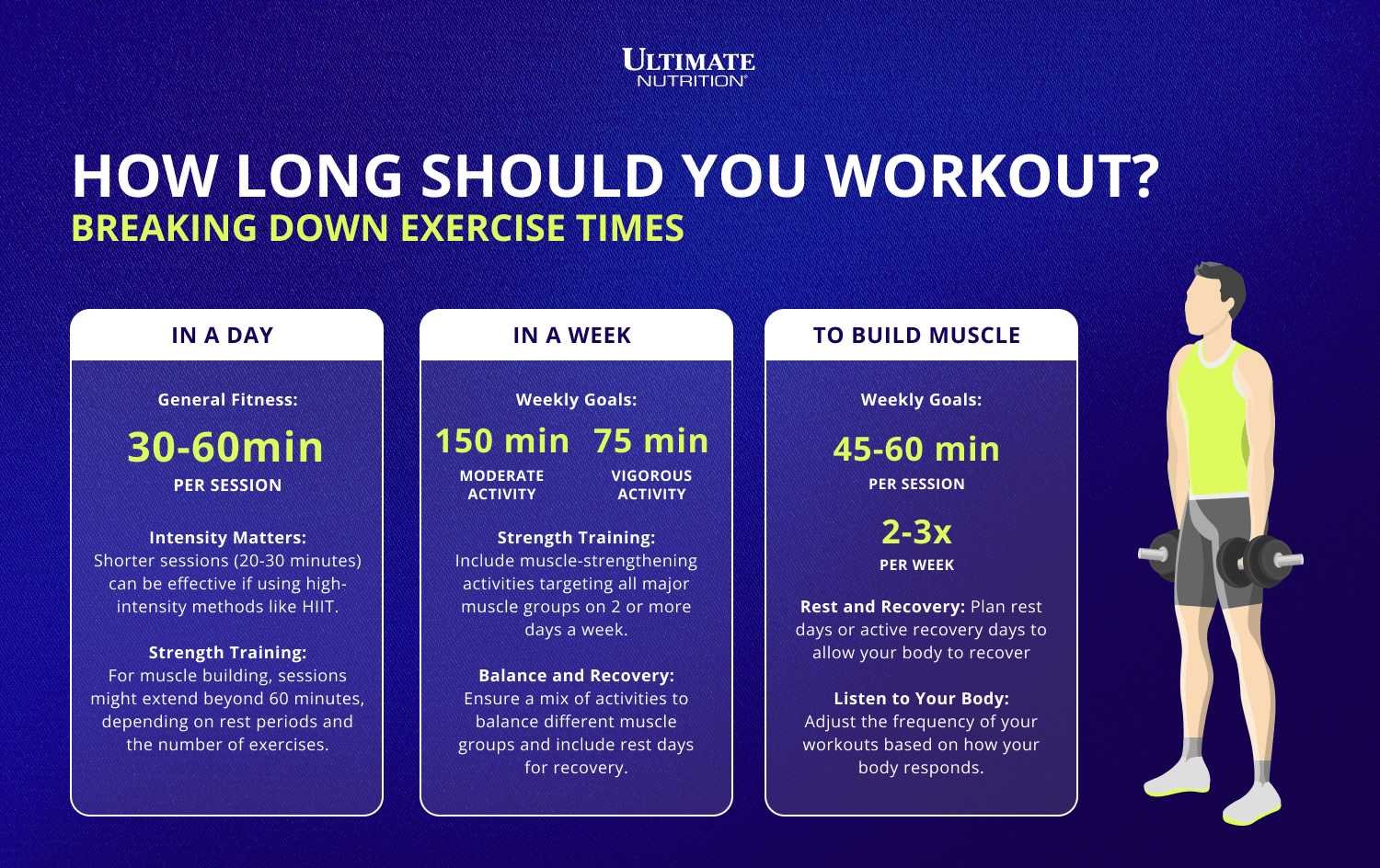
You should aim to do Body Balance about 2 to 3 times a week for optimal results. This frequency helps improve flexibility, strength, and mental clarity without overtraining. Consistency is key to feeling the full benefits of this holistic workout, blending yoga, tai chi, and Pilates.
In just a few sessions each week, Body Balance can enhance your overall well-being, boost energy, and promote relaxation. Finding the right number of classes to fit your lifestyle ensures you stay motivated and see steady progress. Let’s explore how often you should incorporate Body Balance into your routine to get the best results and keep you feeling balanced and refreshed.

How Many Times a Week Should You Do Body Balance?
Understanding how many times a week to do body balance is key to improving your fitness and wellbeing. This practice combines elements of yoga, pilates, and tai chi to enhance flexibility, strength, and mental clarity. The right frequency depends on your fitness goals, experience level, and lifestyle.
What Is Body Balance and Why Is It Important?
Body balance involves exercises that improve coordination, posture, and core stability. It helps prevent injuries and boosts overall body awareness. Regular practice can also reduce stress and improve mental focus.
Incorporating body balance into your routine supports healthy joints and muscles. It also encourages mindfulness, making it a holistic workout option. Therefore, understanding how often to practice is crucial for optimal results.
Factors Influencing How Often to Practice Body Balance
Fitness Goals
If your goal is to increase flexibility and reduce stress, practicing two to three times weekly may suffice. For building strength and endurance, more frequent sessions might be necessary.
Skill Level
Beginners should start slow, with one to two sessions per week, allowing their body to adapt. Advanced practitioners can increase frequency to four or five times weekly for more intensity.
Time Availability
Your schedule plays a big role in how often you can practice. Consistency matters more than duration, so find a realistic routine that fits your lifestyle.
Recovery and Rest
Since body balance focuses on stability and flexibility, adequate rest between sessions is important. Overtraining can lead to fatigue and injuries.
Recommended Frequency for Different Goals
| Goal | Frequency | Notes |
|---|---|---|
| Stress Relief and Flexibility | 2 to 3 times per week | Focus on gentle, restorative sessions |
| Building Strength and Endurance | 3 to 4 times per week | Include more challenging poses and longer sessions |
| Balance Improvement and Core Stability | 3 to 5 times per week | Regular practice enhances stability and coordination |
How to Structure Your Body Balance Routine
Start with Warm-Ups
Begin each session with light warm-up exercises to prepare your muscles and joints. This helps prevent injuries and improves flexibility.
Focus on Different Areas
Alternate between routines targeting flexibility, strength, and mental focus. This variety keeps your sessions engaging and comprehensive.
Incorporate Rest Days
Allow at least one day per week for rest or light activity. Rest promotes muscle recovery and prevents burnout.
Sample Weekly Body Balance Schedule
- Monday: Gentle yoga for flexibility and stress relief
- Tuesday: Pilates-inspired core strengthening exercises
- Wednesday: Rest or light stretching
- Thursday: Intermediate body balance routine focusing on stability
- Friday: Mindfulness-based session with breathing exercises
- Saturday: Advanced balance poses and endurance training
- Sunday: Rest or relaxing activity like walking
Tips for Maximizing Your Practice
- Stay consistent—regular practice yields the best results
- Listen to your body—avoid pushing into pain or discomfort
- Use proper equipment like mats and supportive footwear if needed
- Set realistic goals and track your progress
- Consider professional guidance for personalized routines
Common Mistakes to Avoid When Practicing Body Balance
- Overdoing it without proper rest
- Ignoring proper form and technique
- Skipping warm-up and cool-down phases
- Neglecting to modify poses according to ability
- Failing to set achievable goals
Related Topics to Explore
Incorporating Breathing Techniques
Breathing enhances focus and relaxation during practice. Deep breathing exercises can make your sessions more effective.
Complementary Fitness Activities
Combine body balance with cardio, strength training, or flexibility exercises for a well-rounded fitness plan.
Nutrition and Hydration
Proper nutrition supports muscle recovery and energy levels. Stay hydrated to improve exercise performance.
Adjusting Your Routine for Changes in Lifestyle or Goals
As your fitness improves, consider increasing practice frequency or intensity. Conversely, prioritize rest when feeling fatigued or recovering from injury.
Flexibility in your schedule helps maintain long-term consistency and prevents burnout.
Overall, practicing body balance about three times a week offers a great balance between improving stability, enhancing flexibility, and allowing your body to recover. Tailor your routine based on your goals, experience, and lifestyle to get the best results from your practice. Regularity and mindful adjustment make all the difference in achieving lasting benefits.
One month of working and just look at how much my flexibility has improved 😱
Frequently Asked Questions
What is the recommended frequency for practicing Body Balance each week?
It is generally recommended to practice Body Balance 2 to 3 times a week. This frequency allows your muscles to recover while still providing consistent training to improve flexibility, strength, and mental focus. Adjust the number of sessions based on your fitness level and personal goals for optimal results.
Can practicing Body Balance more than three times a week benefit my progress?
Yes, practicing Body Balance more than three times a week can be beneficial if you listen to your body and avoid overtraining. Increasing your sessions to 4 or 5 times weekly can enhance flexibility and deepen your mindfulness practice. However, ensure you include rest days to prevent fatigue and allow your muscles to recover.
How should I space out my Body Balance sessions throughout the week?
Spacing your sessions every other day works well for most people. This spacing gives your muscles time to recover and reduces the risk of injury. For example, practicing on Monday, Wednesday, and Friday allows consistent training while giving your body adequate rest between sessions.
Final Thoughts
How many times a week body balance should be practiced depends on individual goals and fitness levels. For most people, engaging in body balance 2 to 3 times weekly provides noticeable benefits. Consistency is key to improving flexibility, strength, and stability.
Listening to your body is important; avoid overtraining and ensure proper rest. Adjust frequency based on your progress and comfort.
In conclusion, how many times a week body balance should be practiced varies, but 2 to 3 sessions often yield the best results.
As an Amazon Associate, We earn from qualifying purchases. When you purchase a product through Amazon links on pulsefitguide.com, we may earn a small commission at no extra cost to you. This helps support the site and keep our content free.