

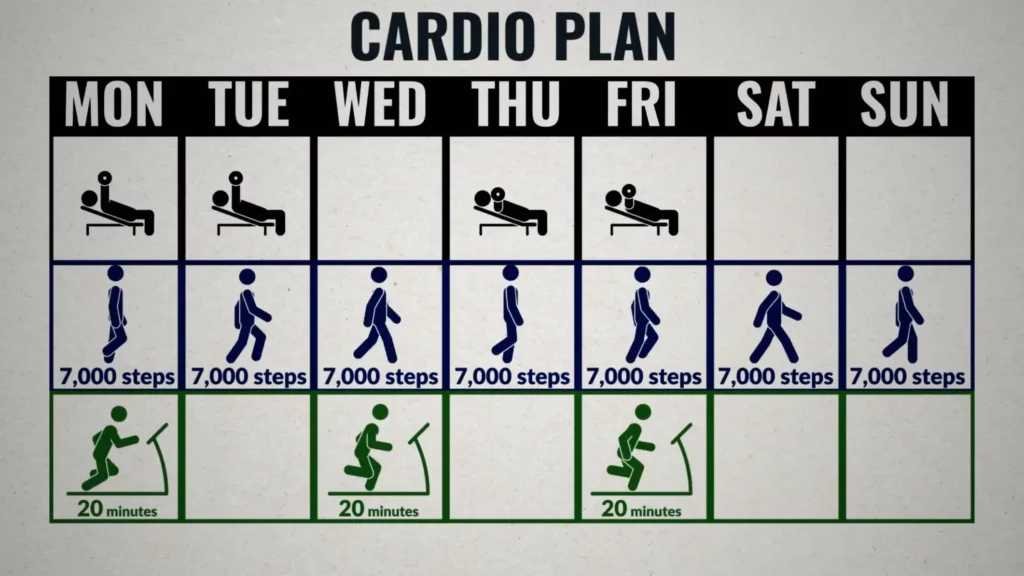
Aim for at least 150 minutes of moderate-intensity cardio or 75 minutes of vigorous activity each week for optimal health. This amount can boost your energy, improve your heart health, and help manage your weight. The key is consistency—finding activities you enjoy so you’ll stick with them over time.
Most adults should aim for about 150 minutes of moderate exercise or 75 minutes of intense workouts weekly. Whether it’s brisk walking, cycling, or swimming, spreading these minutes across several sessions makes fitness more manageable and sustainable. Listening to your body and choosing activities that excite you can turn exercise from a chore into a fun part of your routine. Remember, even small amounts of movement are better than none, and starting gradually can lead to lasting health benefits.

How Many Minutes of Cardio a Week: A Complete Guide
Understanding the Importance of Cardio Exercise
Cardio exercise is essential for maintaining overall health. It helps strengthen the heart and lungs, improve circulation, and boost energy levels. Regular cardio can also aid in weight management and reduce the risk of chronic diseases such as diabetes and high blood pressure.
Daily vs. Weekly Cardio: What’s the Difference?
Many people wonder whether they should focus on daily cardio sessions or accumulate minutes throughout the week. While daily activity is good, the key is consistency and total weekly duration. The goal is to find a sustainable routine that fits your schedule and fitness level.
Recommended Weekly Cardio Duration According to Health Guidelines
Health authorities like the World Health Organization and the CDC recommend at least 150 minutes of moderate-intensity or 75 minutes of vigorous-intensity cardio exercise per week. This equates to about 30 minutes, five days a week. For additional health benefits, doubling this amount is encouraged.
Breaking Down Cardio Sessions: How Long Should They Be?
You can divide your cardio into smaller sessions if needed. For example, you might do three 10-minute walks or two 15-minute jogs. Shorter sessions can be just as effective, especially if performed consistently.
Advantages of Longer Cardio Sessions
Longer workouts, such as 45 minutes to an hour, can help burn more calories in a single session. They also improve endurance and can enhance mental well-being. If your schedule allows, longer sessions can be more fulfilling.
Benefits of Shorter, Frequent Cardio Sessions
Frequent shorter sessions, like 10-minute brisk walks, are easier to fit into busy days. They can boost metabolism and keep energy levels high throughout the day. This approach also reduces the risk of fatigue and injury.
Choosing the Right Intensity Level
The amount of cardio needed depends on intensity. Moderate-intensity exercises include brisk walking or cycling, where you can talk but not sing. Vigorous activities like running or jumping rope will raise your heart rate significantly.
Determining Your Target Heart Rate
A good way to measure intensity is by checking your heart rate. During moderate exercise, aim for 50-70% of your maximum heart rate. For vigorous activity, target 70-85%. You can estimate your maximum heart rate by subtracting your age from 220.
Balancing Cardio with Other Fitness Activities
While cardio is vital, combining it with strength training and flexibility exercises creates a well-rounded fitness routine. Incorporate two to three days of strength training weekly for better overall health and muscle support.
Adapting Cardio Minutes for Different Fitness Levels
Beginners should start with shorter sessions, around 10-15 minutes, gradually increasing as endurance improves. Advanced exercisers can aim for longer durations or higher intensity for continued progress.
For Sedentary Individuals
Start with gentle activities like walking or swimming for 10 minutes daily, gradually increasing to 30 minutes. The key is consistency and avoiding injury.
For Active Individuals
If you’re already active, aim for 150 minutes or more of moderate activity or 75 minutes of vigorous activity. Mix different types of cardio to prevent boredom and plateaus.
Tracking Your Progress and Staying Motivated
Using a fitness tracker or mobile app can help monitor your weekly minutes. Set achievable goals, such as adding 5-minute increments each week, to stay motivated.
Incorporating Rest and Recovery
Allow your body time to recover by scheduling rest days, especially after intense sessions. Rest prevents burnout and injury while maintaining overall motivation.
Additional Tips for Maximizing Cardio Benefits
- Warm up before starting to prepare your muscles.
- Cool down after exercise to prevent stiffness.
- Stay hydrated throughout your workout.
- Wear appropriate footwear to reduce injury risk.
- Mix different types of cardio to keep things interesting.
Creating a Weekly Cardio Schedule
Design a plan that aligns with your lifestyle. For example, incorporate 30-minute walks during lunch breaks or weekend bike rides. Consistency is more important than perfect timing.
Monitoring How Many Minutes You Need to Reach Your Goals
Use a calendar or app to log your activities. Regular tracking helps ensure you’re meeting recommended weekly minutes and can motivate you to stay on track.
Understanding the Impact of Cardio on Weight Loss and Overall Health
Consistent cardio contributes to calorie burn, which is key for weight loss. It also improves cardiovascular health, enhances mood, and supports long-term wellness.
Related Topics to Explore
- How to choose the best cardio workouts for your fitness level
- Sample weekly cardio routines for beginners and advanced exercisers
- Nutrition tips to complement your cardio workouts
- Preventing injuries during cardio exercises
- Incorporating interval training for better results
The number of minutes of cardio you aim for each week depends on your goals, fitness level, and schedule. Following the recommended 150 minutes of moderate activity provides health benefits and supports overall well-being. Tailoring your routine to include a mix of session lengths and intensities can keep you motivated and help you stay active in the long term.
Frequently Asked Questions
What is the recommended weekly duration for cardio exercises for general health?
Health authorities generally recommend engaging in 150 minutes of moderate-intensity cardio or 75 minutes of vigorous-intensity cardio each week. Breaking this down into sessions, you might do 30 minutes of brisk walking, cycling, or swimming five times a week. Consistently doing this amount can support cardiovascular health, improve stamina, and help maintain a healthy weight.
How can I effectively split my cardio sessions throughout the week?
You can split your weekly cardio into shorter sessions that fit your schedule, such as 10-15 minutes daily or 30-minute sessions every other day. The key is maintaining regularity and choosing activities you enjoy. This approach makes it easier to stick with your routine and achieve your fitness goals over time.
Is there a benefit to exceeding the minimum recommended minutes of cardio per week?
Exceeding the recommended cardio duration can offer added benefits such as increased calorie burn, improved cardiovascular capacity, and enhanced mood. However, avoid overdoing it to prevent fatigue or injury. Listening to your body and gradually increasing your activity levels ensures sustainable progress and better overall health.
Final Thoughts
The optimal amount of cardio varies depending on individual goals and fitness levels. Experts suggest aiming for at least 150 minutes of moderate-intensity cardio weekly or 75 minutes of vigorous activity.
Spreading this exercise throughout the week helps improve cardiovascular health and boosts energy. Consistency remains key to seeing tangible benefits over time.
In conclusion, how many minutes of cardio a week you need depends on your personal objectives. Typically, 150 minutes serve as a solid starting point to maintain health and fitness.
As an Amazon Associate, We earn from qualifying purchases. When you purchase a product through Amazon links on pulsefitguide.com, we may earn a small commission at no extra cost to you. This helps support the site and keep our content free.