
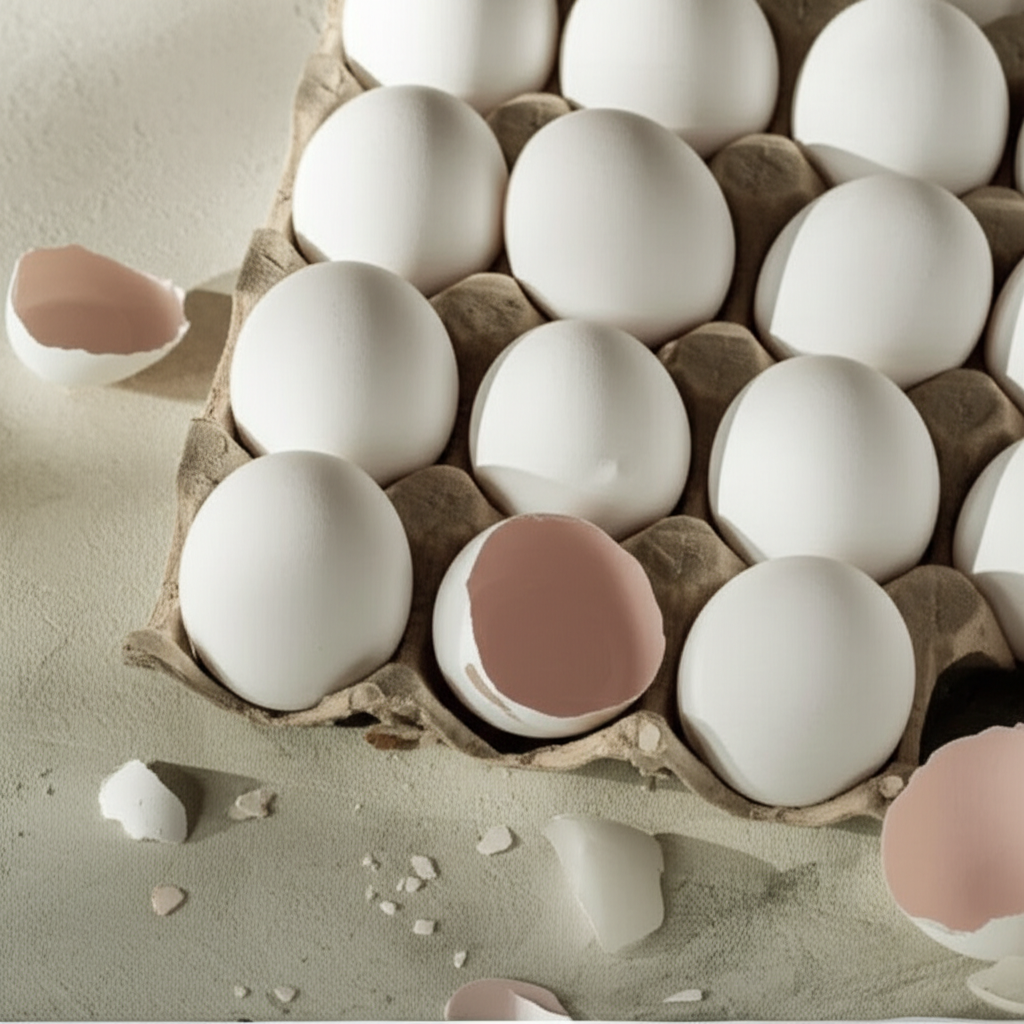
Quick Summary: To get approximately 30 grams of protein from eggs, you’ll typically need about 4 to 5 large eggs. This guide breaks down the protein content of eggs and how to easily incorporate them into your diet for your protein goals.
Hey there! Are you trying to figure out the best ways to get enough protein without making things complicated? You’re not alone! Many people find tracking protein a bit confusing, especially when they’re just starting out. You might be wondering about simple, everyday foods like eggs. They’re affordable, easy to cook, and packed with good stuff. Let’s dive in and make understanding protein from eggs super simple. We’ll cover exactly how many eggs you need for 30 grams of protein and why it’s a great choice for your health goals. Get ready to feel confident about your food choices!
The Protein Powerhouse: Why Eggs Are Your Friend
Eggs are often called nature’s multivitamin, and for good reason! They’re a complete protein source, meaning they contain all nine essential amino acids your body needs. These amino acids are the building blocks for muscles, hormones, and enzymes. For anyone looking to build muscle, manage weight, or simply feel more satisfied after meals, protein is a key player. And eggs deliver this essential nutrient in a convenient and delicious package.
When you’re starting a fitness journey or trying to eat healthier, understanding the protein content of your food is super helpful. It takes the guesswork out of reaching your daily targets. Eggs are a fantastic option because they are:
- Affordable: Compared to many other protein sources, eggs are budget-friendly.
- Versatile: You can scramble them, boil them, fry them, or add them to countless recipes.
- Nutrient-Dense: Beyond protein, eggs offer vitamins (like D and B12), minerals (like iron and selenium), and healthy fats.
So, let’s get straight to the big question: how many eggs do you actually need for a solid dose of protein?
How Many Eggs for 30 Grams of Protein?

This is the golden question, and the answer is surprisingly straightforward. On average, one large egg (about 50 grams) contains roughly 6 grams of protein.
To reach 30 grams of protein, you would need to consume:
30 grams (target protein) / 6 grams (protein per egg) = 5 eggs
So, to get approximately 30 grams of protein, you’ll need around 4 to 5 large eggs.
It’s important to remember that this is an average. The exact protein content can vary slightly based on the size of the egg. Here’s a quick look at how protein adds up with different egg sizes:
| Egg Size | Approximate Weight (grams) | Approximate Protein (grams) |
|---|---|---|
| Small | 38 | 5 |
| Medium | 44 | 5.5 |
| Large | 50 | 6 |
| Extra-Large | 56 | 6.5 |
| Jumbo | 63 | 7 |
As you can see, large eggs are a great benchmark. If you’re using medium eggs, you might need a bit more than 5. If you happen to grab jumbo eggs, 4 might get you very close to 30 grams. For most everyday cooking and planning, sticking to the “4-5 large eggs for 30 grams of protein” rule is a reliable guide.
Beyond the Egg: Making Protein Goals Achievable
While eggs are fantastic, they aren’t the only way to get protein. Understanding how they fit into your overall diet is key. For many people, aiming for 30 grams of protein in one meal might be a part of a larger daily goal. For example, if your daily protein target is 100 grams, having a 30-gram protein breakfast from eggs leaves you with 70 grams to distribute throughout the rest of your day.
Here are some other common protein sources and their approximate protein content per serving, so you can see how eggs compare:
- Chicken Breast (3 oz, cooked): ~26 grams
- Salmon (3 oz, cooked): ~22 grams
- Greek Yogurt (1 cup, plain): ~20 grams
- Lentils (1 cup, cooked): ~18 grams
- Tofu (1/2 cup, firm): ~20 grams
- Almonds (1/4 cup): ~6 grams
Notice how eggs provide a good chunk of protein for their size and cost. This is why they are a staple for many individuals focused on fitness and nutrition.
Tips for Incorporating Eggs into Your Diet
Now that you know how many eggs you need, let’s talk about making them a regular part of your meals. The beauty of eggs is their incredible versatility. You can whip up a protein-packed meal in minutes!
Quick and Easy Egg Meals
1. Scrambled Eggs: A classic for a reason! Whisk 4-5 eggs with a splash of milk or water, season with salt and pepper, and scramble in a non-stick pan. You can add veggies like spinach, mushrooms, or peppers for extra nutrients and fiber.
2. Boiled Eggs: Boil a batch of eggs at the beginning of the week for a grab-and-go snack or breakfast. They’re perfect for busy mornings. Hard-boiling takes about 10-12 minutes.
3. Omelets: Similar to scrambled eggs, but cooked flat and folded. An omelet allows you to easily pack in cheese, vegetables, and even lean meats for a hearty meal.
4. Egg Muffins/Cups: A fantastic make-ahead option. Whisk eggs with your favorite fillings (chopped veggies, cheese, lean ham) and bake in a muffin tin. They’re portable and portion-controlled.
5. Added to Other Dishes: Don’t forget you can add a fried or poached egg to salads, grain bowls, or even avocado toast for an extra protein boost.
Pairing Eggs for a Balanced Meal
To make your egg-based meal even more satisfying and balanced, consider pairing them with other food groups:
- Complex Carbohydrates: Whole-wheat toast, oatmeal, or a side of sweet potatoes provide sustained energy.
- Healthy Fats: Avocado, a sprinkle of nuts, or a drizzle of olive oil add richness and help with nutrient absorption.
- Fiber: Load up on non-starchy vegetables like spinach, tomatoes, onions, or bell peppers.
For example, a 4-egg omelet loaded with spinach and mushrooms, served with a slice of whole-wheat toast and a quarter of an avocado, provides a complete and satisfying meal with well over 30 grams of protein, plus healthy carbs, fats, and fiber.
Understanding Protein and Weight Management
Protein plays a crucial role in weight management. For beginners, understanding this connection can be incredibly motivating. Here’s why protein is your ally:
- Satiety: Protein is known to make you feel fuller for longer. This means you’re less likely to overeat or snack on less healthy options between meals.
- Metabolism: Your body uses more energy (calories) to digest protein compared to fats or carbohydrates. This is known as the thermic effect of food.
- Muscle Preservation: When you lose weight, it’s important to lose fat, not muscle. Adequate protein intake helps preserve lean muscle mass, which is metabolically active and helps keep your metabolism humming.
According to the USDA National Agricultural Library, protein recommendations vary based on age, sex, and activity level, but a common guideline for general health is around 0.8 grams of protein per kilogram of body weight. For active individuals or those looking to lose weight, this number can increase significantly, often ranging from 1.2 to 2.2 grams per kilogram of body weight.
Aiming for around 30 grams of protein per meal, like you can achieve with 4-5 eggs, is a great strategy to help you feel full, support your metabolism, and maintain muscle mass as you work towards your weight goals.
Frequently Asked Questions (FAQ)
Q1: Are egg whites or whole eggs better for protein?
A: Whole eggs offer more protein per egg than egg whites alone, plus they contain essential nutrients like choline and healthy fats found in the yolk. One large whole egg has about 6 grams of protein. If you were to use just egg whites from a large egg, you’d get about 3.6 grams of protein. So, for the same number of “eggs,” whole eggs provide more protein and nutrients.
Q2: Can I eat 5 eggs every day? Is it healthy?
A: For most healthy individuals, eating up to 5 eggs per day is considered safe and healthy. Eggs are packed with nutrients. The concern about dietary cholesterol from eggs has largely been addressed; for most people, dietary cholesterol has a smaller impact on blood cholesterol levels than saturated and trans fats. However, if you have specific health conditions like diabetes or heart disease, or high cholesterol, it’s always best to consult with your doctor or a registered dietitian for personalized advice.
Q3: What if I’m vegan? How can I get 30g of protein without eggs?
A: Absolutely! If you’re vegan, you can easily reach 30 grams of protein from plant-based sources. For example, you could combine about 1.5 cups of cooked lentils (around 27g protein) with half a cup of firm tofu (around 10g protein). Other great vegan protein sources include beans, chickpeas, tempeh, edamame, seitan, nuts, seeds, and plant-based protein powders. The key is to include a variety of these sources throughout your day.
Q4: How can I make my eggs more filling?
A: To make your eggs more filling, pair them with fiber-rich foods. Adding plenty of vegetables like spinach, mushrooms, onions, and bell peppers to your omelets or scrambles is a great start. Serving your eggs with a side of whole-grain toast, a small portion of oatmeal, or some fruit will also increase satiety due to the fiber content. Healthy fats, like avocado, also contribute to feeling full.
Q5: Does the way I cook eggs affect their protein content?
A: The cooking method itself doesn’t significantly change the amount of protein in an egg. Whether you boil, scramble, fry, or poach them, the protein content remains largely the same. However, cooking methods can affect the overall healthiness of your meal. For example, frying eggs in excessive oil can add extra calories and unhealthy fats, while boiling or poaching are generally considered healthier preparations.
Q6: How can I easily track my protein intake if I’m a beginner?
A: Start simple! You can use a notebook or a note-taking app on your phone. When you eat, jot down what you had and estimate the protein. For common foods like eggs, remember the “4-5 large eggs for 30g protein” rule. For other foods, you can use a quick search online (e.g., “protein in 1 cup of chicken breast”) or a food tracking app like MyFitnessPal or Cronometer, which have extensive databases. Focus on consistency rather than perfection when you’re just starting out.
Conclusion
So there you have it! Getting 30 grams of protein from eggs is straightforward: aim for about 4 to 5 large eggs. They are a wonderfully accessible, affordable, and nutritious way to fuel your body, especially when you’re navigating the world of health and fitness for the first time. Remember, protein is a cornerstone of feeling satisfied, supporting your metabolism, and preserving muscle as you work towards your weight loss or fitness goals.
By incorporating eggs into balanced meals with fiber-rich vegetables and healthy carbohydrates, you’re not just hitting a protein target; you’re building sustainable habits that will serve you well. Don’t be afraid to experiment with different cooking methods and pairings to find what you enjoy most. Keep it simple, stay consistent, and celebrate the small wins. You’ve got this!
As an Amazon Associate, We earn from qualifying purchases. When you purchase a product through Amazon links on pulsefitguide.com, we may earn a small commission at no extra cost to you. This helps support the site and keep our content free.