

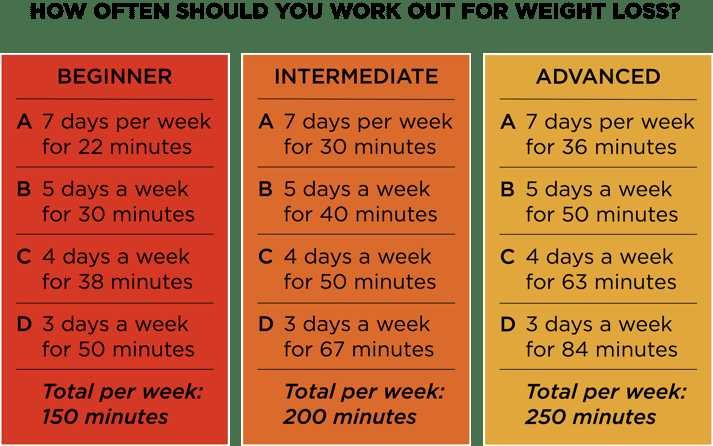
You should aim for about 3 to 5 days of cardio each week to see noticeable health and fitness benefits. The key is finding a balance that keeps you motivated without overtraining.
For most people, doing cardio 3 to 5 days a week is ideal. It helps improve heart health, boost endurance, and burn calories while giving your body enough rest to recover. The right frequency depends on your fitness goals, current activity level, and schedule. Too little might not give you the results you want, while too much can lead to burnout or injury. Striking the perfect balance ensures you’re consistently active without feeling overwhelmed. Whether you’re looking to lose weight, increase stamina, or just stay healthy, understanding how often to do cardio can make a big difference in your fitness journey.

How Many Days a Week Should I Do Cardio?
Understanding the Benefits of Cardio Exercise
Cardio exercise, also known as aerobic exercise, is great for your heart and lungs. It helps burn calories, improve stamina, and boost overall health. Doing regular cardio can also make you feel more energetic and reduce stress.
Recommended Frequency for Cardio Workouts
Most health experts suggest doing cardio between three to five days each week. This range allows your body enough rest while maintaining benefits. The exact number depends on your fitness goals and current activity level.
Why Three to Five Days?
Doing cardio three days a week is enough to improve health and endurance without overdoing it. Five days provide more intense benefits for those aiming to lose weight or train harder. Rest days are important to prevent injury and allow recovery.
How Goals Influence How Often You Should Do Cardio
Your personal fitness goals play a big role in deciding your cardio schedule. Different goals require different frequencies and intensities of exercise.
For General Health
If your goal is staying healthy and active, aiming for at least three days of moderate cardio each week is ideal. This helps maintain your heart health and keeps your body in good shape.
For Weight Loss
To shed pounds, engaging in cardio four to five days weekly can boost calorie burn. Combining cardio with strength training can lead to more effective weight management.
For Athletic Performance
Athletes may do cardio up to six days a week, with varying intensities. This prepares your body for intense activity and improves endurance.
Types of Cardio and Their Impact on Frequency
Different types of cardio can influence how often you should do them.
Low-Impact Cardio
Activities like walking, swimming, or cycling are easier on joints. You can perform these three to five times a week without overtaxing your body.
High-Impact Cardio
Running or high-intensity interval training (HIIT) can be more strenuous. These may be limited to two or three days per week to prevent injury.
Listening to Your Body
Pay attention to how your body responds to exercise. Feeling sore, exhausted, or uncomfortable signals you might need to rest more often.
Signs You Need More Rest
Persistent fatigue, sore muscles, or lack of motivation suggest your body needs recovery time. Incorporate rest days to help muscles repair and reduce injury risk.
Balancing Cardio with Other Types of Exercise
Doing a mix of cardio, strength training, and flexibility exercises creates a well-rounded fitness routine.
Weekly Schedule Example
- Monday: Cardio
- Tuesday: Strength training
- Wednesday: Rest or light activity
- Thursday: Cardio
- Friday: Flexibility exercises or yoga
- Saturday: Cardio or active rest
- Sunday: Rest
Adjust this plan based on your goals and schedule.
How to Progress Your Cardio Routine Safely
Gradually increase the duration and intensity of your workouts. This helps your body adapt without risking injury.
Start Slow
Begin with 20 to 30 minutes of moderate cardio. As your fitness improves, extend sessions or add intensity.
Increase Gradually
Add five-minute increments or higher pace every week to avoid overexertion. Listen to your body and avoid rushing progress.
Special Considerations for Beginners
Beginners should start with fewer days and lower intensity. Focus on consistent, manageable workouts to build endurance.
Sample Beginner Schedule
- 1 or 2 days of light cardio
- Rest days or gentle activities between sessions
The Role of Rest and Recovery Days
Rest days are crucial for muscle recovery and injury prevention. They also help your immune system stay strong.
When to Take Rest Days
Listen for signs of fatigue or soreness. Typically, at least one to two rest days per week are recommended.
The number of days you should do cardio depends on your goals, fitness level, and how your body responds. Three to five days a week generally offers a good balance of benefits and recovery. Incorporate variety, listen to your body, and adjust your routine as needed. Consistency over time will help you see progress while keeping your workouts enjoyable and safe.
Frequently Asked Questions
How does your fitness level influence the frequency of cardio workouts?
Your current fitness level determines how often you should include cardio in your routine. Beginners may start with two to three days per week to allow their bodies to adapt gradually. More experienced individuals can handle four to six days, depending on their goals and recovery capacity. Listening to your body and adjusting accordingly helps prevent overtraining and ensures steady progress.
What are the benefits of varying your cardio routine across the week?
Changing your cardio activities and intensity levels throughout the week prevents plateaus and keeps workouts engaging. Incorporating different forms like running, cycling, or swimming can target various muscle groups, reduce the risk of injury, and improve overall cardiovascular health. Varying your routine also helps avoid mental fatigue and maintains your motivation.
Is it necessary to include rest days when doing frequent cardio sessions?
Yes, incorporating rest days is essential, especially if you perform cardio multiple times a week. Rest allows your muscles to recover, reduces the risk of injury, and helps prevent burnout. You can also opt for active recovery, such as light walking or stretching, on rest days to stay active without overtaxing your body.
How can I determine the ideal number of cardio days based on my fitness goals?
Your goals significantly influence how many days you should do cardio. If you aim to lose weight, doing cardio five to six days a week can be effective, combined with strength training. For improving endurance, consistent sessions across most days work well. If your focus is on overall health, three to four days per week may suffice. Tailor your schedule to match your objectives and listen to how your body responds.
Are there any signs that I should reduce my cardio frequency?
Yes, signs such as persistent fatigue, soreness, declining performance, or mood changes indicate you should cut back. Overtraining can hinder progress and increase injury risk. If you experience these symptoms, give your body more time to recover, incorporate rest days, and consider adjusting the intensity or duration of your workouts accordingly.
Final Thoughts
You should aim for at least 150 minutes of moderate-intensity cardio weekly, according to health guidelines.
Doing cardio 3 to 5 days a week provides a good balance for improving endurance and maintaining health.
Remember, how many days a week should I do cardio depends on your fitness goals and schedule.
Ultimately, consistency matters most; even 2-3 days can bring benefits, but more frequent sessions boost results.
As an Amazon Associate, We earn from qualifying purchases. When you purchase a product through Amazon links on pulsefitguide.com, we may earn a small commission at no extra cost to you. This helps support the site and keep our content free.