

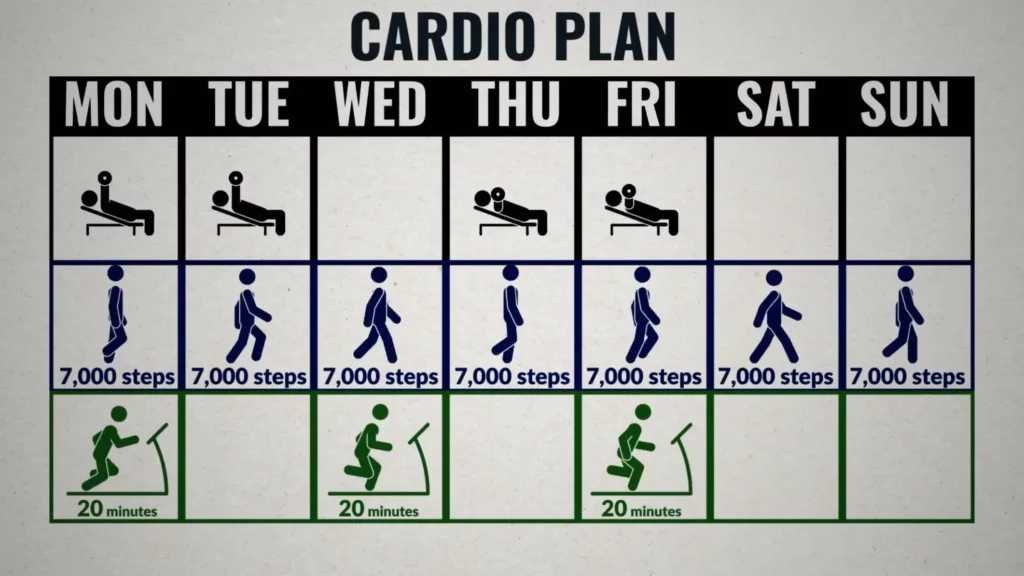
Aim for 3 to 5 cardio sessions a week for optimal health and fitness. The key is balancing intensity and rest to avoid burnout while maximizing benefits. Most people see great results with at least three sessions, but depending on your goals, up to five can boost endurance and caloric burn even more.
In general, engaging in cardio workouts 3 to 5 days a week is ideal for improving cardiovascular health, shedding excess weight, and increasing stamina. The exact number varies based on your fitness level and objectives, but consistency is more important than overdoing it. Staying active regularly helps you stay healthy and energized, so find a routine that fits your lifestyle without pushing your body too hard.
Getting your cardio routine right can make a huge difference in reaching your fitness goals. Whether you’re just starting out or aiming for advanced endurance, knowing how many days to dedicate to cardio keeps you motivated and on track. Remember, balancing your workouts with proper rest prevents injury and keeps your enthusiasm high.

How Many Cardio Days a Week Should You Exercise?
Understanding the Basics of Cardio Exercise
Cardio exercise, also known as aerobic exercise, helps improve heart health and boosts energy levels. It includes activities like running, cycling, swimming, and brisk walking that elevate your heart rate. Doing enough cardio can lower the risk of heart disease, manage weight, and enhance overall well-being.
Recommended Cardio Frequency for Different Goals
The ideal number of cardio days varies based on your goals. For general health, health experts often suggest at least 3 to 5 days of moderate-intensity cardio each week. If you’re aiming to lose weight, you might need to do more, sometimes up to 5 to 6 days weekly. For improved endurance or athletic training, some individuals may incorporate daily cardio sessions.
Assessing Your Fitness Level
Your current fitness status influences how often you should include cardio. Beginners might start with 2 to 3 days per week to prevent overexertion. As your stamina improves, gradually increase your cardio sessions to 4 or 5 days weekly. Advanced exercisers often perform 6 or more days, with varied intensities, to meet their goals.
Balancing Cardio with Strength Training
To maintain a healthy balance, combine cardio with strength training during your week. For example, aim for 3 to 4 days of cardio and 2 to 3 days of strength exercises. This mix supports overall fitness, prevents burnout, and reduces injury risk. Be sure to listen to your body for signs of fatigue.
Types of Cardio and Their Impact on Frequency
Different cardio activities can influence how often you should do them. High-impact exercises like running may require more rest days to recover. Lower-impact options such as swimming or cycling are gentler and might be performed more frequently without overtaxing your body. Varying your activities can keep your routine exciting and well-rounded.
Duration and Intensity: How They Affect Cardio Frequency
The duration and intensity of your cardio sessions affect how many days you should exercise each week. Longer or more intense workouts might mean fewer sessions per week to allow recovery. For example, doing 60-minute high-intensity workouts twice weekly might be better than daily 20-minute sessions, especially if you’re a beginner.
How Rest Days Play a Role
Rest days are essential to allow your muscles and immune system to recover. Incorporate at least one or two rest days into your weekly plan, especially if you do vigorous cardio. Rest helps prevent injuries, reduces fatigue, and ensures you stay motivated to continue exercising regularly.
Sample Weekly Cardio Schedules
Here’s a simple example for different goals:
- General health: 3 to 4 days of moderate cardio
- Weight loss: 5 to 6 days, mixing moderate and high-intensity sessions
- Endurance training: 4 to 6 days with varied intensities
- Maintenance or active aging: 3 days of moderate cardio, with some optional light sessions
Listening to Your Body and Adjusting Your Routine
It’s important to pay attention to how your body responds to your cardio routine. If you feel overly tired, sore, or unmotivated, consider reducing the frequency or intensity. Conversely, if you feel great and want to push further, gradually increase your days or workout length.
Special Considerations for Different Age Groups
Children and teenagers need regular activity but should avoid excessive high-impact exercise. Adults and seniors should tailor their cardio days based on health conditions and fitness levels. Always consult with a healthcare provider to determine the safest frequency for your age and health status.
Tracking Your Progress and Staying Motivated
Use a fitness tracker or journal to monitor how many cardio days you complete each week. Celebrate small victories and set realistic goals. Staying consistent is key, so choose activities you enjoy to make cardio sessions something to look forward to.
Balancing Cardio with Lifestyle and Schedule
Your daily routine plays a role in determining how many cardio days you can fit in. Even 15-minute brisk walks can add up if done consistently. Prioritize physical activity that fits your schedule, and remember that even small steps contribute to better health.
Choosing the right number of cardio days per week depends on your goals, fitness level, and lifestyle. Whether you aim for health, weight loss, or endurance, the key is consistency and gradual progression. Incorporate variety, listen to your body, and plan rest days to stay motivated and injury-free. Adjustments may be necessary as you progress, but maintaining a regular routine will always bring benefits for your heart, mind, and body.
Frequently Asked Questions
How can I determine the right number of cardio sessions for my fitness goals?
To decide the appropriate number of cardio workouts, consider your overall fitness objectives, current activity level, and how your body responds to exercise. If you’re aiming for general health, engaging in 3 to 4 sessions per week can be effective. For weight loss or improving endurance, you might increase this to 5 or more sessions, ensuring adequate rest and variety to prevent burnout.
What factors influence my ideal weekly cardio routine?
Several factors impact how often you should perform cardio, including your age, fitness experience, and specific goals. Younger individuals or athletes may train more frequently, while beginners should start gradually. Your recovery ability, schedule, and any medical considerations also play a role in determining how many days per week you incorporate cardio activities.
Is it better to spread cardio workouts evenly across the week or focus on certain days?
Distributing cardio sessions evenly throughout the week helps maintain consistent energy levels and promotes steady progress. For example, doing 3 to 4 sessions spaced out allows your body to recover between workouts. Alternatively, some prefer to concentrate workouts on specific days to fit their schedule, but ensure you allow rest days to prevent overtraining and reduce injury risk.
Final Thoughts
The ideal number of cardio days a week depends on individual goals and fitness levels. For general health, aim for 3-4 days of moderate-intensity cardio. If you seek weight loss or endurance, you might increase this to 5 days.
Balancing cardio with strength training ensures overall fitness without overtraining. Listening to your body helps prevent injuries and maintains motivation.
In conclusion, how many cardio days a week varies, but most find 3-5 days effective for health and progress.
As an Amazon Associate, We earn from qualifying purchases. When you purchase a product through Amazon links on pulsefitguide.com, we may earn a small commission at no extra cost to you. This helps support the site and keep our content free.