
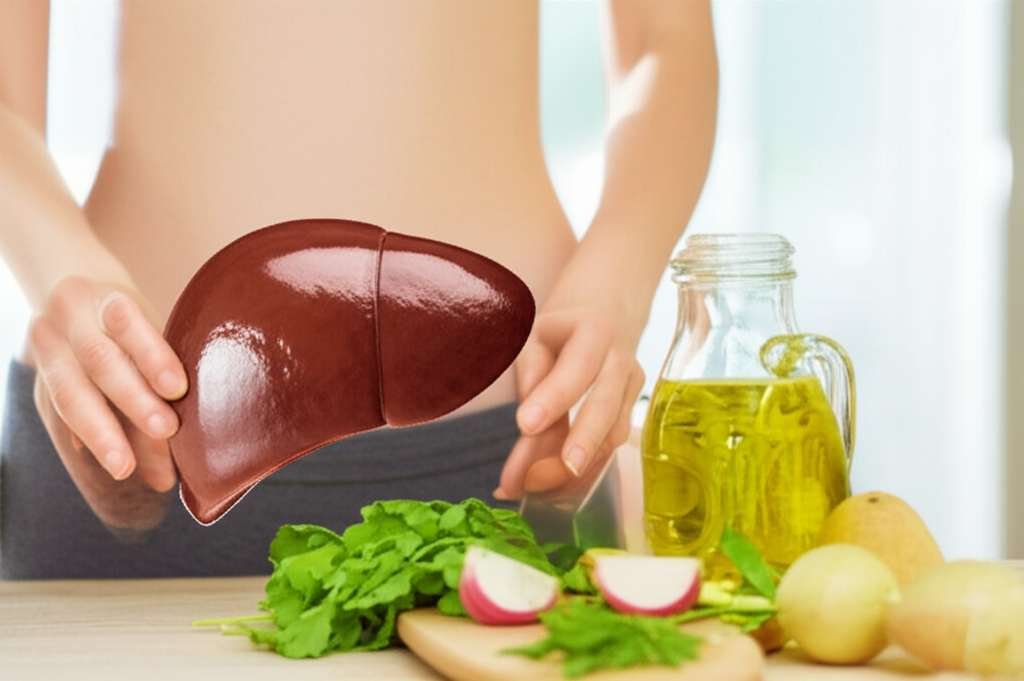
For fatty liver, aiming for a daily calorie intake that creates a moderate, sustainable calorie deficit is key for weight loss and liver health. Generally, this means a reduction of 500-750 calories from your daily maintenance needs, leading to a gradual loss of 1-1.5 pounds per week. Consult your doctor or a registered dietitian for personalized calorie targets.
Feeling confused about fatty liver and how your diet plays a role can be frustrating. You’re not alone! Many people struggle to understand the best way to eat when they have this condition, especially when it comes to weight loss.
It’s easy to get lost in complicated advice. But the truth is, managing fatty liver often comes down to making smart, simple changes to your daily eating habits.
This guide is here to break it all down for you, step-by-step. We’ll explore how many calories you might need and how to achieve them in a way that feels manageable and effective.
Let’s get started on your journey to better liver health and a healthier you!
Understanding Fatty Liver and Calories

Fatty liver disease, also known as non-alcoholic fatty liver disease (NAFLD), means you have too much fat built up in your liver. It’s a common condition, and often, it doesn’t cause any symptoms at first. However, over time, this fat can lead to inflammation and damage to your liver.
Why Weight Matters for Fatty Liver
Being overweight or obese is a major risk factor for developing fatty liver. When you have extra body fat, especially around your abdomen, it can contribute to fat accumulation in the liver. Losing even a small amount of weight, like 5-10% of your body weight, can significantly reduce the fat in your liver and improve its function.
The Role of Calorie Deficit
To lose weight, you need to consume fewer calories than your body uses. This is called a calorie deficit. When you create a calorie deficit, your body starts using stored fat for energy, which helps reduce overall body fat, including the fat in your liver.
How Many Calories Per Day for Fatty Liver Weight Loss?
So, how many calories should you aim for each day? There’s no single magic number that fits everyone. Your ideal calorie intake depends on several factors, including your age, sex, current weight, activity level, and metabolism. However, the general principle is to create a sustainable calorie deficit.
A common and effective strategy for healthy weight loss is to aim for a deficit of 500 to 750 calories per day. This typically results in a weight loss of about 1 to 1.5 pounds per week. Losing weight too quickly can sometimes be harmful, so a gradual approach is usually best.
For example, if your body needs 2,200 calories per day to maintain its current weight (this is called your Total Daily Energy Expenditure or TDEE), aiming for 1,500 to 1,700 calories per day would create that deficit.
Calculating Your Estimated Calorie Needs
To get a rough idea of your calorie needs, you can use online calculators that estimate your TDEE. These calculators use formulas like the Mifflin-St Jeor equation, which is considered quite accurate.
Mifflin-St Jeor Equation (for estimating Basal Metabolic Rate – BMR):
For Men: BMR = (10 × weight in kg) + (6.25 × height in cm) – (5 × age in years) + 5
For Women: BMR = (10 × weight in kg) + (6.25 × height in cm) – (5 × age in years) – 161
Once you have your BMR, you multiply it by an activity factor to get your TDEE:
Sedentary: BMR × 1.2 (little or no exercise)
Lightly Active: BMR × 1.375 (light exercise/sports 1-3 days/week)
Moderately Active: BMR × 1.55 (moderate exercise/sports 3-5 days/week)
Very Active: BMR × 1.725 (hard exercise/sports 6-7 days/week)
Extra Active: BMR × 1.9 (very hard exercise/sports & physical job or training twice a day)
You can find many free TDEE calculators online that do this math for you. Once you have your TDEE, subtract 500-750 calories to find your target daily intake for weight loss.
Important Note: These are estimates. Your actual needs might vary. It’s always best to work with a healthcare professional.
Factors Influencing Your Daily Calorie Target
While a general calorie deficit is crucial, several individual factors will influence your specific target:
1. Current Weight and Body Composition
If you have a higher starting weight, your body will naturally burn more calories at rest and during activity. This means you might be able to consume slightly more calories while still being in a deficit compared to someone with a lower starting weight.
2. Age
Metabolism tends to slow down as we age. This means older adults might need fewer calories than younger individuals to achieve the same weight loss.
3. Sex
Men generally have more muscle mass than women, which boosts their metabolism and increases their daily calorie needs.
4. Activity Level
This is a big one! The more active you are, the more calories you burn. If you have a physically demanding job or exercise regularly, your calorie needs will be higher. Conversely, if you have a sedentary lifestyle, your needs will be lower.
5. Metabolism
Individual metabolic rates can vary. Some people naturally have a faster metabolism, burning more calories at rest, while others have a slower one.
6. Severity of Fatty Liver
While calorie intake is primarily for weight loss, your doctor might give specific dietary recommendations based on the stage of your fatty liver disease. For instance, if there’s inflammation, certain nutrient-dense foods might be prioritized.
Creating a Healthy Meal Plan for Fatty Liver
Focusing solely on calorie numbers isn’t enough. The quality of your calories matters a great deal, especially for liver health. Here’s how to build a balanced meal plan:
What to Eat More Of:
Fruits and Vegetables: Load up on a variety of colorful fruits and vegetables. They are low in calories, high in fiber, vitamins, and antioxidants.
Whole Grains: Choose brown rice, quinoa, oats, and whole-wheat bread over refined grains. They provide sustained energy and fiber.
Lean Proteins: Include sources like chicken breast, turkey, fish, beans, lentils, and tofu. Protein helps you feel full and supports muscle mass.
Healthy Fats: Incorporate sources like avocados, nuts, seeds, and olive oil in moderation. These are important for overall health.
Fiber-Rich Foods: Aim for plenty of fiber from vegetables, fruits, whole grains, and legumes. Fiber aids digestion and satiety.
What to Limit or Avoid:
Added Sugars: Sugary drinks, desserts, and processed snacks contribute empty calories and can worsen liver fat.
Refined Carbohydrates: White bread, white pasta, and sugary cereals offer little nutritional value and can spike blood sugar.
Unhealthy Fats: Saturated fats (found in red meat, butter, full-fat dairy) and trans fats (often in fried foods and baked goods) should be minimized.
Alcohol: If you have fatty liver, it’s crucial to avoid alcohol as it can further damage the liver.
Processed Foods: These are often high in sodium, unhealthy fats, and added sugars.
Sample Daily Meal Structure (Around 1600 Calories)
This is just an example. Your portion sizes and specific food choices will vary based on your individual calorie target and preferences.
Breakfast (Approx. 350-400 calories):
1/2 cup rolled oats cooked with water or unsweetened almond milk.
Topped with 1/4 cup berries and 1 tablespoon chopped walnuts.
A small glass of water or herbal tea.
Lunch (Approx. 450-500 calories):
Large salad with mixed greens, cucumber, tomatoes, bell peppers.
3-4 oz grilled chicken breast or chickpeas.
2 tablespoons of a light vinaigrette dressing (olive oil and vinegar-based).
1 small whole-wheat roll.
Snack (Approx. 150-200 calories):
1 medium apple with 1 tablespoon almond butter.
OR 1 cup plain Greek yogurt with a sprinkle of cinnamon.
Dinner (Approx. 500-550 calories):
4-5 oz baked salmon or lean turkey breast.
1 cup steamed broccoli or asparagus.
1/2 cup cooked quinoa or brown rice.
Evening Snack (Optional, if needed for hunger – Approx. 100-150 calories):
A small handful of almonds (about 15-20).
OR a cup of vegetable broth.
This sample plan prioritizes whole foods, lean protein, healthy fats, and plenty of fiber, while keeping calories in check.
Practical Tips for Sticking to Your Calorie Goal
Reaching your calorie target can be challenging, especially at first. Here are some practical tips to help you succeed:
1. Portion Control is Key
Use smaller plates: This can trick your brain into thinking you’re eating more.
Measure your food: Initially, measuring portions with cups, spoons, or a food scale can be very helpful to understand what a standard serving looks like.
Read food labels: Pay attention to serving sizes and calorie counts.
2. Plan Your Meals and Snacks
Weekly meal planning: Dedicate time each week to plan your meals and snacks. This reduces impulse eating.
Grocery shopping: Make a list based on your meal plan to avoid buying unhealthy items.
Prep ahead: Chop vegetables, cook grains, or pre-portion snacks to make healthy choices easy when you’re busy.
3. Stay Hydrated
Drink plenty of water: Sometimes thirst can be mistaken for hunger. Aim for 8-10 glasses of water daily.
Limit sugary drinks: Stick to water, unsweetened tea, or black coffee.
4. Be Mindful of Eating Habits
Eat slowly: This allows your body time to register fullness.
Avoid distractions: Try not to eat while watching TV, working, or scrolling on your phone, as this can lead to overeating.
Listen to your body: Eat when you’re hungry and stop when you’re comfortably full, not stuffed.
5. Incorporate Physical Activity
Regular exercise: Aim for at least 150 minutes of moderate-intensity aerobic activity per week, plus muscle-strengthening activities twice a week. Exercise helps burn calories and improves insulin sensitivity, which is beneficial for fatty liver.
Start small: If you’re new to exercise, begin with walking and gradually increase duration and intensity.
6. Seek Support
Talk to your doctor: They can provide personalized advice and monitor your health.
Consult a registered dietitian (RD): An RD can help you create a customized meal plan that fits your needs and preferences.
Join a support group: Sharing experiences with others can be motivating.
Understanding Nutritional Needs Beyond Calories
While calorie counting is essential for weight loss, it’s equally important to ensure you’re getting the right nutrients. For fatty liver, focusing on a diet that supports liver health is paramount.
The Importance of Macronutrients
Carbohydrates: Choose complex carbohydrates (whole grains, vegetables, fruits) over simple sugars and refined grains. They provide energy and fiber without causing drastic blood sugar spikes.
Proteins: Adequate protein intake is vital for muscle maintenance, especially during weight loss. Opt for lean sources.
Fats: Prioritize unsaturated fats (from olive oil, avocados, nuts, seeds, fatty fish) and limit saturated and trans fats. Omega-3 fatty acids, found in fatty fish, may have anti-inflammatory benefits.
Micronutrients and Antioxidants
Vitamins, minerals, and antioxidants play a crucial role in protecting your liver cells from damage. A diet rich in a variety of fruits and vegetables ensures you get a good supply of these protective compounds.
Fiber’s Role in Liver Health
Fiber is a superstar for both weight management and liver health. It helps you feel full, aids digestion, and can help regulate blood sugar levels. You can find it in:
Vegetables (broccoli, Brussels sprouts, carrots)
Fruits (apples, pears, berries)
Legumes (beans, lentils, chickpeas)
Whole grains (oats, quinoa, barley)
A study published in the World Journal of Gastroenterology highlights the importance of diet and lifestyle changes, including fiber intake, in managing NAFLD.
When to Seek Professional Help
Navigating dietary changes, especially with a health condition like fatty liver, can feel overwhelming. It’s always a good idea to consult with healthcare professionals.
Your Doctor
Your primary care physician or a gastroenterologist can:
Diagnose and stage your fatty liver disease.
Monitor your liver health and overall well-being.
Provide guidance on general lifestyle changes.
Refer you to other specialists if needed.
Registered Dietitian (RD) or Nutritionist
A registered dietitian is a food and nutrition expert who can:
Calculate your personalized calorie and macronutrient needs.
Develop a tailored meal plan that fits your preferences, lifestyle, and health goals.
Educate you on making healthy food choices.
* Help you overcome barriers to healthy eating.
You can often find registered dietitians through your doctor’s office, local hospitals, or professional organizations like the Academy of Nutrition and Dietetics. The Academy of Nutrition and Dietetics website is a great resource for finding qualified professionals.
Frequently Asked Questions (FAQ) About Calories and Fatty Liver
Q1: Is it okay to drastically cut calories for fatty liver?
No, it’s generally not recommended to drastically cut calories. Very low-calorie diets can be hard to sustain, may not provide adequate nutrients, and rapid weight loss can sometimes put stress on the liver. A moderate, sustainable calorie deficit (around 500-750 calories per day) is usually safer and more effective for long-term health and liver management.
Q2: How quickly should I expect to lose weight with a calorie deficit for fatty liver?
A healthy and sustainable rate of weight loss is typically 1 to 1.5 pounds per week. This is achieved with a daily calorie deficit of about 500-750 calories. Faster weight loss is not usually recommended as it can be difficult to maintain and may not be as beneficial for liver health.
Q3: Do I need to count calories forever?
Not necessarily! Many people use calorie counting or tracking tools initially to understand portion sizes and calorie content. As you become more familiar with healthy foods and portion sizes, you can transition to mindful eating, focusing on balanced meals and listening to your body’s hunger and fullness cues, while still keeping overall calorie intake in mind.
Q4: What are some easy, low-calorie snacks for fatty liver?
Great low-calorie snack options include: fresh fruits (like berries, apples, oranges), raw vegetables (carrots, celery, cucumber sticks) with a small amount of hummus, a small handful of unsalted nuts, plain Greek yogurt, or a hard-boiled egg. These options are nutrient-dense and satisfying.
Q5: Can I reverse fatty liver just by losing weight?
Weight loss is a cornerstone of managing and potentially reversing fatty liver. By reducing body fat, including fat in the liver, you can significantly improve or even resolve the condition in many cases. However, it’s crucial to combine weight loss with other healthy lifestyle habits, such as a balanced diet and regular exercise, and to do so under the guidance of a healthcare professional.
Q6: How does exercise affect my calorie needs for fatty liver?
Exercise increases your calorie expenditure, meaning you burn more calories. This can help you achieve your calorie deficit for weight loss more easily. It also improves insulin sensitivity and can directly help reduce liver fat. When calculating your calorie needs, your activity level is factored into determining your Total Daily Energy Expenditure (TDEE).
Conclusion
Managing fatty liver disease is a journey, and understanding your daily calorie needs is a significant step toward improving your liver health and overall well-being. The key is to create a moderate, sustainable calorie deficit—typically 500-750 calories below your maintenance level—to promote gradual and healthy weight loss.
Remember, this isn’t about drastic restrictions but about making smart, informed choices about the foods you eat and the portions you consume. Focusing on nutrient-dense whole foods like fruits, vegetables, lean proteins, and healthy fats will not only help you reach your calorie goals but also provide your body with the essential nutrients it needs to heal and thrive.
Don’t hesitate to lean on your healthcare team—your doctor and a registered dietitian—for personalized guidance. They can help you navigate your specific needs, develop a meal plan that works for you, and ensure you’re on the safest and most effective path. By combining a mindful approach to calorie intake with a balanced diet and regular physical activity, you can take control of your fatty liver and build a healthier future, one delicious, nourishing meal at a time.
As an Amazon Associate, We earn from qualifying purchases. When you purchase a product through Amazon links on pulsefitguide.com, we may earn a small commission at no extra cost to you. This helps support the site and keep our content free.