

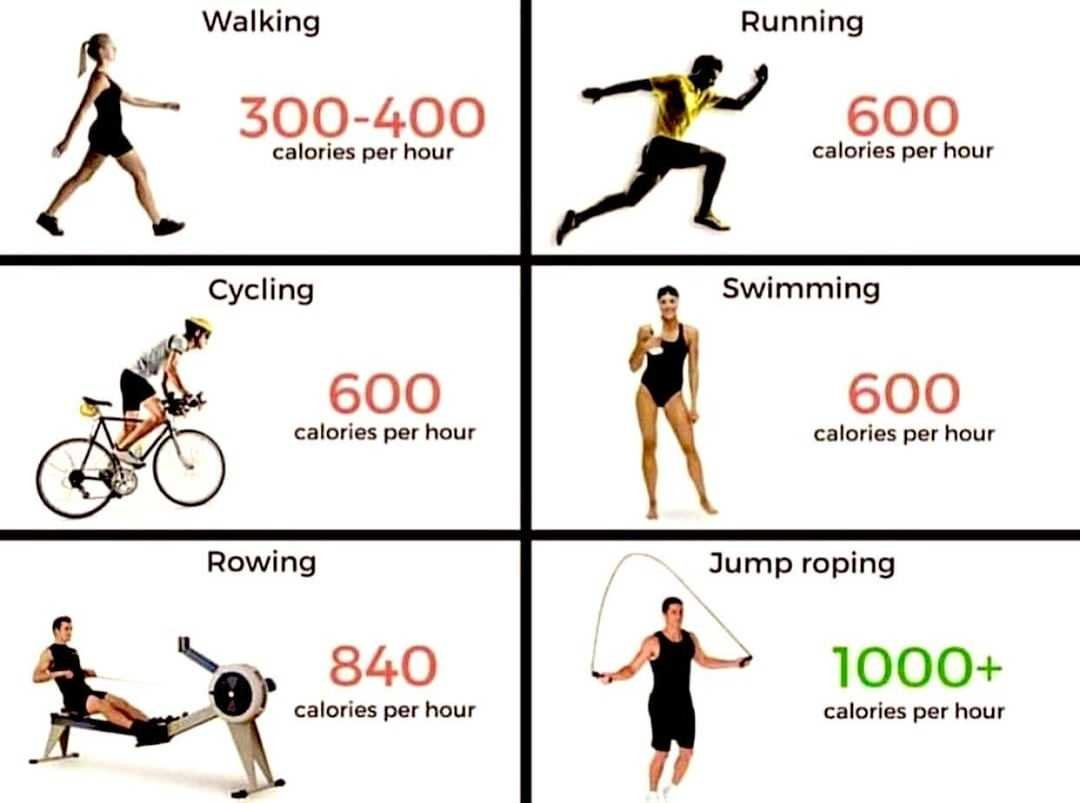
Cardio workouts can torch anywhere from 200 to 600 calories per hour, depending on the intensity and your weight. Want to know exactly how many calories you’re burning during your favorite activities? Keep reading to discover the details!
Cardio exercises are a fantastic way to boost your fitness and shed calories efficiently. The number of calories burned varies based on factors like your weight, workout duration, and intensity. Generally, a person weighing around 155 pounds can burn about 300 calories in 30 minutes of running, while cycling might burn slightly less or more depending on how fast you’re going. Understanding these numbers can help you tailor your workouts to meet your fitness goals faster and more effectively. Whether you’re aiming to lose weight, improve heart health, or just stay active, knowing how many calories you’re burning during cardio can motivate you to push a little harder and stay consistent.

How Many Calories Does Cardio Burn?
Understanding how many calories cardio burns helps you plan your workouts more effectively. It also shows how cardio can support your weight loss or fitness goals. The number of calories burned varies based on several factors, which we will explore in detail.
Factors Influencing Calorie Burn During Cardio
Many elements impact how many calories you burn during cardio exercises. These include your body weight, workout intensity, duration, age, and fitness level. Typically, the more you weigh, the more calories your body uses to move.
Exercise intensity is also key. High-intensity workouts burn more calories in less time, while moderate efforts consume fewer calories over longer periods. Age can influence metabolism rates, with younger people usually burning more calories. Your fitness level affects efficiency, making your body use fewer calories for the same activity over time.
Estimating Calories Burned Based on Body Weight
Calorie calculation depends heavily on body weight. For example, a person weighing 150 pounds will burn fewer calories than someone weighing 200 pounds doing the same activity for the same duration. This difference occurs because heavier bodies require more energy to move.
- Light intensity cardio: Activities like walking or leisurely cycling burn approximately 150-300 calories per 30 minutes for a person weighing 150 pounds.
- Moderate intensity cardio: Running or fast cycling can burn around 300-600 calories in 30 minutes at the same weight.
- High-intensity cardio: Sprinting or intense aerobics may burn upwards of 600-900 calories in half an hour for someone at 150 pounds.
Calories Burned by Different Types of Cardio Exercises
Walking
Walking is a low-impact option suitable for most people. A 150-pound person walking briskly at 4 miles per hour can burn roughly 150-200 calories in 30 minutes. Increasing pace or walking uphill boosts calorie expenditure.
Running
Running is a high-intensity workout that quickly burns calories. At a pace of 6 miles per hour, a 150-pound individual can burn approximately 300-400 calories in 30 minutes. Running uphill or increasing speed further increases this number.
Cycling
Indoor or outdoor cycling at a moderate pace burns around 250-500 calories in half an hour. More intense cycling or climbing hills can raise this amount significantly.
Jump Rope
Jumping rope is a calorie-torching exercise that can burn roughly 350-600 calories in 30 minutes for a person weighing 150 pounds. It also helps improve coordination and cardiovascular health.
Comparison Table of Calories Burned in 30 Minutes for Different Activities
| Activity | Calories Burned (150-pound person) |
|---|---|
| Walking (4 mph) | 150-200 calories |
| Jogging (5 mph) | 300-370 calories |
| Running (6 mph) | 300-400 calories |
| Cycling (12-14 mph) | 250-500 calories |
| Jump Rope | 350-600 calories |
| Aerobic dancing | 210-330 calories |
How Workout Duration Affects Calorie Burn
The longer you engage in cardio, the more calories you burn. For example, a 150-pound person may burn around 150 calories in 15 minutes of walking but could burn 300 in 30 minutes of jogging. Increasing workout time directly increases total calorie expenditure.
It’s important to balance intensity and duration. Short, high-intensity sessions can be as effective as longer, moderate activities for calorie burning.
The Role of Heart Rate in Calorie Expenditure
Your heart rate is a good indicator of workout intensity. Higher heart rates during cardio indicate you’re working harder, which correlates with more calories burned. Using a heart rate monitor can help optimize your workout for better calorie burn.
For example, maintaining 70-85% of your maximum heart rate during cardio maximizes calorie expenditure. Less intense activity at 50-60% burns fewer calories but is easier to sustain longer.
How to Maximize Calorie Burn During Cardio
- Vary intensity: Interval training mixes high and low-intensity exercises to boost calorie burn.
- Increase workout duration gradually: Longer sessions lead to more calories burned without overexerting.
- Maintain proper form: Prevent injuries and sustain effort by exercising correctly.
- Combine cardio with strength training: Building muscle increases resting metabolic rate, helping burn more calories even at rest.
- Stay consistent: Regular workouts maintain and improve your calorie-burning capacity over time.
Additional Tips for Effective Cardio Workouts
Choosing activities you enjoy increases your chances of sticking to your routine. Incorporate music or exercise with friends to stay motivated. Remember to warm up before and cool down after your workout to prevent injury and improve recovery.
Understanding the Impact of Fitness Level
Beginners might burn fewer calories initially but can see improvements quickly. As your fitness level increases, your body becomes more efficient, so the same activity might burn fewer calories over time. Challenging yourself with longer or more intense sessions helps combat this adaptation.
Common Mistakes That Reduce Calorie Burn
- Skipping warm-up and cool-down: Leads to injury and less effective workouts.
- Not maintaining proper intensity: Working too lightly reduces calorie expenditure.
- Overtraining without rest: Causes fatigue and can decrease performance and calorie burn.
- Inconsistent routine: Irregular workouts lead to less progress.
Incorporating Cardio Into Weekly Routine
Aiming for at least 150 minutes of moderate cardio or 75 minutes of vigorous activity weekly is recommended. Breaking this into sessions of 30 minutes or more makes it manageable and effective. Consistency is key to maximizing calorie burn and improving overall health.
Knowing how many calories cardio burns helps you tailor workouts to meet your goals. The exact number depends on your weight, activity type, intensity, and duration. By choosing the right activities and maintaining a regular routine, you can effectively burn calories and boost your health and fitness levels.
Frequently Asked Questions
How does the intensity of cardio exercise affect calorie burn?
p>Higher intensity cardio workouts, such as running or high-speed cycling, generally burn more calories per minute than lower intensity activities like walking. Increasing the intensity forces your muscles to work harder, which boosts your overall calorie expenditure during the session. Additionally, more vigorous exercises can elevate your metabolism for hours afterward, leading to additional calorie burn.
Can the duration of cardio influence the total calories burned?
p>Yes, increasing the duration of your cardio sessions results in more calories burned overall. Even at a moderate intensity, longer workouts allow you to expend more energy. For example, a 60-minute brisk walk burns more calories than a 30-minute walk, assuming the intensity remains consistent. Marathon sessions or extended cycling rides significantly boost total calorie expenditure.
Do different types of cardio exercises burn varying amounts of calories?
p>Different cardio activities have different calorie burn rates due to variation in effort and muscle engagement. Running typically burns more calories per minute than swimming or cycling, but the actual number depends on the individual’s weight and intensity level. High-impact activities often target more muscle groups, resulting in higher calorie expenditure compared to low-impact exercises.
How does body weight influence calories burned during cardio workouts?
p>Body weight plays a significant role in calorie burn; heavier individuals tend to burn more calories doing the same activity than those who weigh less. This is because moving a larger mass requires more energy. For example, a person weighing 200 pounds burns more calories running for 30 minutes than someone weighing 150 pounds performing the same activity at the same intensity.
Is it possible to estimate calories burned during cardio without specialized equipment?
p>Yes, you can estimate calories burned during cardio with general formulas based on your weight, activity type, and duration. Many online calculators and fitness trackers provide approximate figures. While these estimates may not be precise for everyone, they offer a useful guideline to help plan your workouts and track progress.
Final Thoughts
The number of calories cardio burns varies based on factors like weight, intensity, and duration. Generally, a person weighing around 155 pounds burns about 300 calories during 30 minutes of moderate exercise. Increasing the intensity or duration boosts calorie expenditure further.
In conclusion, how many calories does cardio burn depends on individual effort and specifics. Staying active helps burn calories efficiently, supporting health and fitness goals.
As an Amazon Associate, We earn from qualifying purchases. When you purchase a product through Amazon links on pulsefitguide.com, we may earn a small commission at no extra cost to you. This helps support the site and keep our content free.