

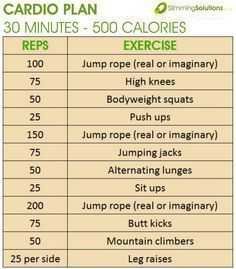
On average, you can burn between 200 to 400 calories in just 30 minutes of cardio, depending on factors like your weight, workout intensity, and type of activity. That quick session not only boosts your heart health but also helps burn calories efficiently. Want to know how to maximize those calories burned? Keep reading to discover how different cardio activities impact your calorie expenditure and tips to get the most out of your workout.
In just half an hour of cardio, you can burn a significant number of calories that aid weight loss and improve overall fitness. The actual number varies based on individual differences and workout intensity, but understanding the factors involved can help you optimize your exercise routine. Whether you prefer running, cycling, or dancing, there are ways to increase calorie burn and make your workout more effective.
Getting your heart pumping with cardio is a fantastic way to stay healthy and shed those extra pounds. When you do cardio exercises, your body consumes energy, leading to calorie burn. Several variables influence exactly how many calories you burn—such as your body weight, the activity you choose, and how intensely you exercise. A brisk walk might burn fewer calories than an intense cycling session, but both are beneficial. Knowing this can motivate you to choose specific activities or increase intensity to meet your fitness goals. So, if you’re aiming to incorporate more cardio into your routine, understanding how many calories you can burn in just 30 minutes can help you plan and stay motivated on your fitness journey.

How Many Calories Burned in 30 Minutes of Cardio
Understanding Calorie Burn During Cardio
Cardio exercises are a popular way to burn calories and improve overall health. The number of calories burned in 30 minutes depends on several factors, including your weight, age, fitness level, and the intensity of your workout. Knowing this helps you plan effective workouts that match your health goals.
Factors That Influence Calorie Burn
Several key factors influence how many calories you burn during 30 minutes of cardio. These include your **body weight**, **exercise intensity**, and the **type of activity**. For example, a heavier person generally burns more calories doing the same workout as a lighter person.
Body Weight and Calorie Burn
A person’s weight is directly related to calorie expenditure. Heavier individuals require more energy to move their bodies, leading to higher calorie burn. Typically, a person weighing 150 pounds burns fewer calories than someone weighing 200 pounds doing the same exercise at the same intensity.
Exercise Intensity
The intensity level of your workout is crucial. Moderate-intensity exercises like brisk walking burn fewer calories than high-intensity activities like running or jumping rope. Increasing the effort level can significantly boost calorie expenditure.
Type of Cardio Exercise
Different types of cardio activities burn different amounts of calories. For example:
- Running
- Cycling
- Jump rope
- Rowing
- Aerobic dance
Each activity engages muscles differently and at various intensities, affecting calorie burn.
Calorie Burn Estimates Based on Activity
Here is a table showing approximate calories burned in 30 minutes for a person weighing around 155 pounds:
| Activity | Calories Burned in 30 Minutes |
|---|---|
| Running (6 mph) | 295 |
| Cycling (12-14 mph) | 298 |
| Jump Rope | 372 |
| Rowing (moderate effort) | 260 |
| Aerobic Dancing | 210 |
This table illustrates how calorie burn varies with different activities and intensities.
How Weight Affects Calories Burned
Your weight plays a vital role in calorie burning calculations. For example, a person weighing 125 pounds may burn approximately 200 calories doing a specific activity for 30 minutes, while someone weighing 185 pounds could burn about 300 calories for the same activity.
Estimating Calories Burned for Different Weights
To estimate calorie expenditure based on weight, you can use the following formula:
- Calories burned = MET value × weight in kg × duration in hours
Where **MET** (Metabolic Equivalent of Task) differs for each activity.
High-Intensity vs. Moderate-Intensity Cardio
High-intensity cardio workouts burn more calories in less time compared to moderate exercises. For example, sprinting can burn around 370 calories in 30 minutes, whereas a brisk walk might burn 150 calories in the same period.
Benefits of High-Intensity Cardio
High-intensity workouts not only burn more calories but also boost your metabolism longer after exercise, aiding fat loss. They are ideal for those who need efficiency in their fitness routines.
Advantages of Moderate-Intensity Cardio
Moderate exercises are easier to sustain for longer periods and are suitable for beginners. They still effectively burn calories and support cardiovascular health.
Strategies to Maximize Calorie Burning
To maximize calorie expenditure during your 30-minute cardio session, consider the following tips:
- Increase intensity gradually
- Incorporate intervals (interval training)
- Use full-body movements
- Maintain proper form to avoid injury
- Include variety in your workout routine
Interval Training for Better Results
Alternating between high and low-intensity intervals can increase calorie burn and improve fitness. For example, sprint for 30 seconds, then walk for 60 seconds, and repeat.
Comparing Cardio Exercises and Their Calorie Burn
Different cardio workouts offer varying calorie expenditures. Here’s a quick comparison:
- Running: Burns approximately 295 calories in 30 minutes at 6 mph.
- Cycling: Burns around 298 calories at a moderate pace.
- Jump Rope: Very effective, burns about 372 calories.
- Rowing: Burns roughly 260 calories.
- Dancing: Burns around 210 calories, but varies with intensity.
Additional Tips for Effective Cardio Workouts
Consistency is key to burning calories and reaching your goals. Establish a routine, set achievable goals, and gradually increase workout intensity. Remember to warm-up before and cool down afterward to prevent injury and promote recovery.
Monitoring Your Progress
Using fitness trackers or heart rate monitors can help you stay within your target calorie burn zone. Tracking progress motivates you and helps adjust your routine accordingly.
Understanding how many calories you burn during 30 minutes of cardio helps tailor your workouts for optimal results. By considering factors such as weight, exercise type, and intensity, you can maximize your calorie expenditure. Remember, combining consistency with variety leads to better health and fitness outcomes.
Frequently Asked Questions
How does the intensity of cardio affect the number of calories burned in half an hour?
Higher-intensity cardio activities, such as running or cycling at a fast pace, increase your heart rate significantly, leading to more calories burned in 30 minutes. Conversely, moderate or low-intensity exercises, like brisk walking or light jogging, burn fewer calories. Your effort level directly influences the caloric expenditure during this period.
What are some factors that can influence individual calorie burn during cardio sessions?
Several factors impact how many calories you burn during 30 minutes of cardio, including your age, weight, gender, muscle mass, and overall fitness level. For instance, an individual with more muscle mass tends to burn more calories even during moderate activity. Additionally, your metabolism rate and exercise technique play roles in caloric expenditure.
Can switching between different cardio activities affect total calories burned in 30 minutes?
Yes, alternating between various cardio exercises can influence total calories burned. Different activities engage muscles differently and vary in intensity, which can lead to increased overall caloric expenditure. Incorporating a mix of activities like running, jumping rope, or rowing can optimize calorie burn within the same timeframe.
Final Thoughts
Le nombre de calories brûlées en 30 minutes de cardio dépend de plusieurs facteurs comme le poids, l’intensité et le type d’exercice. En général, une activité modérée peut brûler entre 200 et 300 calories, tandis qu’un entraînement plus intense peut atteindre 400 calories ou plus.
Comprendre combien de calories vous brûlez peut vous aider à mieux planifier votre routine de fitness. La réponse à la question ‘how many calories burned in 30 minutes of cardio’ varie d’une personne à l’autre, mais il est important de rester actif.
En résumé, 30 minutes de cardio peuvent brûler entre 200 et 400 calories selon votre effort. Maintenir une régularité dans votre entraînement optimise ces résultats.
As an Amazon Associate, We earn from qualifying purchases. When you purchase a product through Amazon links on pulsefitguide.com, we may earn a small commission at no extra cost to you. This helps support the site and keep our content free.