

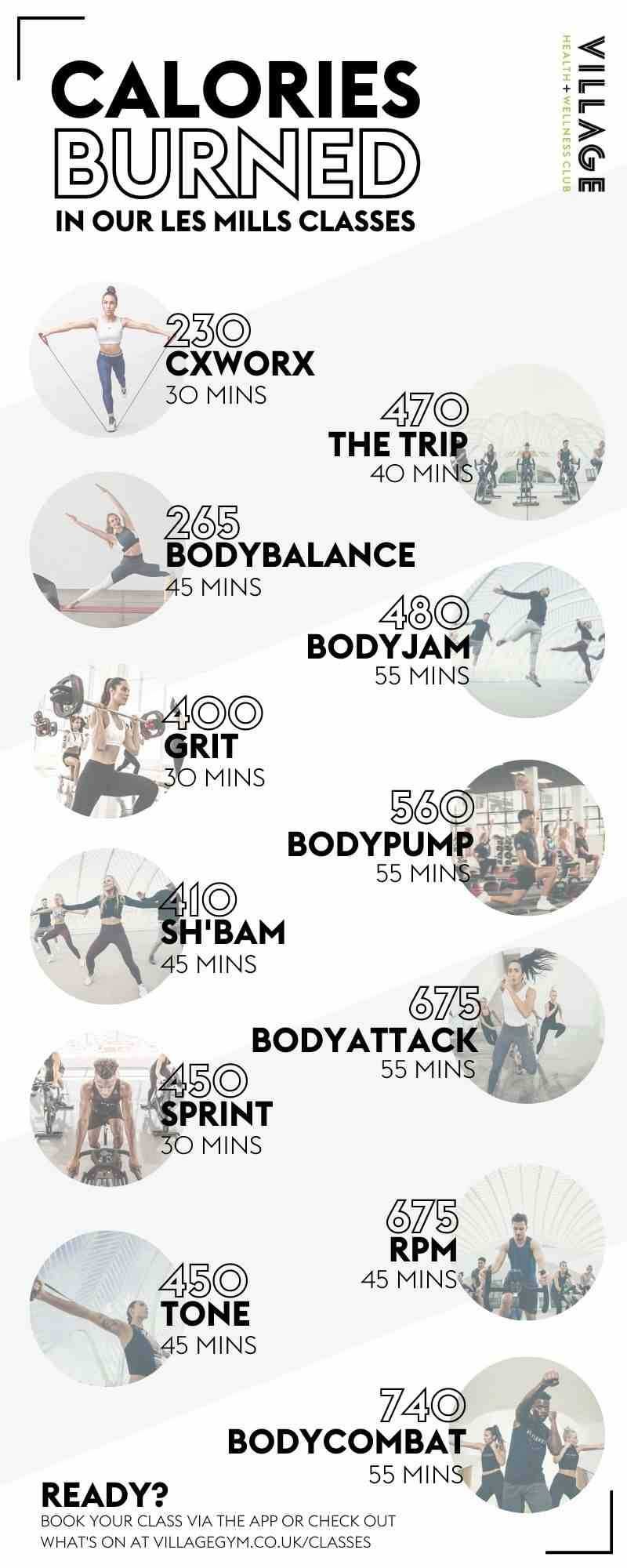
A healthy body typically needs around 1,800 to 2,400 calories daily, but it varies based on individual factors. To keep your body balanced and functioning optimally, you need to understand how many calories your body actually requires. The amount of calories necessary depends on age, gender, activity level, and overall health. For most adults, maintaining a stable body weight involves consuming enough calories to match energy expenditure. In this article, we’ll explore what “body balance” means in terms of calorie intake and how to determine your personal needs to stay healthy and energized. Whether you’re aiming to lose, gain, or maintain weight, knowing your calorie requirements is essential for a balanced lifestyle. Keep reading to find out the key factors involved in calculating and maintaining your perfect calorie intake.

How Many Calories Body Balance Needs to Maintain a Healthy Lifestyle
Understanding how many calories your body needs is essential for maintaining a healthy weight and ensuring your body functions properly. Calories provide the energy your body requires for daily activities, digestion, and bodily processes. When you strike the right balance, you support your overall health and well-being.
What Are Calories and Why Are They Important?
Calories are units of energy derived from food and drinks we consume daily. Your body uses these calories to perform vital tasks such as breathing, circulating blood, and moving muscles. Without enough calories, your body cannot function efficiently, but consuming too many can lead to weight gain.
Achieving the right calorie intake helps you stay energized and supports your physical activity and recovery. It also plays a key role in weight management, whether you want to lose, gain, or maintain your current weight.
Factors Affecting Your Daily Calorie Needs
Several factors influence the number of calories your body needs daily. These include age, gender, weight, height, activity level, and overall health. Understanding these factors allows you to estimate your personal calorie requirements accurately.
For example, younger individuals typically require more calories than older adults due to higher metabolic rates. Men generally need more calories than women, especially if they are physically active.
Age and Metabolism
As you age, your metabolism naturally slows down, reducing your calorie needs. Children and teenagers require more calories for growth and development. Active adults need more energy than sedentary people.
Gender Differences
Men tend to have more muscle mass than women, which burns more calories at rest. Therefore, men’s daily calorie needs are higher, especially if they are active.
Physical Activity Level
The more active you are, the more calories you burn daily. Sedentary individuals require fewer calories, while athletes and active workers need more to fuel their activity levels.
How Many Calories Do You Need to Maintain Your Body Balance?
To keep your body energy balanced, you must consume roughly the same number of calories as you burn each day. This balance helps you maintain your current weight over time.
The average daily calorie needs for different activity levels vary widely, but here are some general guidelines:
| Activity Level | Calorie Range (per day) |
|---|---|
| Sedentary (little or no exercise) | 1,600 to 2,000 calories |
| Moderately active (light exercise or sports 1-3 days/week) | 1,800 to 2,200 calories |
| Active (moderate exercise or sports 3-5 days/week) | 2,000 to 2,400 calories |
| Very active (hard exercise or sports 6-7 days/week) | 2,200 to 2,800 calories |
How to Calculate Your Personal Calorie Needs
You can estimate your daily calorie needs by using the Harris-Benedict Equation or the Mifflin-St Jeor Equation. These formulas help you compute your Basal Metabolic Rate (BMR), which is the calories your body needs at rest.
Once you have your BMR, multiply it by an activity factor to find your total daily calorie needs:
- Sedentary (little or no exercise): BMR x 1.2
- Lightly active (light exercise 1-3 days/week): BMR x 1.375
- Moderately active (moderate exercise 3-5 days/week): BMR x 1.55
- Very active (hard exercise 6-7 days/week): BMR x 1.725
- Extra active (very intense exercise or physical job): BMR x 1.9
Example Calculation
If a 30-year-old woman weighs 150 pounds, is 5 feet 6 inches tall, and exercises 3 times a week, her BMR is approximately 1,400 calories. Multiplied by 1.55 (moderately active), she needs around 2,170 calories daily to maintain her current weight.
Balancing Calories for Weight Loss or Gain
To lose weight, you need to create a calorie deficit by eating fewer calories than you burn. A deficit of 500 calories per day typically results in about one pound of weight loss per week.
Conversely, to gain weight, you should consume more calories than your body burns. A surplus of 500 calories daily can help you gain about a pound weekly, especially when combined with strength training.
Tips for Managing Your Calorie Intake
- Focus on nutrient-dense foods like fruits, vegetables, lean proteins, and whole grains.
- Limit high-calorie, low-nutrient foods such as candies, sodas, and fried foods.
- Practice portion control to prevent overeating.
- Eat regularly and avoid skipping meals to keep your metabolism steady.
- Stay hydrated to support your body’s metabolic processes.
Macronutrients and Their Role in Body Balance
Calories come from three main macronutrients: carbohydrates, proteins, and fats. Each plays a unique role in maintaining your energy balance and overall health.
Carbohydrates
Carbohydrates are the body’s primary energy source, providing about 4 calories per gram. They include foods like bread, pasta, fruits, and vegetables.
Balancing carbohydrate intake is crucial for sustained energy and avoiding blood sugar swings.
Proteins
Proteins support muscle repair, immune function, and hormone production. They also deliver 4 calories per gram. Sources include meat, fish, eggs, beans, and nuts.
Consuming enough protein helps maintain body balance, especially during weight loss or muscle building.
Fats
Fats are vital for hormone production, brain health, and absorbing fat-soluble vitamins. They provide 9 calories per gram, making them the most calorie-dense macronutrient.
Healthy fats from avocados, nuts, seeds, and olive oil should be included in a balanced diet.
Related Topics for Better Understanding
How Exercise Affects Your Calorie Needs
Physical activity burns calories, increasing your daily energy expenditure. Incorporating regular exercise can help you balance your calories more effectively.
Calorie Tracking and Food Journals
Using apps or food diaries helps monitor your intake and ensure you stay within your calorie goals for weight management.
Understanding Body Composition and Calories
More muscle mass means a higher resting metabolic rate, leading to increased calorie burn. Strength training can improve your body composition and calorie balance.
Knowing how many calories your body needs allows you to create a diet plan suited to your goals. Balancing calories with activity levels ensures you maintain your health, support your energy needs, and reach your desired weight effectively.
What is a calorie? – Emma Bryce
Frequently Asked Questions
What factors influence the number of calories burned during a Body Balance session?
The calories burned during a Body Balance class depend on several factors such as your weight, age, gender, and the intensity of your workout. Additionally, your level of fitness and the duration of each session also play significant roles in determining the total calories expended.
How does Body Balance compare to other fitness classes in calorie burn?
Compared to high-impact classes like running or cycling, Body Balance typically burns fewer calories per session because it emphasizes gentle movements, stretching, and controlled breathing. However, it offers benefits such as improved flexibility, balance, and mental focus, making it a suitable option for those seeking a low-impact workout with calorie-burning benefits.
Can regular Body Balance practice help in weight management?
Yes, practicing Body Balance regularly can support weight management by burning calories and reducing stress. While it may not burn as many calories as more intense workouts, combining it with a balanced diet and other physical activities can help you achieve your weight goals over time.
Final Thoughts
Maintaining body balance involves understanding calorie intake and expenditure. The question of how many calories body balance requires varies based on individual factors like age, weight, and activity level.
On average, a balanced diet aligns with your daily caloric needs to support overall health. Monitoring this helps prevent weight gain or loss.
In conclusion, how many calories body balance needs depends on individual lifestyle. Staying attentive to your body’s signals ensures proper energy levels and health.
As an Amazon Associate, We earn from qualifying purchases. When you purchase a product through Amazon links on pulsefitguide.com, we may earn a small commission at no extra cost to you. This helps support the site and keep our content free.