
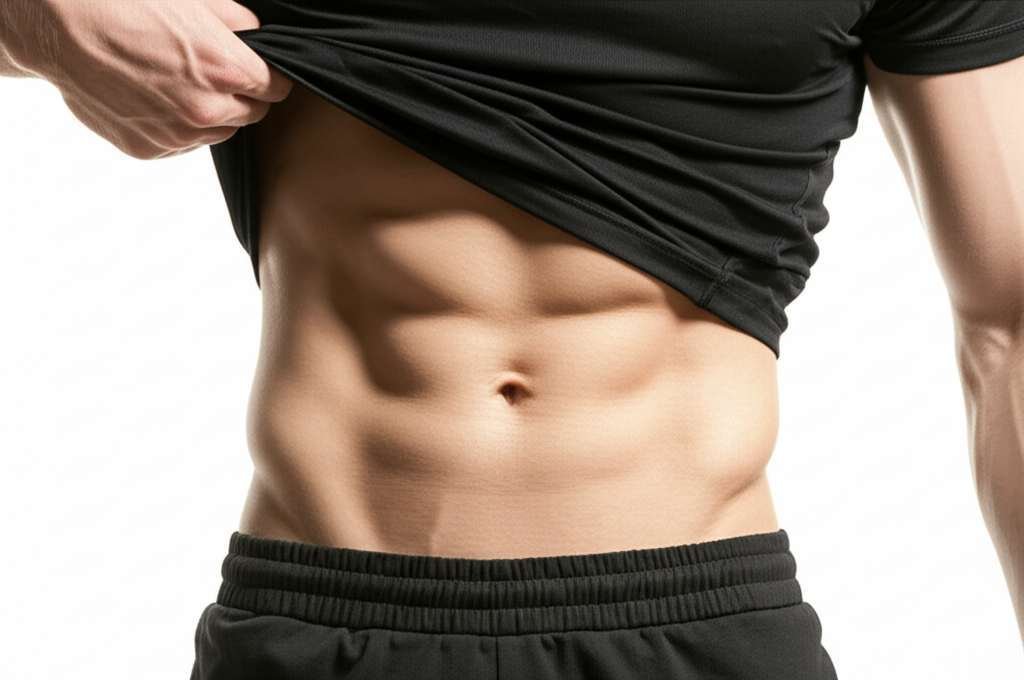
Quick Summary: To burn fat effectively, aim for fasting periods of 12-16 hours most days. This allows your body to tap into stored fat for energy. Start slow and listen to your body for amazing results!
Feeling a bit sluggish lately? Or maybe you’re ready to finally tackle those weight goals, but the whole “fitness” thing feels a little… complicated? You’re not alone! Lots of people want to feel healthier and stronger, but they don’t know where to begin. Well, guess what? It doesn’t have to be hard. We’re going to break down how to use fasting to help your body burn fat, and I promise it’s simpler than you think. Get ready to feel amazing!
Your Body’s Fat-Burning Secret Weapon: Fasting!
Think of your body like a car. It needs fuel to run, right? Normally, your body uses the food you eat as its go-to fuel. But when you don’t eat for a while, your body starts looking for other fuel sources. That’s where stored fat comes in! Fasting is just a way to give your body a break from constant eating, so it can switch gears and burn that stored fat.
What Exactly is “Fasting” for Fat Loss?
When we talk about fasting for fat loss, we’re usually talking about “intermittent fasting.” This isn’t about starving yourself! It’s simply about choosing when you eat and when you don’t eat. You create a window of time where you eat normally, and then a window where you fast (meaning no calories). This helps your body access stored energy.

How Long Should You Fast to Burn Fat? The Sweet Spot!
This is the big question! For most beginners looking to burn fat, the sweet spot is usually between 12 to 16 hours of fasting each day. Why this range? It gives your body enough time to use up the glucose (sugar) from your last meal and start tapping into your fat stores for energy.
Imagine your body has a gas tank. After you eat, it fills up with easy-to-use gas (glucose). If you keep filling it up all day, it never needs to dip into the reserve tank (fat). Fasting helps empty that main tank so your body goes for the reserves!
The 12-Hour Fast: Your Awesome Starting Point
If you’re totally new to this, start with a 12-hour fast. This is super easy to fit into your day! For example, if you finish dinner at 7 PM, you wouldn’t eat again until 7 AM the next morning. This often just means skipping breakfast or having it a little later.
Example:
- Last bite: 7:00 PM
- First bite: 7:00 AM
- Total fast: 12 hours
This 12-hour window gives your body a good chance to start burning fat overnight. It’s a gentle way to begin!
The 14-Hour Fast: Stepping It Up
Once you’re comfortable with 12 hours, you can try extending it to 14 hours. This gives your body a bit more time to really dig into fat reserves. It might mean pushing your first meal back a couple of hours.
Example:
- Last bite: 7:00 PM
- First bite: 9:00 AM
- Total fast: 14 hours
Many people find this 14-hour fast works really well for them. It’s a great balance between giving your body time to burn fat and still having a good eating window.
The 16-Hour Fast: The Fat-Burning Powerhouse
This is often called the “16:8” method, meaning you fast for 16 hours and have an 8-hour eating window. This is where many people see really noticeable fat-burning results. That extra time in a fasted state really encourages your body to use fat for fuel.
Example:
- Last bite: 6:00 PM
- First bite: 10:00 AM
- Total fast: 16 hours
Remember, this 8-hour eating window is when you’ll have your meals. So, if you start eating at 10 AM, you’d finish your last meal by 6 PM. It requires a bit more planning, but the results can be amazing!
Listen to Your Body: The Most Important Rule!
Here’s the deal: everyone’s body is different. Some people feel fantastic with a 12-hour fast, while others thrive on 16 hours. There’s no one-size-fits-all answer! Pay attention to how you feel. Are you super hungry, tired, or grumpy? That’s your body telling you to adjust. Are you feeling energized and clear-headed? That’s a great sign you’re on the right track!
Don’t push yourself too hard, especially when you’re starting. It’s better to do a consistent 12-hour fast you can stick with than to try a 16-hour fast and give up after a day. Progress, not perfection, is key!
What Can You Drink During Your Fast?
This is a common question! During your fasting window, you want to stick to zero-calorie beverages. This keeps your body in that fat-burning state.
- Water: Your best friend! Drink plenty of it.
- Black Coffee: Unsweetened and without any milk or cream.
- Plain Tea: Green tea, black tea, herbal teas – all good as long as they are unsweetened.
Avoid anything with sugar, milk, cream, or artificial sweeteners, as these can sometimes break your fast and stop the fat-burning process.
Timing Your Fast: Morning vs. Evening
There are a couple of popular ways to structure your fasting window:
The Leangains Method (16:8, often evening fast)
This is the 16-hour fast with an 8-hour eating window. Many people prefer to fast overnight and into the late morning. This often looks like finishing dinner by 7 or 8 PM and then not eating again until 11 AM or 12 PM the next day. This is great because you sleep through a good chunk of the fast!
The Early Bird Method (e.g., 12-hour fast, morning fast)
This is great if you’re not a big breakfast person or if you prefer to eat dinner earlier. You might finish eating by 6 PM and then wait until 6 AM to eat again. Or, you could do a 12-hour fast from 7 PM to 7 AM, which is super manageable.
The best time to fast is whatever works best for your schedule and your body. Experiment to see what feels most natural and sustainable for you!
What to Eat During Your Eating Window
This is where you fuel your body with healthy, delicious food! The goal is to eat nutritious meals that keep you feeling full and satisfied, not to overeat because you’re starving. Focus on whole, unprocessed foods.
Simple Meal Ideas for Your Eating Window:
- Breakfast (if you eat it): Scrambled eggs with spinach and avocado, or Greek yogurt with berries and a few nuts.
- Lunch: A big salad with grilled chicken or fish, lots of colorful veggies, and a healthy dressing. Or a hearty lentil soup with whole-grain bread.
- Dinner: Baked salmon with roasted broccoli and sweet potato, or lean ground turkey stir-fry with brown rice and mixed vegetables.
Remember, quality over quantity! Eating nutrient-dense foods will help your body function better and support your fat-burning goals.
When Does the Fat Burning Really Start?
Your body starts burning some fat relatively quickly after you finish your last meal. After about 10-12 hours of fasting, your glucose levels are low, and your body starts to increase fat burning.
However, to see significant and consistent fat loss, you need to make fasting a regular habit. This means sticking to your chosen fasting window most days of the week. Consistency is your superpower here!
A Sample Weekly Plan for Beginners
Here’s a simple way to get started. You don’t have to do this every single day, especially at first! Mix and match to find what works.
| Day | Fasting Goal | Notes |
|---|---|---|
| Monday | 12-hour fast (e.g., 7 PM – 7 AM) | Easy start. Focus on good hydration. |
| Tuesday | 14-hour fast (e.g., 7 PM – 9 AM) | Slightly longer fast. Listen to your hunger. |
| Wednesday | 12-hour fast (e.g., 8 PM – 8 AM) | Rest day from longer fasting. |
| Thursday | 16-hour fast (e.g., 6 PM – 10 AM) | Try the longer window. Enjoy your 8-hour eating period. |
| Friday | 12-hour fast (e.g., 7 PM – 7 AM) | Keep the habit going. |
| Saturday | 14-hour fast (e.g., 7 PM – 9 AM) | Weekend flexibility. |
| Sunday | Rest or 12-hour fast | Listen to your body. Maybe a lighter eating day. |
Remember, this is just a template! If a 16-hour fast feels too much on a busy Thursday, switch it to a 12-hour fast. The goal is sustainability and feeling good.
Fat-Burning Workouts to Boost Your Results
While fasting helps your body access fat, combining it with exercise can really speed things up and build lean muscle. You don’t need to do intense workouts while fasting, but moving your body is fantastic!
| Workout Type | How It Helps Fat Burning | Beginner Tip |
|---|---|---|
| Cardio (Walking, Jogging, Cycling) | Burns calories during the activity and improves overall fitness. | Start with 20-30 minutes of brisk walking most days. |
| High-Intensity Interval Training (HIIT) | Short bursts of intense exercise followed by brief rests. Burns a lot of calories in a short time and boosts metabolism afterward (EPOC). | Try 15-20 minutes of exercises like jumping jacks, squats, and push-ups with 30 seconds of work and 30 seconds of rest. Do 1-2 times a week. |
| Strength Training (Weights, Bodyweight) | Builds muscle, which increases your resting metabolism. More muscle means you burn more calories even when you’re not exercising. | Focus on compound movements like squats, lunges, and push-ups. Start with 2-3 times a week. |
A great strategy is to do your fasting-friendly cardio (like walking) during your fasted state and then have your post-workout meal within your eating window. Strength training is also awesome anytime, but fueling up afterward is key.
Common Mistakes to Avoid
Let’s make sure you set yourself up for success!
- Eating too much junk during your window: Fasting helps, but you still need to eat healthy foods to fuel your body and see results.
- Not drinking enough water: Dehydration can make you feel tired and hungry. Stay hydrated!
- Fasting for too long too soon: Start slow! A 12-hour fast is perfectly fine.
- Ignoring your body’s signals: If you feel unwell, take a break or adjust your fasting window.
- Comparing yourself to others: Everyone’s journey is unique. Focus on your progress!
Frequently Asked Questions (FAQs)
Got more questions? I’ve got you covered!
How long does it take to burn fat with fasting?
You start burning fat within hours of fasting, but to see noticeable results, aim for consistency over weeks and months. Combining fasting with healthy eating and exercise is the fastest way!
What’s the best time to work out with intermittent fasting?
Many people like to work out during their fasted state (especially lighter cardio) and then eat their post-workout meal during their eating window. Others prefer to work out after breaking their fast. Both can work – see what feels best for you!
Do I need a gym to lose weight with fasting?
Nope! You can absolutely burn fat and get fit at home. Bodyweight exercises, walking, and simple home equipment can be very effective. The gym is optional!
How can I stay motivated every day?
Focus on how much better you feel, not just the number on the scale. Celebrate small wins, find an accountability buddy, and remember why you started. Seeing progress, even small steps, is a huge motivator!
What should I eat before or after exercise?
If you exercise during your fasted state, it’s usually best to wait until your eating window to refuel. Focus on a balanced meal with protein and healthy carbs after your workout to help muscle recovery and growth.
How much water should I drink daily?
Aim for at least 8 glasses (about 2 liters or half a gallon) of water per day. You’ll likely need more if you’re active or in a hot climate. Water is key for everything!
How many rest days should I take?
Rest days are super important for muscle recovery and preventing burnout. Listen to your body! If you’re feeling sore or tired, take a rest day. You might do active recovery like gentle stretching or a short walk.
Keep Going, You’ve Got This!
See? Intermittent fasting for fat loss isn’t some complicated science experiment. It’s a simple, flexible tool that can help your body tap into its amazing fat-burning power. Remember to start with a 12-hour fast, listen to your body, and slowly work your way up if you feel good.
By combining smart fasting with healthy food choices and movement, you’re on your way to unlocking some truly amazing results. Be patient with yourself, celebrate every small victory, and enjoy this journey to a healthier, happier you. You’ve got this — one step, one day at a time!
As an Amazon Associate, We earn from qualifying purchases. When you purchase a product through Amazon links on pulsefitguide.com, we may earn a small commission at no extra cost to you. This helps support the site and keep our content free.