

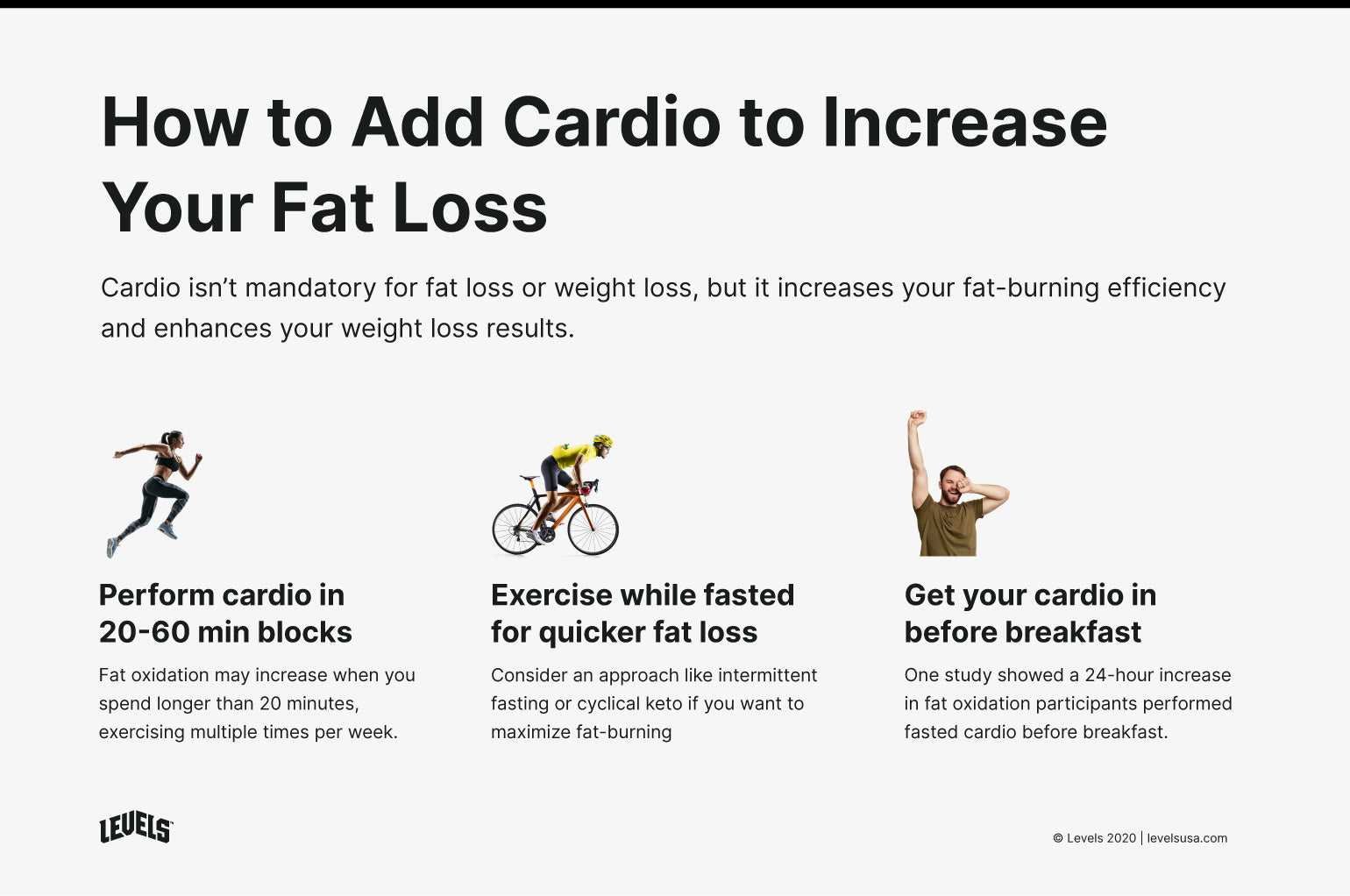
For optimal health and fitness, aim to do cardio sessions lasting between 150 to 300 minutes per week, depending on your goals and fitness level. Breaking this down into manageable bouts—such as 30-minute workouts most days—can make cardio both effective and enjoyable. The key is consistency and listening to your body.
In just a few minutes a day, you can significantly boost your cardiovascular health, burn calories, and improve your mood. The right duration depends on your personal objectives, whether you’re looking to lose weight, improve endurance, or maintain overall health. So, how long you should do cardio varies, but generally, 30 to 60 minutes per session is a solid guideline to help you stay motivated and achieve your goals.

How Long Should You Do Cardio For? A Complete Guide
Understanding Cardio and Its Benefits
Cardio exercise, also called aerobic exercise, is any activity that increases your heart rate and breathing. It helps improve heart health, boost stamina, burn calories, and support weight loss. Knowing how long to do cardio ensures you get these benefits without overdoing it. The right duration depends on your goals, fitness level, and the type of cardio you choose.
Common Types of Cardio Exercises
There are many ways to get your cardio in. Some popular options include walking, running, cycling, swimming, jumping rope, and group fitness classes. Each type offers different intensity levels, which influence how long you should perform each session.
How Long Should Beginners Do Cardio?
If you are just starting out, aim for at least 15 to 20 minutes of moderate-intensity cardio. This helps your body adapt gradually and reduces the risk of injury. As your fitness improves, you can slowly increase the duration to build endurance without feeling overwhelmed.
Recommended Duration for Different Fitness Goals
Your goals profoundly influence how long you should do cardio. Here’s a quick breakdown:
Weight Loss
To lose weight effectively, aim for sessions lasting between 30 to 60 minutes. Longer sessions burn more calories and help create a calorie deficit. Incorporate both moderate and high-intensity workouts for variety and maximum results.
Cardiovascular Health
For heart health, the American Heart Association suggests doing at least 150 minutes of moderate-intensity cardio weekly. This translates to about 30 minutes five days a week. You can break sessions into shorter periods if needed.
Endurance and Performance
If your goal is to improve stamina, workouts may last from 45 minutes up to 90 minutes. Include interval training and longer sessions to challenge your cardiovascular system and develop endurance.
How to Structure Your Cardio Sessions
Creating a balanced workout involves considering the duration, intensity, and frequency. Combining different types of cardio can prevent boredom and optimize results. Here are some ideas:
- Start with warmer sessions of 15 to 20 minutes.
- Progressively increase duration by 5-minute increments every week.
- Alternate between steady-state cardio and interval training for variety.
- Take rest days to allow your body to recover and avoid burnout.
Interval Training and Its Impact on Duration
High-Intensity Interval Training (HIIT) involves short bursts of intense activity followed by rest periods. These workouts are shorter, usually lasting between 15 and 30 minutes, but they can be very effective.
Advantages of HIIT
- Burns more calories in less time.
- Boosts metabolism even hours after finishing.
- Improves both aerobic and anaerobic fitness.
Recommendations for HIIT
Start with 15 to 20 minutes of HIIT and gradually increase the duration as your endurance improves. Always warm up for at least 5 minutes and cool down afterward.
Signs You Are Doing Too Much Cardio
While cardio is beneficial, overdoing it can lead to fatigue or injury. Watch out for:
- Persistent soreness or pain.
- Feeling exhausted even after rest.
- Decreased performance over time.
- Loss of motivation or enthusiasm.
If you notice these signs, consider reducing your session duration or increasing rest days. Balance is key to sustainable progress.
Balancing Cardio With Other Workouts
To maximize overall fitness, combine cardio with strength training and flexibility exercises. For example, perform cardio three to five days a week and include strength workouts twice a week. This variety improves muscle tone, prevents boredom, and supports long-term health.
Practical Tips for Staying Consistent
Consistency makes all the difference. To stick with your cardio routine:
- Set realistic goals based on your schedule and fitness level.
- Choose enjoyable activities to stay motivated.
- Mix different types of cardio to keep workouts exciting.
- Track your progress to see improvements over time.
- Remember that even short sessions add up and contribute to your goals.
The ideal duration for cardio varies from person to person, depending on goals and fitness levels. Starting with 15 to 20 minutes for beginners, progressing to 30 or more minutes for weight loss or endurance, is a good approach. Incorporate a mix of steady-state and interval exercises, listen to your body, and balance cardio with other workouts. Doing so will help you enjoy the benefits of cardiovascular exercise while avoiding burnout or injury.
Frequently Asked Questions
What is the ideal duration for a cardio session to see health benefits?
Typically, engaging in 150 minutes of moderate-intensity cardio each week offers significant health advantages. This usually translates to about 30 minutes of activity, five days a week. If you prefer high-intensity workouts, 75 minutes per week can be effective. Adjust your sessions based on your fitness level and goals to ensure consistent progress and prevent burnout.
How can the length of my cardio workouts affect my overall fitness goals?
The duration of cardio exercises influences different fitness outcomes. For general health, 30 to 45 minutes per session works well. If your goal is weight loss or improved endurance, longer sessions of 45 to 60 minutes may be more beneficial. Shorter workouts can still contribute to cardiovascular health, especially if performed regularly, but increased duration often enhances results for specific objectives.
Are there benefits to varying the length of my cardio sessions during the week?
Varying the duration of your cardio workouts can prevent plateaus and keep your routine interesting. Incorporate shorter, high-intensity sessions with longer, moderate-intensity workouts to target different fitness aspects. For example, alternating between 20-minute sprints and 45-minute steady-state sessions helps improve both speed and endurance while reducing the risk of overuse injuries.
Final Thoughts
The ideal duration for cardio depends on your fitness goals and schedule. For general health, 150 minutes of moderate activity weekly works well, broken into 30-minute sessions most days. If you’re aiming for weight loss or improved endurance, 45-60 minutes per session can be more effective.
Balancing intensity and duration helps prevent burnout and injury. Listen to your body and adjust your sessions accordingly.
In conclusion, how long should you do cardio for? It varies based on your goals, but consistency remains key for noticeable results.
As an Amazon Associate, We earn from qualifying purchases. When you purchase a product through Amazon links on pulsefitguide.com, we may earn a small commission at no extra cost to you. This helps support the site and keep our content free.