

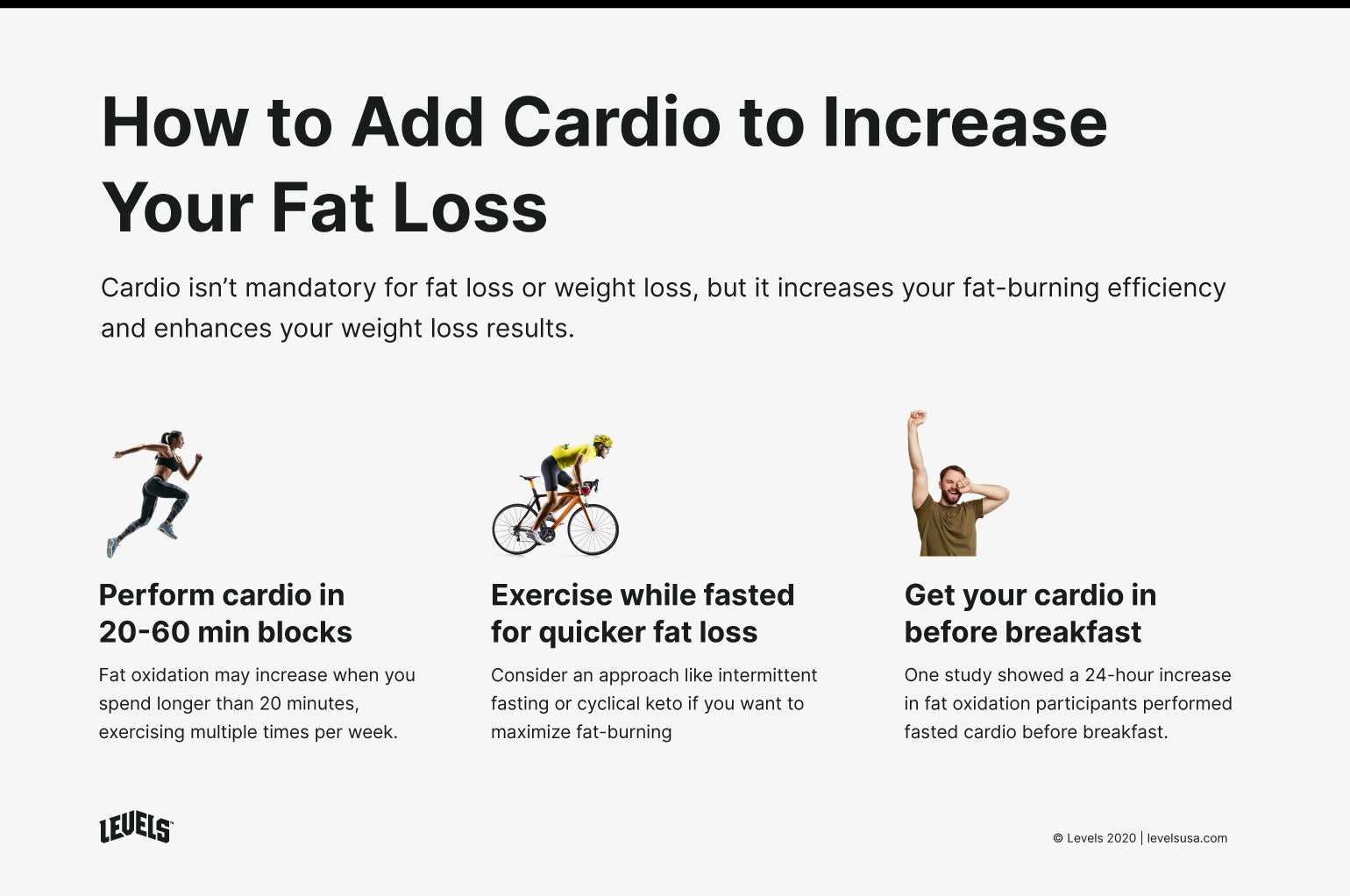
For most people, 150 minutes of moderate-intensity cardio per week is enough to stay healthy, but the perfect duration really depends on your goals. If you’re looking to improve endurance, you might need longer sessions, while shorter sessions could suffice for basic fitness or weight management. The key is consistency and listening to your body.
In short, aim for about 30 minutes of moderate cardio most days of the week, but adjust based on your specific health goals and fitness level. Whether it’s a brisk walk, cycling, or swimming, the right duration is the one that keeps you motivated and fits into your lifestyle.
Getting the most out of your workouts is all about finding that sweet spot where you’re challenged but not overwhelmed. If you’re just starting, even 10-15 minutes can make a difference, and as you get stronger, gradually increase your time to meet your goals. Remember, the best cardio routine is the one you enjoy and can stick to consistently.

How Long Should I Do Cardio? A Complete Guide
Understanding the Basics of Cardio Exercise
Cardio, short for cardiovascular exercise, includes activities like running, cycling, swimming, and brisk walking. These exercises get your heart pumping and lungs working harder. Doing the right amount of cardio can help improve your health, burn calories, and boost your energy levels.
Why Is Cardio Duration Important?
The length of your cardio session affects how many benefits you gain. Too little might not give you enough health improvements, while too much could lead to fatigue or injury. Picking the right duration helps you stay healthy and keep exercising comfortably.
How Long Should Beginners Do Cardio?
If you’re new to exercise, start slow. Aim for about 10 to 15 minutes of light to moderate cardio. Gradually increase your time by 5-minute increments each week. This approach helps your body adapt without feeling overwhelmed or exhausted.
Recommended Duration for Most Adults
For general health, adults should aim for at least 150 minutes of moderate-intensity cardio weekly. This breaks down into about 30 minutes a day, five days a week. If you prefer high-intensity workouts, about 75 minutes per week can suffice.
Moderate vs. High-Intensity Cardio
- Moderate intensity: Brisk walking, dancing, or leisurely cycling. Your breathing speeds up but you can still talk easily.
- High intensity: Running, fast cycling, or jumping rope. Breathing becomes faster and talking is harder.
Choosing the right intensity depends on your fitness level and goals.
How Long Should You Do Cardio for Weight Loss?
If your goal is to shed pounds, longer sessions can help burn more calories. Most experts recommend doing 30 to 60 minutes of moderate to vigorous cardio most days. Combining cardio with strength training accelerates weight loss and improves muscle tone.
Interval Training and Duration
High-Intensity Interval Training (HIIT) involves short bursts of intense activity followed by rest. An effective HIIT session can last between 15 to 30 minutes. This method can burn many calories in less time and boost your metabolism.
How Does Exercise Duration Affect Heart Health?
Consistency and duration are key for heart health. Regular 30-minute sessions of moderate cardio, like brisk walking or swimming, help lower blood pressure and improve cholesterol levels. Longer or more intense workouts can provide additional benefits, but consistency remains crucial.
Factors That Influence How Long You Should Do Cardio
Everyone is different. Your age, fitness level, health conditions, and goals all impact the ideal cardio duration. For example, older adults or those with health issues should consult a doctor for personalized advice. Listen to your body to avoid overtraining or injury.
Age and Fitness Level Considerations
Younger, fitter individuals might manage longer or more intense sessions. Beginners or those with health concerns should start with shorter, gentle workouts and increase gradually. Monitoring your response ensures safe and effective exercise time.
Balancing Cardio with Other Exercises
A well-rounded fitness routine includes strength, flexibility, and balance exercises. Incorporate cardio for cardiovascular health and calorie burn, but don’t overdo it. A mix of activities keeps exercise interesting and benefits your body in different ways.
Sample Weekly Cardio Plan
| Day | Type of Cardio | Duration |
|---|---|---|
| Monday | Brisk walking | 30 minutes |
| Wednesday | Cycling | 40 minutes |
| Friday | Swimming | 30 minutes |
| Saturday | Jogging or running | 20-45 minutes |
| Sunday | Rest or gentle walking | – |
This plan balances different activities and durations to optimize benefits.
Listening to Your Body and Adjusting Duration
Pay attention to how you feel during and after workouts. Feeling too exhausted or sore might mean you need less time or easier sessions. Gradually increase duration as your endurance improves for sustainable progress.
Incorporating Rest and Recovery
Even with regular exercise, rest days are necessary. They allow your muscles and heart to recover. Plan at least one or two days per week with light activity or rest to prevent burnout.
Common Mistakes to Avoid
- Overdoing cardio: Too long or intense sessions can cause fatigue or injury.
- Ignoring signals of fatigue: Listen closely to your body and reduce duration if you feel pain or extreme tiredness.
- Skipping warm-up and cool-down: Properly preparing and relaxing your muscles helps prevent injuries and soreness.
Finding the perfect duration for cardio depends on your goals, fitness level, and overall health. Starting slowly, increasing gradually, and listening to your body ensures you stay safe and motivated. Remember, consistency and balance are key to enjoying the many benefits of cardio exercise.
Frequently Asked Questions
How often should I include cardio in my weekly workout routine?
It is generally recommended to perform cardiovascular exercises three to five times per week. This frequency allows your body to build endurance without overtaxing muscles and joints. Adjust the number of sessions based on your fitness level and goals, ensuring you include rest days for recovery.
What’s an ideal duration for each cardio session to see benefits?
For most individuals, engaging in 20 to 30 minutes of cardio per session provides significant health benefits, such as improved heart health and increased stamina. If you aim for weight management or endurance, extending sessions to 45 minutes can be effective, provided you listen to your body and avoid overtraining.
How can I determine if I’m doing enough cardio for my fitness goals?
Monitoring your progress and how you feel during and after workouts can guide you. If you notice improved stamina, consistent weight loss, or better mood, your current routine likely suffices. For more specific goals like training for a race or improving cardiovascular health, consulting with a fitness professional can help tailor the duration and intensity of your sessions.
Should I vary the length of my cardio workouts based on the type of activity?
Yes, different activities may require different durations to be effective. For example, high-intensity interval training (HIIT) sessions are often shorter, around 15-20 minutes, but highly intense. Steady-state cardio like jogging or cycling might last 30-60 minutes for optimal results. Adjust the length according to the activity and your fitness level.
Are there signs I should stop or shorten my cardio sessions?
If you experience persistent pain, dizziness, or extreme fatigue during or after cardio workouts, it’s wise to reduce the duration or intensity. Staying attentive to your body’s signals helps prevent injury and overtraining. Gradually increase your workout length as your endurance improves to maintain a safe and effective routine.
Final Thoughts
The optimal duration for cardio depends on your goals and fitness level. For general health, aim for at least 150 minutes of moderate-intensity or 75 minutes of vigorous activity weekly. If you’re working on weight loss, consider 30 to 60 minutes most days.
For endurance training, longer sessions may be necessary, but listen to your body and avoid overtraining. Consistency is key, so find a routine that fits your schedule and keeps you motivated.
In conclusion, how long should I do cardio? Tailor your workouts to your needs, but for most, 30-45 minutes per session is effective. Stay consistent and enjoy your fitness journey.
As an Amazon Associate, We earn from qualifying purchases. When you purchase a product through Amazon links on pulsefitguide.com, we may earn a small commission at no extra cost to you. This helps support the site and keep our content free.