

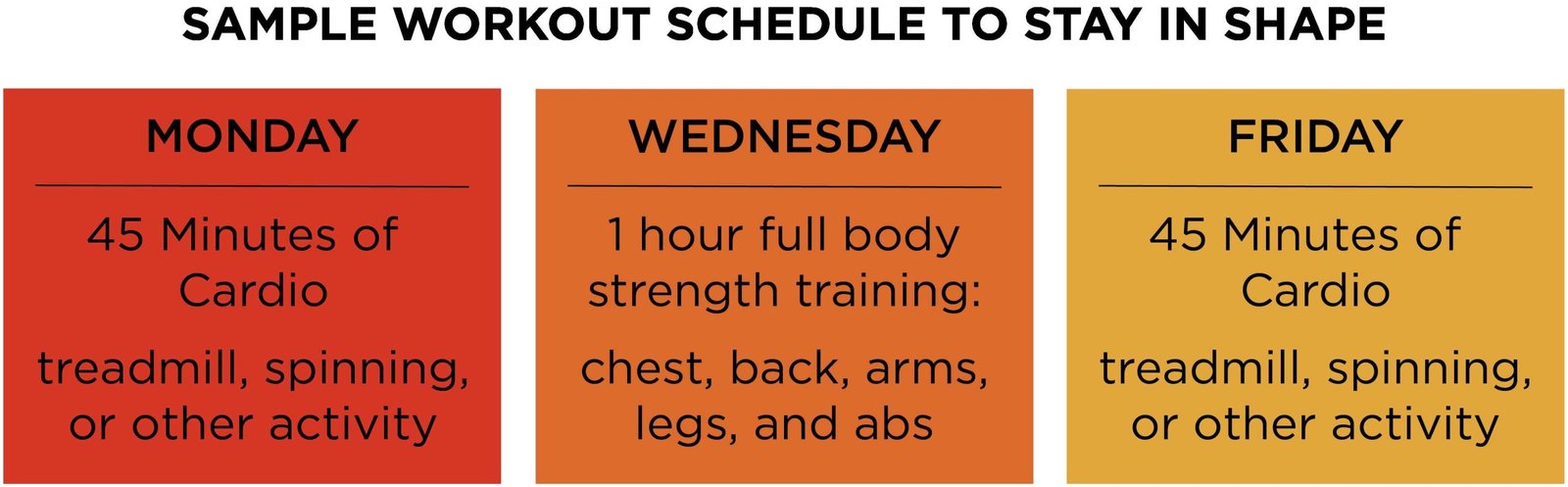
A cardio workout should typically last between 30 to 45 minutes for optimal health benefits. If you’re aiming for weight loss or improved endurance, 45 minutes to an hour can be more effective. The key is finding a duration that keeps you motivated without causing burnout.
For most people, a cardio session of about 30 to 45 minutes strikes the perfect balance between effectiveness and sustainability. This duration allows your body to burn calories, boost heart health, and improve stamina without overexertion. When you’re just starting out or pressed for time, even shorter sessions can be beneficial — like 20 minutes of brisk walking or cycling. The best workout length depends on your fitness level, goals, and schedule, but consistency is more important than duration alone. Keep moving regularly, and you’ll see progress regardless of the exact time spent.

How Long Should Cardio Workout Be? A Complete Guide to Cardio Duration
Understanding the Basics of Cardio Exercise
Cardio, also known as aerobic exercise, involves activities that increase your heart rate and breathing. It helps improve heart health, burn calories, and boost overall fitness. Common forms include brisk walking, running, cycling, swimming, and dancing. Knowing the right duration ensures you get the maximum benefits without overdoing it.
Why Is the Duration of Your Cardio Workout Important?
The length of your cardio session impacts your health results and safety. Too short and you might not see significant improvements; too long and you risk fatigue or injury. Finding the perfect duration depends on your fitness level, goals, and the type of exercise you choose.
Recommended Cardio Durations for Different Fitness Goals
Different goals require varied workout lengths. Here’s a quick look:
- Weight Loss: 150 minutes per week of moderate activity, or 75 minutes of intense activity, spaced out over the week.
- Improving Heart Health: At least 150 minutes of moderate or 75 minutes of vigorous activity weekly.
- Building Endurance: Longer sessions, around 45 to 60 minutes, are better to challenge your stamina.
Adjusting your workout length according to these goals can optimize results.
How Long Is Too Long? Risks of Excessive Cardio
Exercising for very long periods can lead to overtraining, injuries, or fatigue. Extended cardio sessions over several hours may strain your joints and weaken your immune system. Listening to your body and allowing proper recovery are key to avoiding these problems.
Duration Guidelines Based on Cardio Intensity
The time you spend on cardio also depends on how hard you’re working.
Moderate-Intensity Cardio
Activities like brisk walking or gentle cycling are considered moderate. These sessions typically last between 30 to 60 minutes. They are sustainable and effective for most fitness levels.
Vigorous-Intensity Cardio
Running, fast cycling, or intense swimming fall into this category. These can be effective in 20 to 30 minutes. Shorter sessions can still deliver excellent health benefits when done intensely.
Interval Training and Its Impact on Duration
High-Intensity Interval Training (HIIT) involves alternating between high and low intensity. These sessions are shorter, often lasting 15 to 30 minutes. Because of their intensity, they provide substantial benefits in less time.
How to Structure Your Cardio Workout Duration
A well-rounded plan considers warm-up, main activity, and cool-down.
- Warm-up: 5 to 10 minutes to prepare your body and prevent injury.
- Main workout: Duration varies based on your goal and intensity, from 15 to 60 minutes.
- Cool-down: 5 to 10 minutes to gradually reduce your heart rate and stretch muscles.
Following this structure helps maintain safety and effectiveness.
Listening to Your Body and Adjusting Duration
Pay attention to signs like fatigue, pain, or dizziness. If these occur, it’s wise to reduce time or intensity. As your fitness improves, you can gradually extend your workout duration. Consistency over time matters more than pushing for very long sessions initially.
Sample Weekly Cardio Schedule by Duration
Here’s an example based on different durations:
| Day | Type of Cardio | Duration | Intensity |
|---|---|---|---|
| Monday | Brisk walk | 30 minutes | Moderate |
| Wednesday | Jogging | 20 minutes | Vigorous |
| Friday | Bike ride | 45 minutes | Moderate to vigorous |
| Sunday | Swimming | 30 minutes | Vigorous |
How to Gradually Increase Your Cardio Duration
Start with manageable sessions, then increase length every week by about 10%. For example, if you begin with 20 minutes, aim for 22 minutes the following week. This gradual approach helps your body adapt safely and avoids burnout.
Special Considerations for Beginners and Advanced Athletes
Beginners should focus on shorter, consistent workouts of 15 to 30 minutes, gradually building up. Advanced athletes can handle longer, more intense sessions of 60 minutes or more. Adjust your duration based on your experience, recovery, and goals.
Combining Duration with Other Workout Variables
Balance your cardio duration with factors like frequency, intensity, and type of activity. For example, shorter, high-intensity sessions can replace longer moderate workouts. Mixing different durations and intensities prevents plateaus and maintains motivation.
Summary of Key Points About Cardio Duration
- Aim for at least 150 minutes of moderate or 75 minutes of vigorous cardio weekly.
- Longer sessions are needed for endurance building, typically 45-60 minutes.
- Shorter, intense workouts like HIIT last around 15-30 minutes and are highly effective.
- Adjust duration based on your fitness level, goals, and how your body responds.
- Gradually increase your workout time to prevent injury and improve stamina.
Related Topics to Explore
- Best types of cardio exercises for beginners
- How to avoid common cardio mistakes
- Benefits of combining cardio with strength training
- Tips for staying motivated on your cardio journey
The right duration for your cardio workout depends on your personal goals, current fitness, and activity preferences. Whether you’re aiming for fat loss, increased endurance, or heart health, adjusting the length of your sessions is vital. Remember to listen to your body, start slow, and build gradually to enjoy a safe and rewarding fitness journey.
Frequently Asked Questions
What is the recommended duration for a daily cardio session?
For most people, engaging in 30 to 45 minutes of moderate-intensity cardio daily provides significant health benefits. This duration helps improve cardiovascular health, boost endurance, and support weight management. If you’re new to exercise, start with shorter sessions and gradually increase the duration to avoid overexertion.
How does workout duration vary for different fitness levels?
Beginners should aim for 20 to 30 minutes of cardio, focusing on consistency rather than intensity. As your fitness improves, you can extend sessions to 45 minutes or more, incorporate higher-intensity intervals, or combine different forms of cardio to maximize results. Experienced athletes may perform sessions lasting an hour or more, depending on their training goals.
Is there an optimal length for high-intensity interval training (HIIT) sessions?
HIIT sessions typically range from 15 to 30 minutes, including warm-up and cool-down periods. Due to their intense nature, shorter durations are effective in delivering cardiovascular and metabolic benefits without causing excessive fatigue. Stick to the recommended duration to maintain safety and maximize effectiveness.
Can shorter cardio workouts still be beneficial?
Yes, even quick sessions of 10 to 20 minutes can boost your health. Shorter workouts are effective if they are performed with enough intensity to elevate your heart rate. Incorporate bursts of higher effort to make the most of limited time, especially on busy days.
Should I extend my cardio sessions for better results?
Extending cardio workouts can lead to improved endurance and additional calorie burn, but it depends on your goals. If you’re aiming for weight loss or increased stamina, gradually increasing session length can be beneficial. Always listen to your body and avoid overtraining by progressively boosting duration rather than making abrupt increases.
Final Thoughts
The appropriate duration for a cardio workout depends on individual goals and fitness levels. Generally, 150 minutes of moderate-intensity exercise or 75 minutes of high-intensity activity each week proves effective.
For weight loss or improved cardiovascular health, aim for 30 to 60 minutes per session. Shorter sessions can be beneficial if done more frequently throughout the week.
In conclusion, the key is consistency and intensity. So, how long should cardio workout be? Aim for 30 to 60 minutes based on your goals and stay consistent to see results.
As an Amazon Associate, We earn from qualifying purchases. When you purchase a product through Amazon links on pulsefitguide.com, we may earn a small commission at no extra cost to you. This helps support the site and keep our content free.