

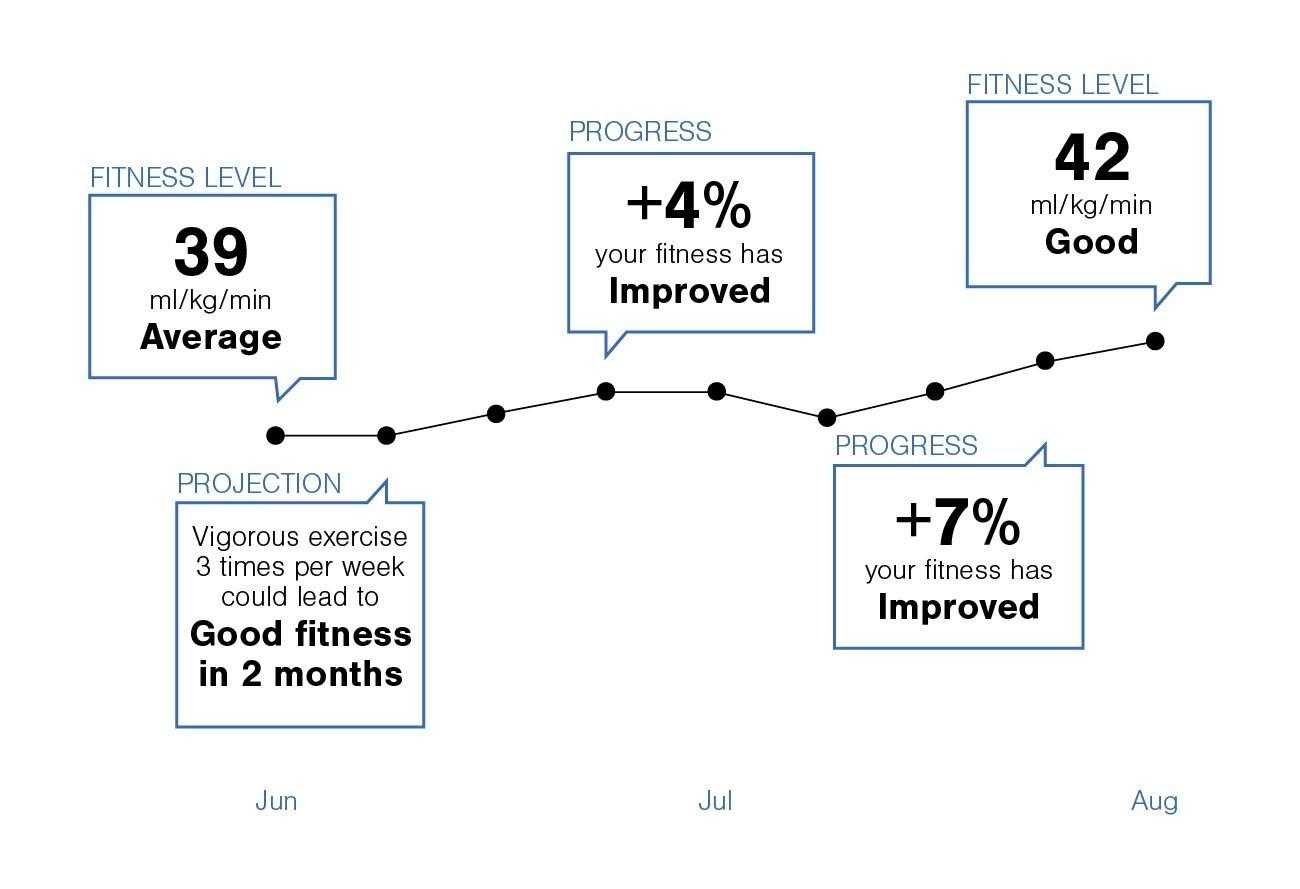
Improving your cardio fitness can start showing noticeable results within a few weeks, but significant changes usually take around 8 to 12 weeks of consistent effort. The timeline varies based on your current fitness level, workout routine, and dedication. Keep in mind, progress depends on how regularly and intensely you train, along with proper recovery and nutrition.
In a nutshell, you can begin to see improvements in your cardiovascular endurance after about 4 to 6 weeks of regular exercise, with more substantial gains often taking around 8 to 12 weeks. Staying committed and gradually increasing your workout intensity are key to faster progress.
Getting your heart into better shape isn’t an overnight feat; it’s a journey that begins with small, consistent steps. If you’re just starting, don’t get discouraged—your endurance will grow steadily with time. Whether you’re aiming to run a mile without gasping or just want to feel more energetic daily, sticking to a regular exercise routine is essential. Most importantly, listen to your body, stay motivated, and watch your cardio capacity improve gradually but surely over the coming weeks.

How Long Does It Take to Improve Cardio? A Complete Guide
Understanding Cardio Fitness and Its Importance
Improving your cardio means making your heart and lungs work more efficiently. It leads to better endurance, quicker recovery, and overall health benefits. Most people want to know how fast they can see results from their efforts.
Factors That Influence Cardio Improvement Time
Several elements affect how quickly you can improve your cardio fitness. These include your current fitness level, age, genetics, training consistency, workout intensity, and nutrition. Recognizing these factors helps set realistic expectations.
Current Fitness Level
Beginners often notice improvements faster because they start from a lower baseline. If you’re just beginning, small changes can occur within a few weeks.
Age and Genetics
Younger individuals or those with favorable genetics may see better and faster results. As you age, progress might slow, but consistent effort still pays off.
Training Consistency
Regular workouts are key. Training three to five times per week ensures steady progress. Skipping sessions delays improvements.
Workout Intensity and Duration
Higher intensity exercises tend to deliver quicker benefits. Longer sessions also contribute to faster gains but should be balanced to avoid overtraining.
Nutrition and Recovery
A balanced diet fuels workouts and aids recovery. Proper rest allows your body to adapt and improve efficiently.
Typical Timeline for Cardio Improvements
Most people begin to notice cardiovascular changes within the first few weeks of consistent training. These changes include increased stamina, better breathing, and enhanced overall health.
First Four Weeks
During this period, beginners often experience initial improvements in breathing efficiency and energy levels. You might find everyday activities easier. Small strength gains and quicker recovery from workouts also occur.
One to Three Months
In this phase, endurance noticeably increases. You can likely increase workout intensity or duration comfortably. Heart rate during exercise becomes more controlled, and overall fitness levels improve.
Three to Six Months
After half a year, significant changes become visible. You may lose weight, build muscle, and see improvements in cardiovascular capacity. Your ability to perform longer or more intense workouts also enhances.
How to Track Cardio Progress
Monitoring your progress keeps you motivated and helps adjust your training plan. Here are some effective methods:
- Heart Rate Monitoring: Tracking your heart rate during exercise shows improvements in fitness over time.
- Time and Distance: Recording how long or far you can run, cycle, or swim helps measure endurance gains.
- Perceived Exertion: Noticing how easy or hard workouts feel indicates increased fitness.
- Fitness Tests: Periodic fitness assessments, like timed runs or step tests, provide benchmarks.
Practical Tips to Speed Up Cardio Improvement
While consistency is vital, certain strategies can accelerate progress.
Set Realistic Goals
Start with achievable targets, such as walking 30 minutes thrice weekly. Gradually increase intensity and duration.
Incorporate Interval Training
Alternating between high and low-intensity efforts boosts cardiovascular capacity. For example, sprint for 30 seconds, walk for one minute, repeat several times.
Mix Up Your Workouts
Varied routines prevent boredom and target different muscle groups. Combine running, cycling, swimming, and rowing.
Focus on Proper Technique and Breathing
Efficient movements and controlled breathing optimize workout effectiveness and reduce injury risk.
Prioritize Rest and Recovery
Adequate sleep and rest days allow your body to recover and adapt, leading to better progress.
Common Mistakes That Delay Cardio Improvements
Avoid these pitfalls to stay on track.
- Overtraining: Pushing too hard without rest hampers progress and increases injury risk.
- Neglecting Nutrition: Poor diet hampers energy and recovery.
- Inconsistent Routine: Irregular workouts lead to slow or no improvements.
- Ignoring Rest Days: Without proper recovery, your body can’t adapt.
Summary of Key Points
To see tangible improvements in cardio fitness:
- Most beginners notice initial progress within four weeks.
- Significant gains often appear after three to six months with consistent effort.
- Tracking progress helps motivate and guide training adjustments.
- Proper nutrition, rest, and varied workouts speed up improvements.
Related Topics to Explore
Consider exploring additional areas such as strength training’s role in cardio progress, dietary tips for endurance, and the importance of hydration. These can complement your efforts to improve overall fitness.
By understanding the timeline and strategies, you can stay motivated and committed to your cardio journey. Remember, patience and consistency remain your best tools for success.
Frequently Asked Questions
How frequently should I exercise to see improvements in my cardiovascular health?
For noticeable progress, aim to engage in cardiovascular exercises at least 3 to 5 times per week. Consistency is key, so sticking to a regular schedule helps your body adapt and enhances your endurance over time. Incorporate activities like running, cycling, swimming, or brisk walking, and gradually increase the intensity and duration to continue challenging your heart and lungs.
How long does it typically take to notice physical changes after starting a new cardio routine?
You can expect to see initial signs of improvement within 3 to 4 weeks of consistent effort. These may include increased stamina, quicker recovery times, and reduced fatigue during workouts. Visible changes in your body’s appearance, such as weight loss or muscle toning, commonly appear after 6 to 8 weeks, depending on your starting point and overall effort.
What factors influence the speed of cardiovascular improvement?
Your progress depends on several factors such as age, fitness level, workout intensity, and diet. Younger individuals or those new to exercise might see faster results, while seasoned exercisers may progress more gradually. Proper nutrition, adequate rest, and gradually increasing exercise intensity also play crucial roles in how quickly your cardiovascular system adapts.
Can you speed up cardiovascular improvements with specific training methods?
Yes, incorporating interval training or high-intensity workouts can accelerate your cardiovascular gains. These methods push your heart to work harder in short bursts, leading to quicker improvements in endurance and overall fitness. However, it’s important to progress gradually and listen to your body to avoid overtraining or injury.
Final Thoughts
Improving cardio depends on consistency and the intensity of workouts. Typically, noticeable progress occurs within 4 to 8 weeks of regular exercise. For sustained results, aim for at least three sessions per week.
Everyone’s body responds differently, so patience is key. How long does it take to improve cardio varies, but steady effort will lead to improvements. Stay committed, and you’ll see results over time.
As an Amazon Associate, We earn from qualifying purchases. When you purchase a product through Amazon links on pulsefitguide.com, we may earn a small commission at no extra cost to you. This helps support the site and keep our content free.