

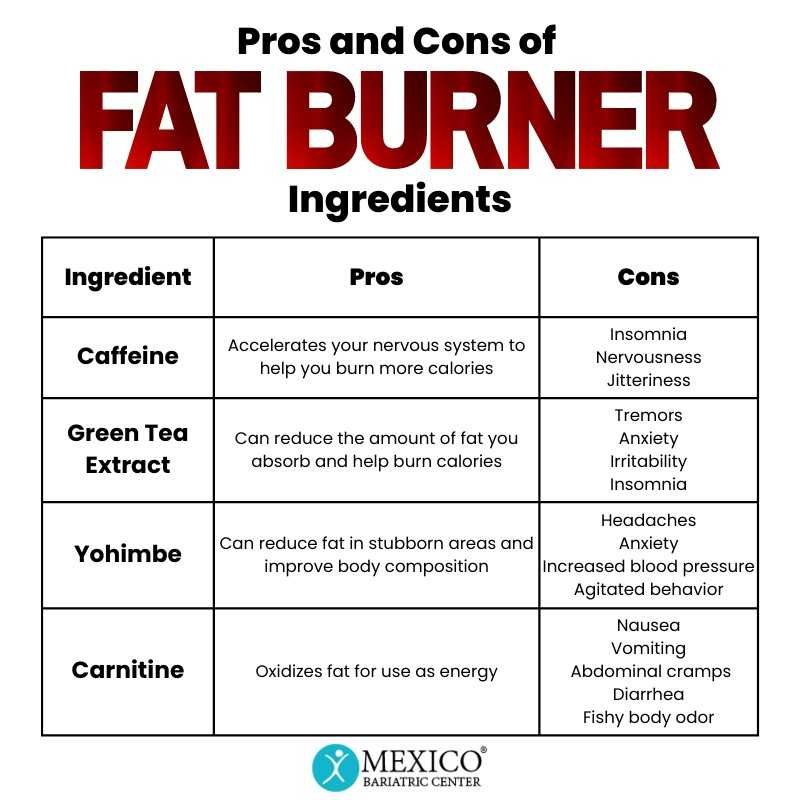
Fat burners work by boosting your metabolism, increasing energy expenditure, and promoting fat breakdown. They often contain ingredients like caffeine, green tea extract, or thermogenic compounds that help accelerate calorie burning and curb appetite. While not magic pills, when combined with a healthy diet and exercise, fat burners can give your weight loss efforts a helpful boost.
Fat burners are popular supplements for those looking to shed pounds more efficiently. They act by stimulating your body’s natural fat-burning processes, making it easier to lose weight and improve body composition. However, understanding how they work and using them responsibly is key to achieving the best results. In this article, we’ll explore the science behind fat burners, what ingredients to look for, and how they can fit into your weight management plan.

How Fat Burners Work
Fat burners are popular supplements that many people turn to when trying to shed extra pounds. They work by influencing the body’s fat metabolism and energy levels. Understanding how they operate can help you decide if they are right for your weight loss journey.
What Are Fat Burners?
Fat burners are dietary supplements designed to boost metabolism and increase fat burning during exercise and daily activities. They often contain natural ingredients or chemicals that stimulate the body’s fat breakdown processes. People use them alongside diet and exercise to support their weight loss goals.
Key Mechanisms of How Fat Burners Work
Fat burners operate through several main mechanisms. These include increasing metabolism, suppressing appetite, boosting energy levels, and enhancing fat oxidation. By combining these effects, they aim to help you burn more calories and reduce fat stores effectively.
Increasing Metabolic Rate
Many fat burners work by speeding up your metabolic rate. A faster metabolism means your body burns calories more quickly, even at rest. Ingredients like caffeine and green tea extract are common for this purpose.
How Metabolism Affects Fat Loss
Metabolism is the process your body uses to convert food into energy. When it is elevated, more calories are burned throughout the day. This creates a calorie deficit, which is essential for losing weight.
Ingredients That Boost Metabolism
- Caffeine: A stimulant that increases alertness and burns more calories.
- Green Tea Extract: Contains catechins that may help boost fat oxidation.
- Capsaicin: Found in chili peppers and can temporarily increase metabolic rate.
Appetite Suppression
Many fat burners include ingredients that help curb hunger. This reduces calorie intake, making it easier to stick to a calorie-controlled diet. Common appetite suppressants include fiber and certain herbal extracts.
How Appetite Suppressants Help
By decreasing feelings of hunger, fat burners help prevent overeating and snacking between meals. This supports a calorie deficit necessary for fat loss.
Popular Appetite Suppressants
- Garcinia Cambogia: Contains hydroxycitric acid that may lower appetite.
- Glucomannan: A fiber that expands in the stomach to create fullness.
- Green Coffee Bean Extract: Contains chlorogenic acids thought to regulate blood sugar and appetite.
Enhancing Fat Oxidation
Fat burners often aim to promote fat oxidation, where stored fat is broken down for energy. This process involves increasing the activity of enzymes responsible for burning fat.
The Role of Lipolysis
Lipolysis is the breakdown of triglycerides in fat cells into glycerol and free fatty acids. Fat burners may activate this process, making fatty acids available for energy use.
Ingredients Supporting Fat Oxidation
- Carnitine: Transports fatty acids into the mitochondria where they are burned for energy.
- Conjugated Linoleic Acid: May promote fat breakdown and inhibit fat storage.
- Synephrine: A stimulant that can increase fat oxidation during workouts.
Boosting Energy and Performance
Many fat burners contain stimulants that enhance energy levels. Increased energy can improve workout intensity and duration, leading to more calories burned.
How Increased Energy Contributes to Fat Loss
With more energy, you can exercise longer and more intensely. This results in higher calorie expenditure and better fat-burning outcomes.
Common Energy-Boosting Ingredients
- Caffeine: The most widely used stimulant for energy and alertness.
- Yerba Mate: Provides a natural energy boost and may aid fat loss.
- Guarana: Contains high levels of caffeine and helps sustain energy levels.
Thermogenesis and Fat Burning
Thermogenesis is the process of heat production in the body, which burns calories. Some fat burners stimulate thermogenic processes, increasing overall energy expenditure.
How Thermogenic Agents Work
These agents heat up the body, leading to increased calorie burning. This is often achieved with ingredients like caffeine and capsaicin.
Benefits of Thermogenic Fat Burners
- Enhanced calorie burning during rest and activity
- Potential suppression of appetite
- Increased body temperature and metabolic rate
Additional Supportive Ingredients
Some fat burners include vitamins, minerals, and antioxidants to support overall health. These can help reduce oxidative stress and improve energy metabolism.
Common Supportive Components
- Vitamin B6 and B12: Support energy production and metabolic function.
- Chromium: Helps regulate blood sugar and reduce cravings.
- L-Carnitine: Assists in transporting fats for energy use.
Usage and Effectiveness
While fat burners can enhance weight loss efforts, they work best when combined with a healthy diet and regular exercise. Effectiveness varies depending on individual factors and product quality.
Important Considerations
- Follow dosage instructions carefully to avoid side effects.
- Consult with a healthcare professional before starting any new supplement.
- Be aware of possible side effects, especially from stimulant ingredients.
Potential Side Effects and Risks
Some fat burners may cause side effects like increased heart rate, jitters, or gastrointestinal discomfort. High doses of stimulants can lead to more serious health issues.
Who Should Avoid Fat Burners?
- Pregnant or breastfeeding women
- Individuals with heart conditions or hypertension
- People sensitive to caffeine or stimulants
The Bottom Line
Fat burners influence fat loss by increasing metabolism, suppressing appetite, boosting energy, and promoting fat oxidation. When used responsibly as part of a balanced weight loss plan, they can support your efforts. Always choose reputable products and consult professionals to ensure safe use.
How Do Fat Burners Work?
Frequently Asked Questions
What role do appetite suppressants in fat burners play in weight loss?
Appetite suppressants help control hunger by influencing brain signals that trigger the feeling of fullness. When these signals are enhanced, they reduce the desire to eat, making it easier to adhere to a calorie-controlled diet. This decrease in food intake supports fat burning and overall weight loss efforts.
How do thermogenic ingredients increase calorie expenditure?
Thermogenic compounds stimulate your body’s heat production, which requires additional energy. This process boosts your metabolic rate, leading to increased calorie burn even when you are resting. As a result, it helps create a calorie deficit necessary for losing body fat.
In what way do fat burners influence the body’s fat breakdown process?
Fat burners contain ingredients that activate enzymes responsible for breaking down stored fat into fatty acids. These fatty acids then become available for energy use during physical activity, aiding in the reduction of fat reserves and improving body composition.
Can fat burners improve energy levels during workouts?
Yes, many fat burners include ingredients that provide an energy boost. This increased energy can enhance workout performance and endurance, allowing you to exercise more effectively and burn more calories, which complements your weight loss goals.
How do certain compounds in fat burners affect fat absorption?
Some fat burners contain ingredients that inhibit the absorption of dietary fats in the digestive system. By reducing the amount of fat entering the bloodstream, these compounds help prevent fat accumulation, supporting overall weight management alongside other fat-burning mechanisms.
Final Thoughts
Fat burners work by increasing metabolism, helping the body to burn calories more efficiently. They often contain ingredients that boost energy levels, making exercise easier and more effective. Additionally, fat burners can suppress appetite, reducing calorie intake. Understanding how fat burners work helps users set realistic expectations and use them safely.
As an Amazon Associate, We earn from qualifying purchases. When you purchase a product through Amazon links on pulsefitguide.com, we may earn a small commission at no extra cost to you. This helps support the site and keep our content free.