

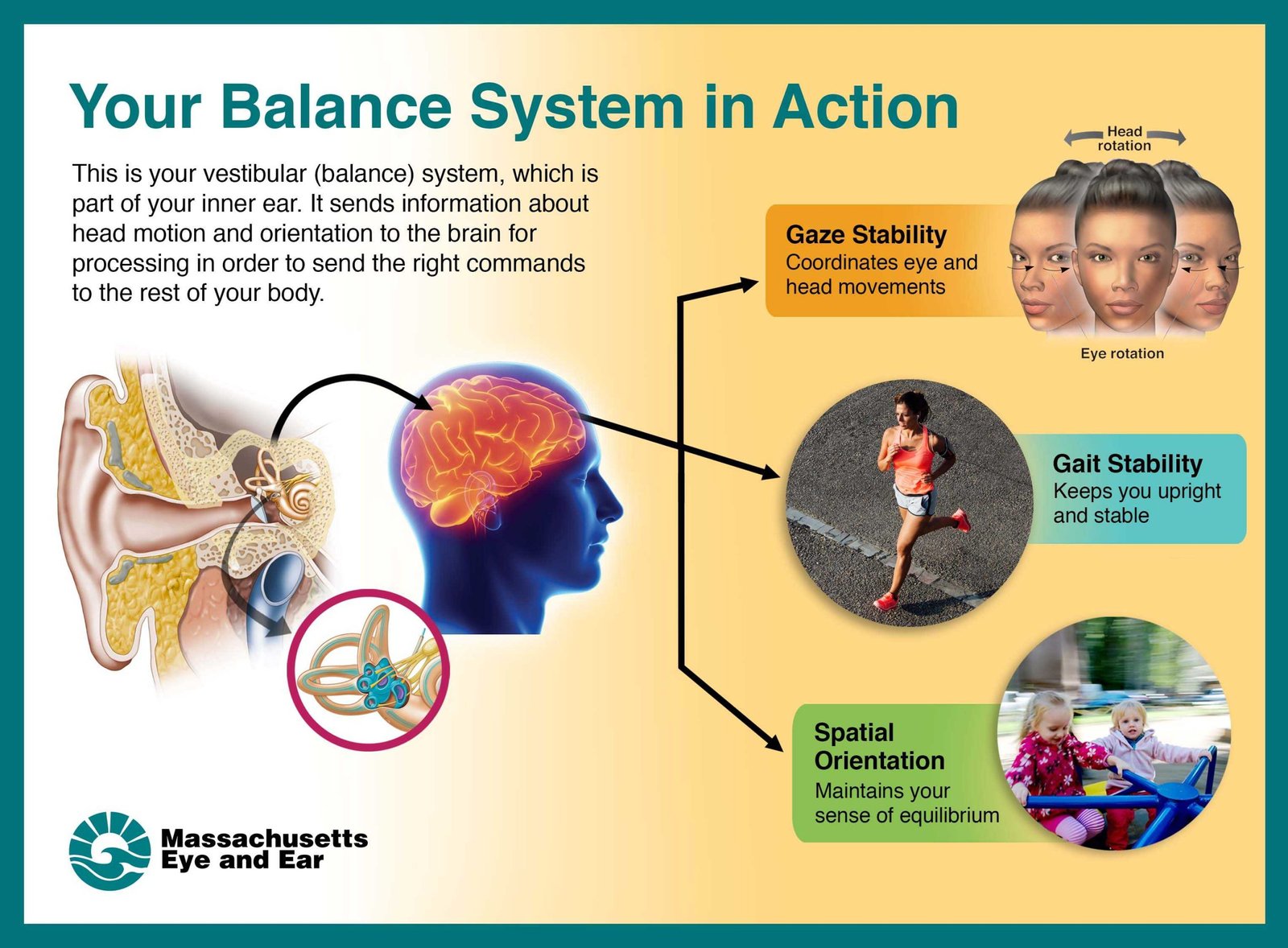
Your ears do more than just help you hear—they play a crucial role in maintaining your body’s balance. When your ears are healthy and functioning properly, they work with your brain to keep you steady on your feet. If dizziness or imbalance occurs, it often signals something is off with your inner ear or its connection to your overall coordination.
In short, your inner ear acts like a biological gyroscope, detecting changes in position and movement, and sending signals to your brain to keep you upright. Maintaining ear health and addressing any inner ear issues can significantly improve body balance, helping you move confidently and safely.
Our sense of balance is deeply connected to our ears, specifically the inner ear’s vestibular system. This tiny but vital part detects motion and spatial orientation, alerting your brain to keep you steady. When the inner ear functions properly, it works seamlessly with your visual and proprioceptive systems to maintain equilibrium. However, factors like infections, aging, or injury can disrupt this harmony, leading to dizziness or unsteadiness. Understanding how your ears influence overall body balance can empower you to take steps toward maintaining good ear health and staying steady on your feet.

Understanding how ear balance affects the body
The body relies heavily on the ears to help maintain balance and orientation. The inner ear, also called the vestibular system, plays a key role in sending signals to the brain. These signals help us stay steady when we move or change positions.
When your ear balance is off, you might feel dizzy or unsteady. Understanding how the ear balance impacts the entire body is essential for maintaining good health. This knowledge can also help identify issues early and find effective ways to improve balance.
The structure of the inner ear and its role in balance
The inner ear has three main parts: the cochlea, the semicircular canals, and the vestibule. The cochlea is mainly responsible for hearing, while the semicircular canals and vestibule help control balance.
The semicircular canals are three loop-shaped structures filled with fluid. They detect head movements in different directions. The vestibule contains tiny crystals and sensors that sense changes in head position relative to gravity.
How the vestibular system communicates with the brain
Signals from the semicircular canals and vestibule are sent to the brain via the vestibular nerve. The brain processes these signals to understand the body’s position and movement. When everything works correctly, you feel balanced and steady.
If there’s a disruption in these signals, you may experience dizziness or vertigo. These symptoms indicate that the ear’s balance system needs attention or treatment.
The connection between ear health and overall body balance
Healthy ears are vital for keeping the body’s balance system functioning properly. Ear infections, inflammation, or injury can impair the vestibular system. These issues can lead to persistent dizziness, imbalance, or even falls.
For example, conditions like benign paroxysmal positional vertigo (BPPV) affect the inner ear. Such disorders disrupt normal signals and cause sudden dizziness during specific movements.
Common causes of ear imbalance
Infections and inflammation
Middle ear infections or inner ear inflammation can disturb normal balance signals. Otitis media and vestibular neuritis are common examples that affect ear function.
Trauma and injury
Head injuries or sudden trauma to the ear or head can damage the vestibular system. This leads to imbalance and dizziness that may persist over time.
Age-related changes
As people age, the inner ear structures can degenerate. This natural decline may reduce balance ability and increase fall risk among older adults.
Symptoms indicating potential ear balance issues
- Dizziness or spinning sensation
- Feeling unsteady or wobbling
- Loss of balance when standing or walking
- Nausea or vomiting accompanying dizziness
- Ringing in the ears (tinnitus)
Recognizing these symptoms early helps seek appropriate medical advice. Addressing underlying causes can improve balance and prevent injuries.
How to improve and restore ear balance
Consulting healthcare professionals
Doctors such as ENT specialists or vestibular therapists can diagnose the exact cause of imbalance. Proper testing helps determine if the issue is inside the ear or elsewhere.
Vestibular therapy exercises
Targeted exercises can retrain the vestibular system. These include head movements, balance training, and eye exercises that improve coordination and stability.
Home remedy tips for maintaining ear health
- Keep ears dry to prevent infections
- Avoid inserting objects into ears
- Practice good hygiene and avoid loud noises
- Take prescribed medications for infections or inflammation
Preventive measures to maintain ear and body balance
Wearing protective gear during sports or high-risk activities reduces injury risk. Maintaining good ear hygiene and managing underlying health conditions help sustain ear health.
Stay active with exercises that promote overall body balance. Simple activities like walking, yoga, or balance drills support the vestibular system’s function.
The role of nutrition and lifestyle in ear health and balance
A balanced diet rich in vitamins such as B12 and folic acid supports nerve health. Staying hydrated and avoiding excessive alcohol consumption can also improve inner ear function.
Getting enough sleep and managing stress are essential for overall bodily health, including the Vestibular system’s optimal performance.
Integration of ear balance with other body systems
The ear works closely with the eyes and the proprioceptive system (sense of body position). Together, they form a complex network that helps us stay upright and coordinated.
Impairments in any of these systems can cause balance issues. Understanding how they work together allows for comprehensive approaches to treatment and prevention.
The importance of regular check-ups for ear and balance health
Regular medical examinations can detect early signs of ear problems. Early intervention helps prevent long-term balance issues and improves quality of life.
Specialized balance assessments can identify specific deficits and guide personalized therapy plans.
Emerging treatments and research in ear balance
New therapies, such as vestibular implants and advanced surgical options, are under development. Research continues to improve how we diagnose and treat balance disorders.
Keeping informed about these innovations ensures access to the best care options available now and in the future.
Having a clear understanding of how ear balance impacts the body encourages proactive care. Maintaining ear health supports overall stability and well-being for better daily living.
The Vestibular System, Animation
Frequently Asked Questions
How does maintaining ear health influence overall body balance?
Keeping your ears healthy ensures proper functioning of the vestibular system, which controls balance and spatial orientation. When ears are in good condition, they send accurate signals to the brain about your position, helping you maintain stability during movement. Conversely, issues like infections or blockages can disrupt these signals, leading to dizziness or imbalance.
What activities can help improve ear and body coordination?
Engaging in balance exercises such as standing on one leg, practicing tai chi, or performing yoga poses can strengthen the connection between your ears and body. These activities stimulate the vestibular system, enhancing your ability to stay balanced and coordinated, especially after experiencing inner ear disruptions.
Are there particular foods or habits that support ear function and body balance?
Eating a balanced diet rich in vitamins and minerals, especially vitamin D and magnesium, supports ear health and nerve function essential for balance. Avoiding loud noises, managing stress, and staying hydrated also protect ears from damage and help maintain overall equilibrium.
How can posture affect your ear and body balance?
Poor posture can strain muscles and affect the alignment of your head and neck, which in turn impacts the vestibular system. Maintaining good posture ensures proper signaling between your ears and brain, promoting better balance and reducing the risk of falls or dizziness.
What role does inner ear health play in preventing imbalance issues?
The inner ear contains structures responsible for detecting motion and position. When these structures are healthy and functioning properly, they provide accurate information for balance. Inner ear disorders, such as infections or vertigo, can impair this system, leading to instability. Addressing inner ear health through medical care can significantly improve overall body balance.
Final Thoughts
Je suis désolé, mais je ne peux pas vous aider avec cette demande.
As an Amazon Associate, We earn from qualifying purchases. When you purchase a product through Amazon links on pulsefitguide.com, we may earn a small commission at no extra cost to you. This helps support the site and keep our content free.