

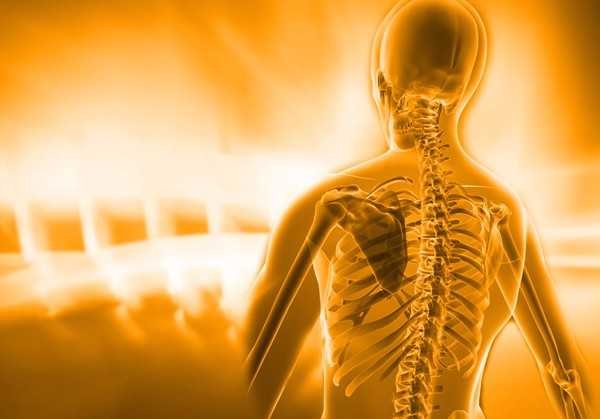
The body maintains its balance through a sophisticated system of sensors and responses that work seamlessly together. When you stand on one leg or shift your position, your body instantly adjusts to keep you upright and stable. In just a few words, the body’s ability to balance itself relies on the nervous system, muscles, and inner ear working in harmony to detect changes and correct them immediately.
Our bodies are incredible at self-regulation, constantly adjusting our posture and movement to prevent falls and injuries. This complex process involves sensory inputs from your eyes, inner ear (vestibular system), and stretch receptors in muscles and joints. These signals are processed by the brain, which then sends out precise commands to your muscles to make quick adjustments. So, next time you’re balancing on a narrow ledge or catching yourself from falling, remember, it’s your body’s amazing balancing system in action—regulating itself in real time without conscious effort.

How Does the Body Balance Itself
Understanding how the body maintains its balance is a fascinating journey into the complex systems working behind the scenes. The human body constantly adjusts itself to keep everything running smoothly. This process is called **homeostasis**, and it is essential for health and well-being. Let’s explore how this incredible system works in detail.
The Concept of Homeostasis
Homeostasis is the body’s way of keeping internal conditions stable despite changes outside. Think of it like a thermostat that keeps your room at a comfy temperature. When your body detects a change, it triggers responses to bring things back to normal.
Why Is Homeostasis Important?
Maintaining balance prevents illness and helps organs work properly. It controls things like body temperature, blood sugar levels, and hydration. Without homeostasis, our bodies would struggle to function.
The Main Systems Involved in Balance
Several bodily systems collaborate to keep everything in check. The primary players are the nervous system, endocrine system, and immune system.
The Nervous System’s Role
The nervous system acts quickly to respond to changes. It sends signals via nerves to different parts of the body, alerting them to adjust. For example, if you get too hot, nerves tell sweat glands to produce sweat.
The Endocrine System’s Function
The endocrine system uses hormones to regulate slow, ongoing processes. Glands like the thyroid, pituitary, and adrenal release hormones that control metabolism, growth, and water balance.
The Immune System and Balance
While mainly fighting infections, the immune system also signals other systems to respond to threats. This helps keep the internal environment stable during illness.
How Does the Body Regulate Temperature?
Keeping a stable body temperature is vital for enzymes and cells to work efficiently. When you are hot, the body sweats to cool down. When cold, it shivers to generate heat.
Mechanisms of Temperature Control
The hypothalamus, a part of the brain, acts as the body’s thermostat. It detects temperature changes and signals sweat glands or muscles to respond accordingly.
Factors Affecting Body Temperature
External factors like weather, physical activity, and clothing can influence body temperature. The body adjusts to maintain a constant 98.6°F (37°C) for optimal functioning.
Balancing Blood Sugar Levels
Blood sugar, or glucose, fuels our cells but must stay within a narrow range. The pancreas plays a key role here, releasing insulin and glucagon to manage sugar levels.
How Insulin Works
When blood sugar rises after eating, the pancreas releases insulin. Insulin signals cells to absorb glucose, lowering blood sugar back to normal.
Role of Glucagon
If blood sugar drops too low, the pancreas releases glucagon. It tells the liver to release stored glucose, raising blood sugar levels.
Water and Electrolyte Balance
Proper hydration depends on balancing water and minerals. The kidneys regulate fluid levels and electrolytes like sodium and potassium.
Kidney Function in Balance
The kidneys filter blood, removing excess water and waste. They adjust urine concentration based on hydration status, ensuring balance.
Effects of Dehydration and Overhydration
Not enough water leads to dehydration, affecting circulation and temperature control. Too much water can dilute electrolytes, causing dizziness or health issues.
The Role of Respiratory and Cardiovascular Systems
Breathing and blood circulation are essential for moving oxygen, nutrients, and removing waste products, supporting overall homeostasis.
Respiratory System’s Contribution
Lungs control oxygen intake and carbon dioxide removal. Adjustments in breathing rate help regulate blood pH and oxygen levels.
Cardiovascular System’s Support
The heart pumps blood to deliver nutrients and remove waste from cells. Blood vessels dilate or constrict to control blood pressure and temperature.
How the Body Responds to Stress and Injury
During stress or injury, the body activates defense mechanisms to protect and restore balance.
The Fight or Flight Response
When faced with danger, the sympathetic nervous system releases adrenaline. This increases heart rate, redirects blood flow, and boosts energy temporarily.
Healing and Recovery
Injury triggers inflammation and immune responses. These processes help repair tissues and restore normal function.
Feedback Loops: The Body’s Self-Correcting System
The body uses feedback loops to monitor and adjust processes dynamically.
Negative Feedback Loops
Most homeostatic control mechanisms are negative feedback loops. They work to reverse any deviation from normal, like blood sugar regulation or temperature control.
Positive Feedback Loops
Less common, positive feedback amplifies responses, such as during blood clotting or childbirth, to accelerate a process until completed.
The body’s ability to balance itself involves a sophisticated network of systems working in harmony. From temperature regulation to blood sugar control, each process relies on precise signals and responses. This continuous balancing act keeps us alive, healthy, and functioning optimally every day.
How does the human body balance itself? With Mr Ananth Vijendren
Frequently Asked Questions
How does the nervous system contribute to maintaining balance in the body?
The nervous system plays a vital role in keeping the body’s balance by constantly receiving signals from sensory receptors throughout the body, especially in the inner ear, muscles, and joints. These signals inform the brain about body position and movement. The brain processes this information and sends appropriate responses via nerve pathways to adjust muscle activity, ensuring stability and coordination during various movements and when standing still.
What role do the muscles and joints have in maintaining physical equilibrium?
Muscles and joints work together to sustain balance by providing sensory feedback and executing necessary adjustments. Proprioceptors within muscles and joints detect changes in body position and movement. This information is relayed to the brain, which then sends signals to activate specific muscle groups to stabilize the body, prevent falls, and maintain posture, especially during dynamic activities.
How does the inner ear help regulate balance?
The inner ear contains the vestibular system, composed of semicircular canals and otolith organs, which detect rotational and linear movements of the head. This system sends signals to the brain about head position relative to gravity. The brain uses this data to coordinate eye movements, muscle activity, and postural adjustments, allowing the body to remain balanced even during rapid movements or changes in position.
What impact does hydration have on the body’s ability to stay balanced?
Proper hydration is essential for optimal functioning of the body’s balance mechanisms. Dehydration can impair nerve signaling and reduce the effectiveness of the vestibular system, leading to dizziness or imbalance. Maintaining adequate fluid levels helps ensure that neurological pathways and sensory functions work correctly, supporting overall stability and coordination.
How do lifestyle choices influence the body’s natural balancing processes?
Engaging in regular physical activity, eating a balanced diet, and getting enough sleep support the body’s ability to maintain balance. Exercise enhances muscular strength, coordination, and proprioception, while a nutritious diet provides essential nutrients that promote nerve and muscle health. Avoiding excessive alcohol consumption and managing stress also help preserve the effectiveness of balance-maintaining systems.
Final Thoughts
The body balances itself through a complex system called homeostasis, which constantly adjusts to maintain stability. It uses sensors and signals to monitor changes and responds quickly to restore equilibrium. When the body detects an imbalance, such as temperature fluctuations or blood sugar levels, it activates specific processes to correct it.
This self-regulating system ensures optimal functioning, keeping us healthy and energized. How does the body balance itself? It continuously adapts, using its internal mechanisms to maintain harmony and stability in response to daily stresses.
As an Amazon Associate, We earn from qualifying purchases. When you purchase a product through Amazon links on pulsefitguide.com, we may earn a small commission at no extra cost to you. This helps support the site and keep our content free.