

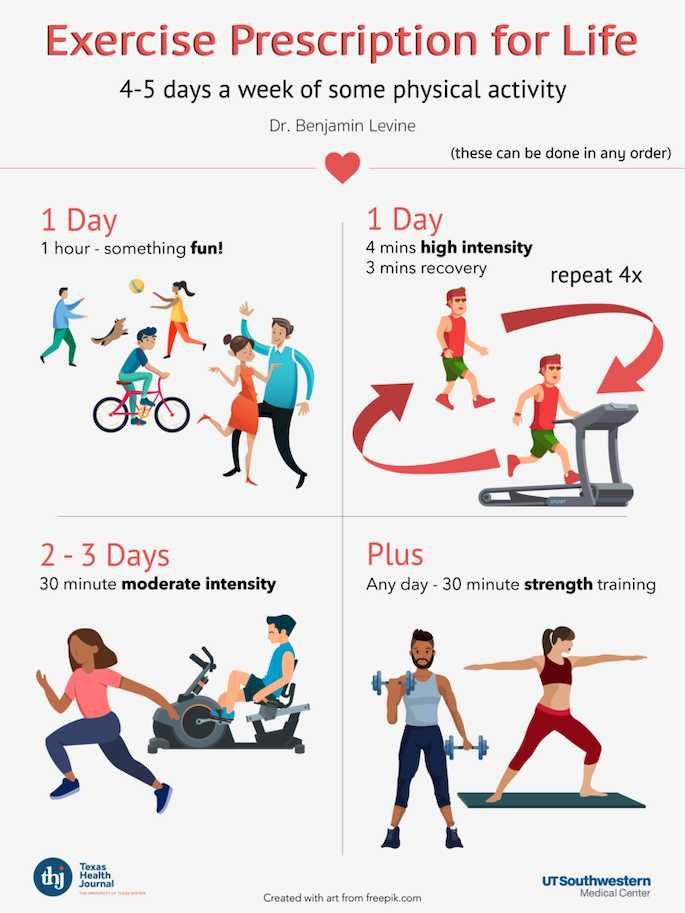
Engaging in cardio exercises is like giving your heart a boost that keeps it strong and healthy. Regular cardio workouts improve your heart’s efficiency, strengthen its muscles, and reduce the risk of cardiovascular diseases. The more you move, the better your heart performs, helping you feel energetic and alive.
Cardio exercise helps your heart by increasing blood flow, lowering blood pressure, and strengthening the heart muscle, making it more resilient over time. It’s an effective way to keep your cardiovascular system in top shape and prevent health issues down the line.
Keeping your heart healthy is essential, and cardio is a powerful tool to achieve that. From running and cycling to swimming or brisk walking, incorporating regular cardiovascular activity into your routine can make all the difference. Not only does it boost your heart’s efficiency, but it also improves overall well-being, giving you more energy and a better quality of life. So, if you’re looking to protect and strengthen your heart, cardio exercises should definitely be part of your daily habits.

How Does Cardio Help Your Heart
Cardio exercises are actions that increase your heart rate and help improve your overall heart health. Engaging in activities like walking, running, cycling, or swimming regularly can make your heart stronger. These exercises are important because they support circulation and help prevent heart-related diseases.
Understanding Heart Function and Cardio
The heart is a muscular organ that pumps blood throughout your body. It supplies oxygen and nutrients to tissues and removes waste products. Cardio workouts make your heart pump more efficiently, which benefits your entire body.
When you do cardio, your heart rate increases, causing your heart to work harder. Over time, this strengthening process improves how your heart handles blood flow. A healthy heart can pump more blood with less effort, leading to better overall health.
How Cardio Improves Heart Capacity
Regular cardio exercises increase your heart’s ability to pump blood. This means the heart becomes more efficient, which is called improving cardiac output. A stronger heart can supply oxygen-rich blood to your muscles and organs more effectively.
As your stamina builds, you can exercise longer and harder without feeling fatigued. This improved capacity helps you perform daily activities better and reduces the risk of heart problems.
Lowering Blood Pressure Through Cardio
High blood pressure is a common risk factor for heart disease. Cardio exercises help lower blood pressure by making blood vessels more flexible. When arteries are healthier, blood flows easily, reducing strain on the heart.
Studies show that doing moderate-intensity cardio can decrease systolic and diastolic blood pressure over time. Consistent cardio routines can prevent hypertension and its related complications.
Reducing Bad Cholesterol and Increasing Good Cholesterol
Cholesterol levels significantly affect heart health. Cardio workouts help reduce low-density lipoprotein (LDL), known as bad cholesterol, which can clog arteries. At the same time, they increase high-density lipoprotein (HDL), the good cholesterol that carries harmful fats away from the heart.
This balance keeps arteries clear and prevents atherosclerosis, a condition that narrows arteries and raises the risk of heart attacks.
How to Maximize Cholesterol Benefits
- Engage in at least 150 minutes of moderate-intensity cardio weekly
- Mix different activities like brisk walking, cycling, or swimming
- Maintain a healthy diet rich in fruits, vegetables, and whole grains
Controlling Blood Sugar with Cardio
High blood sugar levels can damage blood vessels and nerves that control the heart. Regular cardio exercises help regulate blood sugar by improving insulin sensitivity. This means your body uses insulin more effectively.
By controlling blood sugar, cardio reduces the risk of diabetes, which is a major risk factor for heart disease. It also helps prevent complications related to blood vessel damage.
Weight Management and Heart Health
Carrying excess weight puts extra strain on your heart. Cardio workouts burn calories and help you maintain a healthy weight. Losing even a small amount of weight can have a positive impact on blood pressure, cholesterol, and overall heart health.
Combining cardio with a balanced diet creates a healthier body and reduces the chances of developing heart disease in the future.
Reducing Stress and Improving Heart Well-being
High stress levels can lead to increased blood pressure and heart rate. Cardio exercises release endorphins, which are natural mood boosters. Regular activity reduces stress hormones, calming your nervous system.
This mental health benefit also lowers the risk of heart-related issues caused by chronic stress, making cardio a good choice for both body and mind.
Building a Consistent Cardio Routine
Starting with manageable sessions, such as 20 to 30 minutes, helps build a habit. As fitness improves, you can gradually increase duration and intensity. Consistency is key to reaping heart health benefits.
Mixing different cardio activities can prevent boredom and target various muscle groups, making workouts more enjoyable and sustainable.
Monitoring Heart Health During Cardio
Using a heart rate monitor helps you stay within your target zone during exercise. This zone is usually 50 to 70 percent of your maximum heart rate for moderate activity. Staying in this range maximizes benefits and avoids overexertion.
Consulting a healthcare professional before starting a new routine ensures you choose safe activities tailored to your health condition.
Additional Tips for Effective Cardio Workouts
- Warm-up properly to prepare your body and prevent injuries
- Stay hydrated before, during, and after exercise
- Wear comfortable, supportive shoes suitable for your activity
- Include rest days to allow your body to recover
- Pair cardio with strength training for optimal heart health
Related Topics to Explore
- Healthy eating habits for better heart protection
- The importance of regular health screenings
- How stress management improves cardiovascular health
- The role of sleep in maintaining a healthy heart
Overall, engaging in regular cardio exercise is one of the most effective ways to support your heart. By strengthening your heart muscle, improving circulation, and maintaining healthy blood pressure and cholesterol levels, cardio contributes to a longer, healthier life. Remember, even small, consistent efforts can make a big difference in your heart health journey.
Frequently Asked Questions
How does regular cardio improve the efficiency of your heart?
Engaging in consistent cardiovascular activity strengthens the heart muscle, allowing it to pump blood more effectively. This increased efficiency means your heart can circulate oxygen and nutrients to your body with less effort, leading to better overall cardiovascular health and reduced fatigue during daily activities.
In what ways does cardio training help lower blood pressure?
Cardio workouts help improve the elasticity of arteries and blood vessels, which reduces resistance to blood flow. Over time, this leads to a decrease in blood pressure levels. Lower blood pressure reduces strain on the heart and reduces the risk of developing hypertension-related complications.
How does cardio exercise contribute to reducing the risk of heart disease?
Cardio exercise raises good cholesterol levels and decreases bad cholesterol, preventing plaque buildup in arteries. It also helps maintain a healthy weight and controls blood sugar levels. These effects collectively reduce the likelihood of heart disease and improve overall heart health.
What impact does cardio have on your heart’s recovery after exertion?
Cardio training enhances your heart’s ability to recover quickly after physical activity. A well-conditioned heart lowers resting heart rate and reduces recovery time, which indicates improved cardiovascular fitness and a healthier heart capable of handling daily stresses more effectively.
How does consistent cardio help prevent future cardiac events?
Regular cardio sessions strengthen the heart and improve blood circulation, which decreases the chances of blockages and blood clots forming. This proactive approach helps prevent heart attacks and other cardiac events by promoting healthier arteries and better overall heart function.
Final Thoughts
Cardio exercises strengthen the heart muscle, making it more efficient at pumping blood. This improved function helps lower blood pressure and reduces the risk of heart disease. Additionally, cardio enhances circulation, ensuring vital nutrients reach all parts of the body.
Regular cardio activity also helps manage weight and controls cholesterol levels, further protecting your heart. Staying active keeps the heart strong and resilient against health issues.
How does cardio help your heart? It boosts cardiovascular health, improves circulation, and reduces risks, keeping your heart functioning optimally.
As an Amazon Associate, We earn from qualifying purchases. When you purchase a product through Amazon links on pulsefitguide.com, we may earn a small commission at no extra cost to you. This helps support the site and keep our content free.