

The body maintains its pH balance through a finely tuned system that constantly works behind the scenes. When your body’s pH gets too acidic or too alkaline, it can lead to health issues, but thankfully, your body has mechanisms to keep this in check.
In short, the body regulates pH primarily through buffer systems, the lungs, and the kidneys, which work together to keep your blood’s pH around 7.35-7.45. These processes neutralize excess acids or bases, ensuring your blood remains in a healthy range essential for all bodily functions.
Immediately, the body balances pH by using buffer systems that neutralize acids or bases, and by adjusting breathing and kidney activity to remove excess hydrogen ions or bicarbonate. This dynamic system keeps your internal environment stable and your vital processes running smoothly.
Maintaining the right pH level is crucial because it influences everything from enzyme function to oxygen transport. Your body constantly monitors and adjusts its pH through various mechanisms to stay within a narrow, healthy range. This balance is vital for overall health, and understanding how it works can help you make better choices to support your body’s natural regulation.

How Does Body Balance pH?
The concept of pH balance in the body is crucial for overall health and well-being. It refers to how acidic or alkaline your body’s fluids and tissues are. Understanding how your body maintains this delicate balance can help you make healthier choices and prevent illness. Let’s explore how your body keeps its pH levels in the right range and what factors can influence this process.
What Is pH and Why Is It Important?
pH stands for “potential of hydrogen” and measures how acidic or alkaline a substance is. The scale runs from 0 to 14, with 7 being neutral. Values below 7 indicate acidity, while those above 7 show alkalinity. Maintaining a proper pH balance is vital because it affects enzyme activity, hormone function, and all cellular processes.
In the body, different fluids have specific pH levels. For instance, blood is tightly regulated to stay around 7.4, which is slightly alkaline. Deviations from this range can lead to health issues like acidosis or alkalosis.
The Body’s Natural pH Regulation Systems
Your body has several systems designed to keep pH levels within a narrow, healthy range. These include the buffer systems, the respiratory system, and the kidneys.
Buffer Systems
Buffers are chemicals that neutralize excess acids or bases. The primary buffer in blood is the bicarbonate system. When blood becomes too acidic, bicarbonate ions react with hydrogen ions to reduce acidity. Similarly, if blood is too alkaline, other buffer systems work to restore balance.
This buffering process is rapid, helping maintain pH stability even when foods or stress alter acid or base levels.
Role of the Respiratory System
The lungs help regulate pH by controlling the amount of carbon dioxide (CO2) in the blood. Since CO2 reacts with water in the blood to form carbonic acid, breathing faster removes more CO2, reducing acidity. Conversely, slowing down breathing retains CO2, which can increase acidity.
This respiratory response is quick but works alongside other systems to keep pH steady.
Kidneys and pH Balance
The kidneys play a long-term role in maintaining pH by excreting excess acids or bases through urine. They also reabsorb bicarbonate from urine back into the bloodstream. This process takes hours to days but is essential for sustained pH regulation.
Healthy kidney function is vital for balancing pH, especially when the diet or other factors cause persistent changes.
Factors Affecting Body pH
Several factors can disturb the body’s pH balance, leading to either acidity or alkalinity. These include diet, lifestyle habits, health conditions, and environmental influences.
Diet and Nutrition
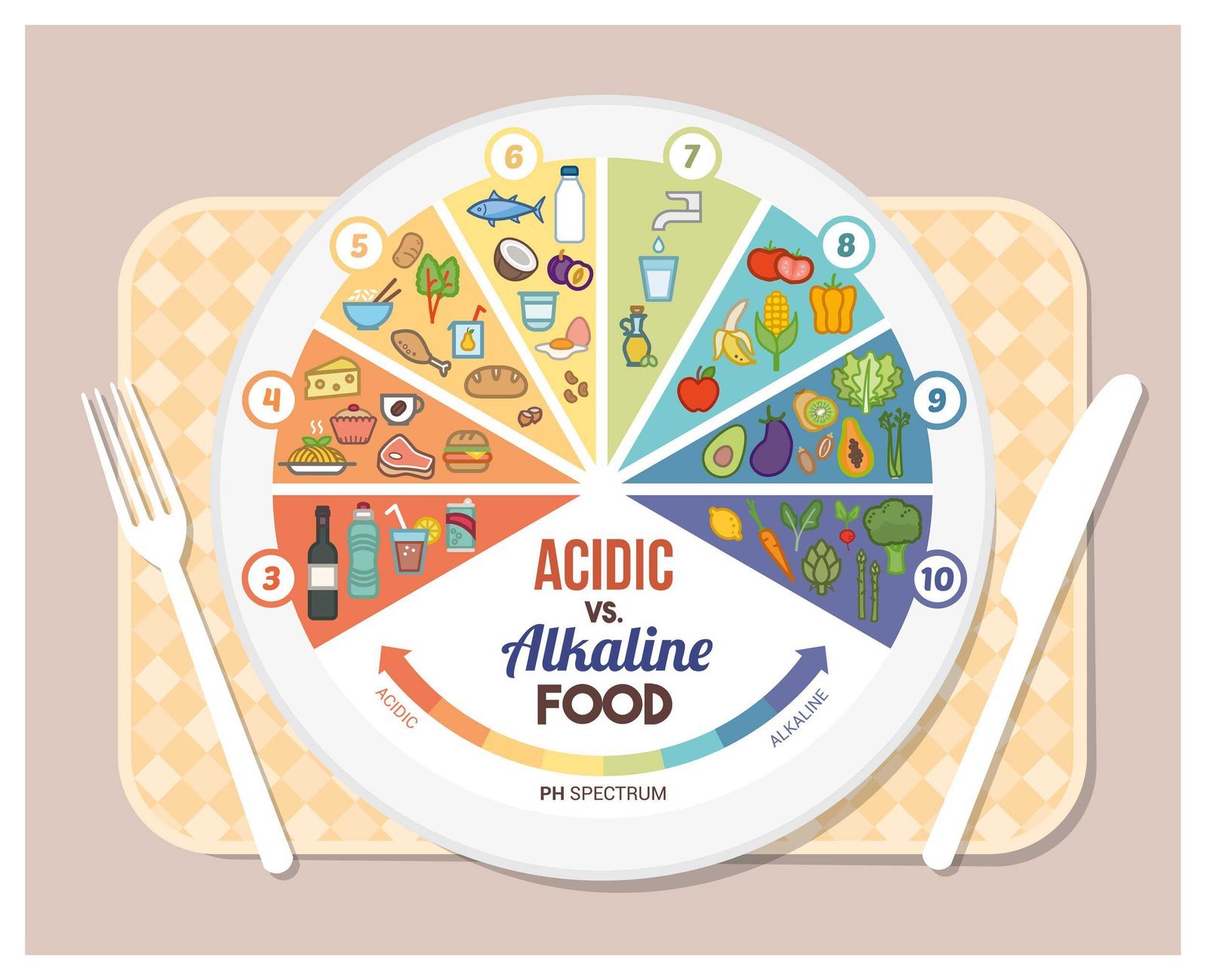
Foods impact pH levels because some produce acids while others create alkaline residues after digestion. For example, processed foods, sugar, dairy, and meats tend to be acid-forming. Conversely, fruits, vegetables, and plant-based foods are generally alkaline-forming.
Eating a balanced diet rich in fruits and vegetables can support a healthy pH balance and overall health.
Hydration and Fluid Intake
Proper hydration helps kidneys eliminate excess acids and maintains pH stability. Drinking enough water supports the body’s natural buffering mechanisms.
Dehydration can impair these processes, leading to imbalances in pH levels over time.
Stress and Lifestyle
Chronic stress can increase acid production in the body due to elevated cortisol and adrenaline levels. Lack of sleep and physical inactivity may also contribute to pH imbalance.
Practicing relaxation techniques and regular exercise can help maintain proper pH levels.
Health Conditions and Medications
Conditions like kidney disease, respiratory issues, and metabolic disorders can disrupt pH regulation. Certain medications, such as diuretics or antacids, can influence acidity and alkalinity.
Monitoring these factors with healthcare providers can prevent serious pH-related health problems.
How to Support Your Body’s pH Balance
Adopting healthy habits can help your body maintain optimal pH levels. Here are some effective strategies:
Eat a Balanced Diet
- Include plenty of fruits and vegetables.
- Limit processed foods high in sugar, salt, and preservatives.
- Choose whole grains, nuts, and seeds for added nutrients.
Stay Well-Hydrated
Drink enough water daily to support kidney function and the body’s natural buffering systems. Incorporate herbal teas and fresh fruit juices when appropriate.
Manage Stress Effectively
Engage in relaxation techniques such as meditation or yoga. Regular physical activity also promotes a balanced pH by reducing stress hormones.
Limit Exposure to Toxins
Avoid smoking, excessive alcohol, and environmental pollutants that can impair pH regulation and overall health.
Regular Health Check-Ups
Consult healthcare providers to monitor kidney function and any underlying conditions that affect pH balance.
Additional Topics Related to pH Balance
Understanding your body’s pH isn’t just about diet. It also connects to other areas like:
- Detoxification and liver health
- Role of supplements such as magnesium and potassium
- Impact of exercise on acid-base balance
- The relationship between pH and immune function
Detoxifying and Supporting Liver Function
The liver helps remove toxins that can throw off pH balance. Eating antioxidant-rich foods supports detoxification processes.
Importance of Minerals
Minerals like magnesium, potassium, and calcium play key roles in buffering acids and maintaining pH levels.
Including foods rich in these minerals can support overall pH health.
Exercise and pH Balance
Physical activity generates acids, but regular moderate exercise improves circulation and assists in clearing waste products.
A balanced workout routine supports overall acid-base health.
pH and Immune System
A proper pH level helps immune cells function optimally, defending the body against infections and diseases.
Maintaining balance supports better health and faster recovery.
In summary, your body actively works to keep its pH in a narrow, healthy range through multiple systems. Diet, hydration, stress management, and health habits all contribute to this delicate balance. Paying attention to these factors helps your body stay balanced, reducing the risk of health issues related to acidity or alkalinity. Understanding how body pH works can empower you to make choices that support your overall health and vitality.
Acid Base Balance, Animation.
Frequently Asked Questions
What substances in the body help regulate pH levels?
The body uses buffer systems, primarily the bicarbonate buffer, to manage pH levels. The kidneys and lungs also play essential roles by excreting hydrogen ions and carbon dioxide, respectively, which helps keep blood pH within a narrow, healthy range.
How does the respiratory system influence blood pH?
The respiratory system affects blood pH by controlling the amount of carbon dioxide in the blood. When carbon dioxide levels rise, it forms carbonic acid, which lowers pH. Breathing faster or deeper helps remove excess CO2, raising pH back to normal levels.
What role do the kidneys play in maintaining pH balance?
The kidneys regulate pH by excreting hydrogen ions and reabsorbing bicarbonate into the bloodstream. This process helps eliminate excess acids and base, ensuring that blood pH remains stable over longer periods.
Can diet influence the body’s pH balance?
Yes, diet can impact pH levels. Consuming more alkaline foods like fruits and vegetables can help maintain a balanced pH, while excessive intake of acidic foods, such as processed meats and sugary beverages, may disrupt the body’s pH regulation.
What are signs of an imbalanced pH in the body?
Signs of pH imbalance include fatigue, shortness of breath, confusion, and irregular heartbeat. Severe imbalances can lead to more serious conditions like acidosis or alkalosis, which require medical attention for proper management.
Final Thoughts
Body maintains its pH balance through a combination of buffers, respiration, and kidney function. These systems quickly neutralize acids and bases to keep the blood’s pH tightly regulated. Proper nutrition and hydration support these processes.
By understanding how the body balances pH, you can better support your health daily. Maintaining this balance is essential for energy, immunity, and overall well-being. Ultimately, how does body balance pH? It relies on a finely tuned interplay of biological systems working together efficiently.
As an Amazon Associate, We earn from qualifying purchases. When you purchase a product through Amazon links on pulsefitguide.com, we may earn a small commission at no extra cost to you. This helps support the site and keep our content free.