
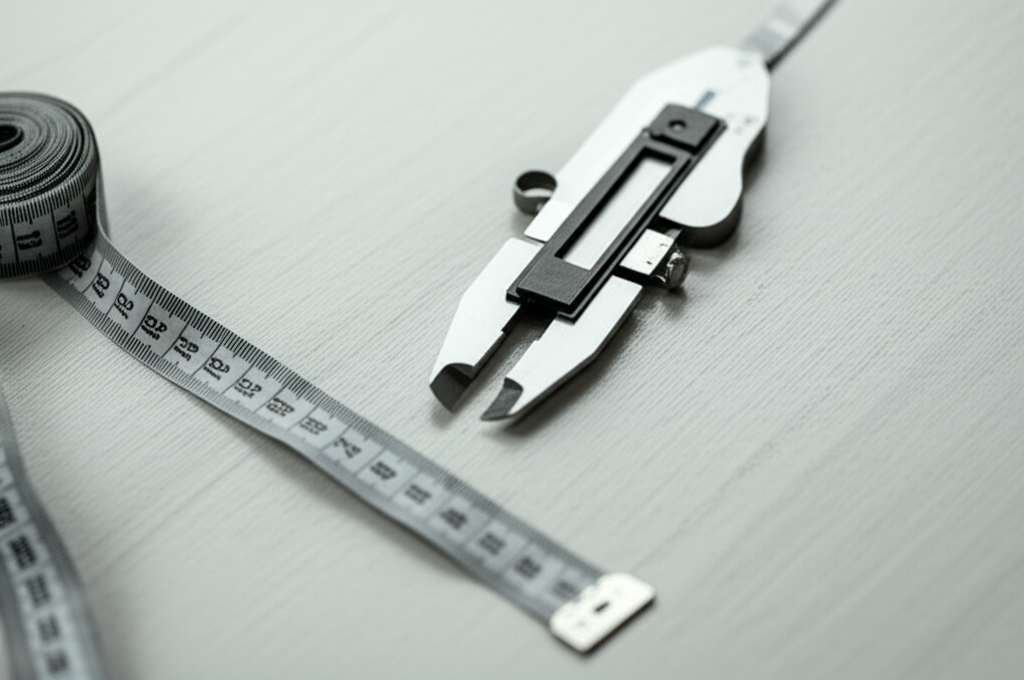
Quick Summary: Losing weight feels amazing! If your clothes are fitting better and you have more energy, it’s likely real fat loss. Quick drops on the scale? That might be water weight, which is totally normal and easy to manage. Keep up the great work!
Hey there! Feeling a little unsure about what’s happening on the scale or with your clothes? It’s super common to wonder if that number dropping is actually fat melting away or just a temporary water shift. Don’t worry, we’re going to break it down in a way that makes total sense. You’re doing great just by paying attention to your body and your progress!
Think of this as your friendly guide to understanding your body’s amazing changes. We’ll make it simple, fun, and totally doable. Get ready to feel more confident and in tune with your fitness journey!
What’s the Difference Anyway?
Okay, let’s chat about fat loss versus water weight. It’s like the difference between a steady, long-term friend and a visitor who pops in for a bit. Fat loss is when your body is using stored fat for energy. This is the kind of weight loss that makes lasting changes to your body shape and your health.

Water weight, on the other hand, is when your body holds onto extra fluid. This can happen for many reasons, and it can make the scale jump up or down pretty quickly. It’s not a bad thing, but it’s not the same as losing actual body fat.
Is It Really Fat Loss? Look for These Signs!
So, how do you know if you’re truly losing fat? It’s all about how you feel and how your body is changing over time. Here are some key signs to look out for:
- Your Clothes Fit Better: This is a big one! Even if the scale doesn’t move much, if your jeans feel looser or your shirts aren’t as snug, that’s a fantastic sign of fat loss. Your body is reshaping!
- You Have More Energy: When you lose body fat, you often feel more energetic and less sluggish. Your body is becoming more efficient, and that’s a huge win.
- Your Body Composition is Changing: You might notice that you look leaner in the mirror. Your muscles might appear more defined. This is a clear indicator that you’re losing fat.
- Your Endurance is Improving: Can you walk a little further without getting tired? Can you lift things more easily? These are all signs that your body is getting stronger and shedding excess fat.
- You Feel Healthier Overall: Beyond the physical changes, you might just feel better from the inside out. This is a sign that your healthy habits are making a real difference.
Why Water Weight Happens
Water weight can be a bit of a curveball. It’s normal and happens to almost everyone. Here’s why you might be holding onto extra water:
- Salty Foods: Eating too much salt can make your body hold onto water to balance things out.
- Carbohydrates: When you eat carbs, your body stores some of them with water. So, if you suddenly increase your carb intake, you might see a temporary weight gain from water.
- Dehydration: Believe it or not, not drinking enough water can actually make your body hold onto the water it has.
- Hormonal Changes: For women, menstrual cycles can cause temporary water retention.
- Intense Workouts: After a really tough workout, your muscles might hold a little extra water as they recover.
- Certain Medications: Some medicines can cause water retention as a side effect.
Spotting the Difference: Quick Clues
Here’s a simple way to think about it. Think of it like this:
| Sign | Likely Fat Loss | Likely Water Weight |
|---|---|---|
| Scale Movement | Slow and steady changes over weeks. | Sudden jumps up or down, often daily. |
| How You Feel | More energy, stronger, better mood. | Maybe feel a bit bloated or sluggish. |
| Clothes Fit | Consistently getting looser. | No significant change in how clothes fit. |
| Diet Changes | Consistent healthy eating. | Recent salty meal, carb splurge, or skipped water. |
How to Encourage REAL Fat Loss
Ready to focus on losing that good old-fashioned fat? It’s all about consistent, healthy habits. Here are some simple tips to get you there:
Move Your Body Every Day!
Getting active is key! You don’t need to run a marathon. Just moving more helps burn calories and build muscle, which speeds up fat loss. Aim for a mix of activities you enjoy.
Awesome Fat-Burning Workouts for Beginners
Here are some ideas to get you started:
- Walking: Brisk walking is fantastic! Aim for 30 minutes most days. It’s easy on your joints and burns calories.
- Jogging/Running: If walking feels easy, try jogging. Start with short intervals of running and walking.
- Cycling: Riding a bike, whether outdoors or on a stationary bike, is a great cardio workout.
- Swimming: A full-body workout that’s gentle on your joints.
- Dancing: Put on your favorite music and dance! It’s a fun way to burn calories.
- Bodyweight Exercises: Squats, lunges, push-ups (even on your knees!), and planks build muscle and burn fat.
Fuel Your Body Right
What you eat plays a huge role. Focus on whole, unprocessed foods that give you energy and keep you feeling full.
Simple, Healthy Meal Ideas
Keep it easy and delicious:
- Breakfast: Oatmeal with berries and nuts, or scrambled eggs with spinach.
- Lunch: A big salad with grilled chicken or beans, or a hearty vegetable soup with whole-grain bread.
- Dinner: Baked salmon with roasted vegetables, or lean turkey stir-fry with brown rice.
- Snacks: An apple with peanut butter, a handful of almonds, or Greek yogurt.
Stay Hydrated!
Drinking enough water is crucial. It helps your body function, boosts your metabolism, and can even help reduce water retention.
How Much Water Should You Drink?
A good starting point is about 8 glasses (64 ounces) a day. If you’re active or it’s hot, you’ll need more! Listen to your body – if you’re thirsty, drink up!
Get Enough Sleep
Sleep is when your body repairs itself and regulates hormones that control appetite. Aim for 7–9 hours of quality sleep each night.
Manage Stress
High stress can lead to increased cortisol levels, which can promote fat storage, especially around your belly. Find ways to relax, like deep breathing, meditation, or hobbies.
Tips to Minimize Unwanted Water Weight
While water weight is normal, there are ways to keep it in check:
- Watch Your Sodium Intake: Try to limit processed foods, fast food, and salty snacks. Read food labels!
- Don’t Fear Carbs (Too Much): Focus on complex carbs like whole grains, fruits, and vegetables. Avoid refined carbs like white bread and sugary treats most of the time.
- Drink Your Water: Seriously, staying hydrated helps your body release excess water.
- Move Regularly: Exercise helps your body regulate fluid balance.
- Consider Potassium-Rich Foods: Foods like bananas, sweet potatoes, and spinach can help balance sodium levels.
Tracking Your Progress Like a Pro (But Keep it Simple!)
How do you know if your efforts are paying off? Tracking your progress helps you see what’s working and keeps you motivated! Don’t just rely on the scale.
Beyond the Scale: What to Track
Here are some great things to keep an eye on:
- Measurements: Use a tape measure for your waist, hips, arms, and thighs. You might be losing inches even if the scale stays the same!
- How Your Clothes Fit: Keep a mental note (or a journal!) of how your favorite outfits feel.
- Energy Levels: Rate your energy from 1 to 10 each day.
- Workout Performance: Are you able to do more reps, lift a little heavier, or go a little longer?
- Photos: Take a progress photo every few weeks. Seeing the visual changes can be super motivating!
A Simple Progress Tracker Example
Here’s a basic chart you can use:
| Date | Weight (Optional) | Waist Measurement | Energy Level (1-10) | Notes (How clothes fit, how I feel) |
|---|---|---|---|---|
| [Date] | [Weight] | [Measurement] | [Level] | [Your Notes] |
| [Date] | [Weight] | [Measurement] | [Level] | [Your Notes] |
| [Date] | [Weight] | [Measurement] | [Level] | [Your Notes] |
Common Mistakes to Avoid
It’s easy to get tripped up sometimes. Here are a few things to watch out for:
- Weighing Yourself Too Often: Daily weigh-ins can be discouraging because of normal fluctuations in water weight. Stick to once a week, or even less!
- Focusing Only on the Scale: Remember all the other signs of progress we talked about! Your scale number is just one piece of the puzzle.
- Crash Dieting: Extreme diets often lead to losing water weight and muscle, not sustainable fat loss. They can also make you feel deprived and tired.
- Ignoring How You Feel: If a new routine makes you feel exhausted and miserable, it’s not sustainable. Listen to your body!
- Giving Up Too Soon: Progress takes time. Don’t get discouraged by a slow week. Keep showing up!
Frequently Asked Questions (FAQ)
Got more questions? I’ve got you covered!
How long does it take to burn fat?
This varies a lot from person to person! For sustainable fat loss, aim for about 1–2 pounds per week. This means consistent healthy eating and regular exercise. Small, steady steps lead to big results!
What’s the best time to work out?
The best time is whenever you can realistically do it and feel energized! Some people love morning workouts to start their day, while others prefer evenings to de-stress. Consistency is more important than timing.
Do I need a gym to lose weight?
Nope, not at all! You can burn fat and get fit right at home with bodyweight exercises, walking, or simple equipment like resistance bands. The most important thing is to move your body regularly!
How can I stay motivated every day?
Find activities you genuinely enjoy! Set small, achievable goals and celebrate your wins. Find a workout buddy or join an online community for support. Remind yourself why you started this journey!
What should I eat before or after exercise?
Before exercise, a small snack with carbs and a little protein is good for energy, like a banana or a small handful of nuts. After exercise, focus on protein and carbs to help your muscles recover, like Greek yogurt or chicken with rice.
How much water should I drink daily?
As a general guideline, aim for about 8 glasses (64 ounces) of water per day. Listen to your body – if you feel thirsty, drink more! Staying hydrated is key for everything from fat burning to feeling great.
How many rest days should I take?
Rest days are super important for muscle recovery and preventing burnout. Aim for 1–2 rest days per week. Active recovery, like a gentle walk or stretching, can be great on rest days too!
You’re Doing Great!
Remember, every little step you take is progress. Whether you’re seeing changes in your clothes, feeling more energetic, or just sticking to your healthy habits for another day, you’re winning!
Understanding the difference between fat loss and water weight helps you stay focused and motivated. It’s all about building healthy habits that you can stick with long-term. Keep moving, keep fueling your body with good food, and keep that positive attitude!
You’ve got this — one step, one day at a time!
As an Amazon Associate, We earn from qualifying purchases. When you purchase a product through Amazon links on pulsefitguide.com, we may earn a small commission at no extra cost to you. This helps support the site and keep our content free.